
Plants
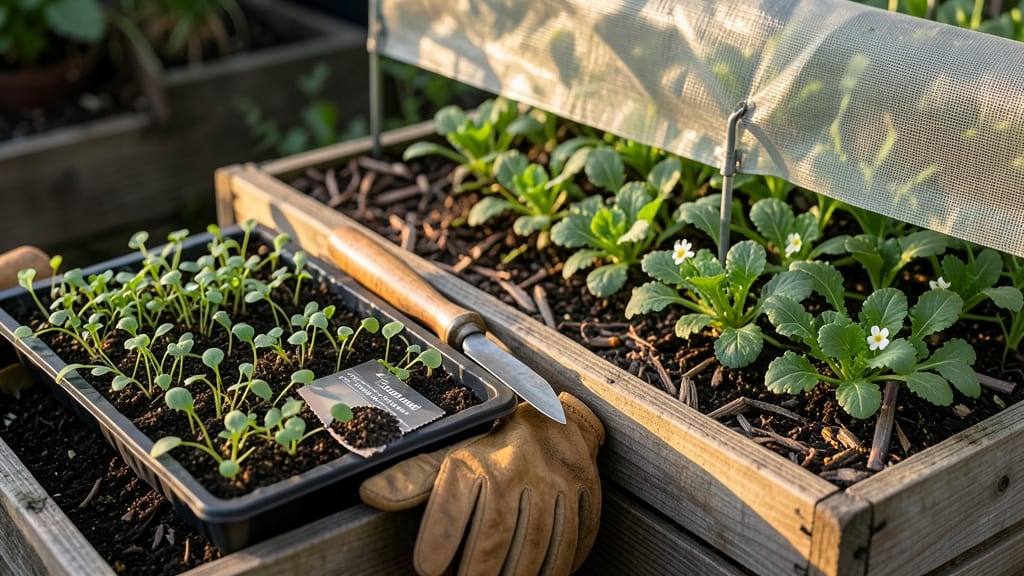
If you've ever planted arugula in Texas only to watch it bolt faster than a summer storm, you're not alone. The key to growing crisp, peppery greens year-round in our heat lies in timing—and getting it wrong means bitter leaves and wasted effort.
Texas gardeners know the struggle: September to October and February to March are your golden windows for planting 🌱 arugula, but even then, heat and humidity can turn your crop into a sad, bolted mess.
The secret? Choosing the right varieties and planting strategies that work with Texas' 8a-10b climate zones.
I've tested what works (and what doesn't) in my own Texas garden, and I'm about to share the exact months, heat-resistant varieties, and simple techniques that will give you bolt-free harvests from October to November and again in April to May.
Whether you're a seasoned gardener or just starting out, these insights will help you grow arugula that's as reliable as Texas sunshine—when you want it to be. Let's get those seeds in the ground the right way.
Best months to plant arugula in Texas for maximum yield
Arugula thrives in cool weather, making fall and early spring the ideal planting windows in Texas. Unlike northern states, Texas gardeners can extend harvests into winter months thanks to milder temperatures in USDA Zones 8a-10b.
The key is avoiding heat stress, which triggers bolting (flowering) and bitter flavors.
North Texas (e.g., Dallas, Fort Worth) has earlier frost dates than South Texas (e.g., San Antonio, Houston). This means September-October is prime for fall planting in North Texas, while South Texas gardeners can push planting to October-November for winter harvests.
Always check your local frost dates—aim to plant 4-6 weeks before the first frost.
Spring planting in Texas works best from February-March, when soil temperatures drop below 75°F. By late March, daytime heat becomes too intense, forcing arugula to bolt within 2-3 weeks. For urban gardeners, microclimates matter: rooftop gardens or shaded patios may stay cooler longer, allowing slightly later plantings.
Here’s how Texas climate zones break down for arugula success:
For succession planting, sow new seeds every 2-3 weeks during fall and spring to maintain a continuous harvest. In North Texas, you can even squeeze in a late-summer planting (early August) if you provide 50% shade cloth and water deeply twice daily.
South Texas gardeners should focus on fall and winter plantings, as spring heat arrives earlier.
Soil temperature is just as critical as air temperature. Arugula grows best when soil stays between 45°F-65°F. Use a soil thermometer to monitor—if temps rise above 70°F, your arugula will bolt within days.
In raised beds, soil cools faster, giving you a 2-week extension for fall plantings compared to in-ground gardens.
Pro tip: Container gardening works well for Texas gardeners. Five-gallon buckets with well-draining potting mix can be moved to shaded patios in summer, then placed in full sun for fall/winter. This flexibility lets you plant year-round with the right variety and care.
Don’t forget to harden off seedlings before transplanting. Texas’ unpredictable weather can shock tender arugula plants. Start hardening 7-10 days before moving outdoors by exposing seedlings to 2-3 hours of afternoon shade daily, then gradually increase exposure.
If you’re in a coastal Texas area (e.g., Galveston, Corpus Christi), humidity can promote fungal diseases. Space plants 6-8 inches apart and avoid overhead watering to keep leaves dry. For inland areas, mulching with straw retains moisture and regulates soil temperature—critical for preventing bolting during warm fall days.
Timing your arugula plantings to match Texas’ cool seasons ensures sweet, peppery leaves instead of bitter, bolted greens. With these region-specific windows, you’ll enjoy fresh arugula from October through April, even in the Lone Star State’s unpredictable climate.
Best months to plant arugula in Texas for maximum yield
Arugula thrives in Texas's cooler months, but timing is everything to avoid the dreaded bolting (when it shoots up and tastes bitter). The ideal window for planting is September to October for fall harvests, and February to March for spring.
These months align with Texas's USDA Zones 8a-10b, where temperatures stay mild enough to prevent early bolting.
Texas's climate varies wildly from North Texas (like Dallas) to South Texas (like San Antonio). In North Texas, where first frosts hit around January 15, aim to plant 4-6 weeks before frost—so late September to early October.
In South Texas, with later frosts (around February 15), you can push planting to November for a winter harvest.
| Season | Planting Months | Harvest Window | Texas-Specific Notes |
|---|---|---|---|
| Fall | September-October | October-November | North TX: Plant by Oct 15; South TX: Extend to Nov 1 |
| Spring | February-March | April-May | Avoid planting after March 15; use shade cloth if early heat arrives |
| Winter | December-January | January-February | Use row covers for frost protection in North TX; South TX can grow year-round with care |
Urban gardeners in Texas cities (like Austin or Houston) face microclimates with higher heat retention. If your yard gets hotter than 85°F, opt for shade cloth or container gardening with morning sun. Even a 30% shade cloth can buy you 2-3 extra weeks of harvest before bolting kicks in.
For succession planting, sow new seeds every 2 weeks in fall to keep a steady supply. In North Texas, your last chance for a fall crop is around November 1, while South Texas can push it to December 15.
Always check your local frost dates—the Texas A&M AgriLife Extension has free frost maps for precise timing.
Pro tip: If you're in Zone 10b (like the Rio Grande Valley), you can grow arugula year-round with drip irrigation and afternoon shade. Just avoid planting during peak summer heat (June-August), when even heat-tolerant varieties struggle. Even 'Astro' arugula bolts within 3 weeks if soil temps exceed 80°F.
Remember, soil temperature matters more than air temperature. Use a soil thermometer to ensure seeds get planted in 60-70°F soil. If your soil runs hotter, wait until evening to plant or use black plastic mulch to cool the roots.
With these adjustments, you’ll enjoy crisp, peppery arugula straight from your Texas garden—no bitter surprises! 🌱