
Plants
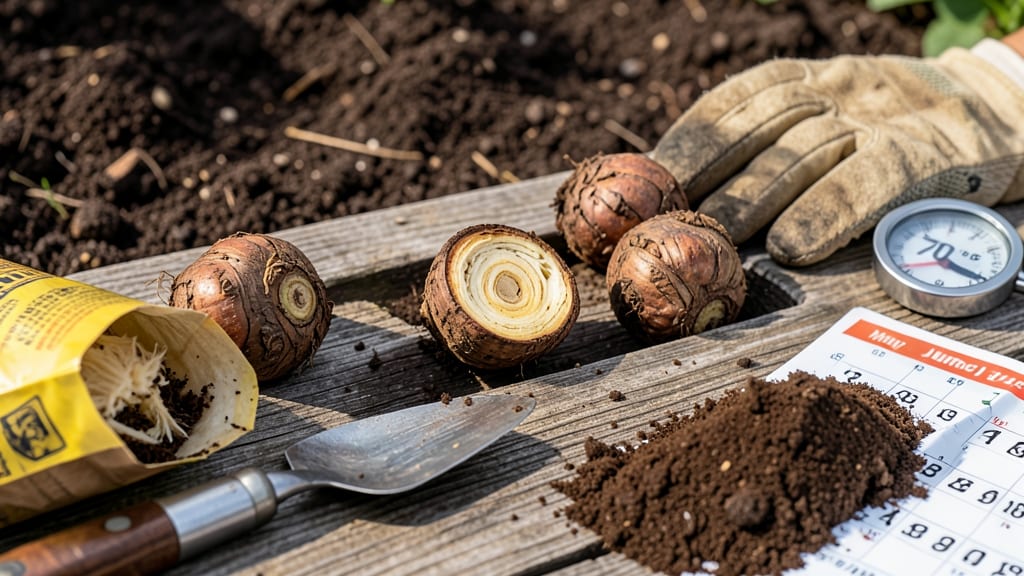
Timing your dahlia planting in Washington State isn’t just about waiting for spring—it’s about catching that sweet spot when the soil warms enough to fuel those 🌸 tubers into explosive growth. Skip the guesswork, and you’ll miss out on months of vibrant blooms that turn heads from Seattle to Spokane.
Most gardeners in zones 7b-9a (like Western WA) can start planting after the last frost—usually late April to early June—but soil temperature is the real game-changer. Cold soil slows roots, leaving your dahlias struggling to thrive. Here’s how to nail the perfect window without overcomplicating it.
Washington’s microclimates add another layer: Puget Sound’s milder coastal air lets you plant earlier, while Eastern WA’s cooler springs demand patience.
We’ll break down exactly when to dig in, how to test soil warmth, and even how to cheat the system for later blooms if you’re eager to extend the season.
Whether you’re a first-time gardener or a seasoned pro, these insights will help you transform your dahlias from hopeful tubers into showstopping garden stars—without the trial and error. Let’s get those roots growing the right way.
Best planting timeline for dahlias in Washington State by zone
Washington State’s USDA Zones 6b-9a create a unique challenge for dahlias—cool, wet springs can delay planting, while short growing seasons demand early starts. The key? Planting when soil temperatures hit 60°F+, not just after the last frost.
In Western WA (Zones 7b-9a), this typically means late April to early May, while Eastern WA (Zones 5b-7a) gardeners may wait until mid-May to early June.
Timing isn’t just about dates—it’s about microclimates. The Puget Sound region often warms faster than inland areas like Spokane or Wenatchee, where cold air pools. Use local frost data (check Almanac.com) and adjust for your specific zone to avoid frost damage to tender tubers.
Here’s how to align your planting with Washington’s variable climate, broken down by zone and month:
For Puget Sound gardeners, early planting in late April is safe if you use row covers or greenhouse starts.
In Eastern WA, waiting until mid-May reduces frost risk but shortens the bloom season. Pro tip: Pre-warm soil with black plastic mulch 1-2 weeks before planting to hit that 60°F threshold faster.
If you’re in Zone 8-9 (Western WA), you can push dahlias into July plantings for late-season blooms, but prioritize dwarf varieties like ‘Mignon’ to avoid flopping in windy coastal areas. Eastern WA gardeners should focus on early varieties like ‘Bishop’ or ‘Thomas Edison’ to maximize bloom time before frost.
Remember: Dahlias need 90-120 days to mature from tuber to bloom. Planting too late in Eastern WA (after June 1) risks blooms appearing just before frost. Use this timeline to map your variety to your zone—tall 6-foot varieties need the full season, while dwarf types can handle shorter windows.
For container gardeners, extend the season by planting in large pots (18"+ diameter) and moving them to protected spots at night. Black containers absorb heat better than white, giving tubers a 2-3°F warmer start. Just ensure pots have drainage holes to prevent root rot from Washington’s frequent rain.
Finally, mark your calendar for first frost dates: October 15-November 15
How to check soil temperature for dahlias (with exact numbers)
Dahlias are finicky about soil warmth. Planting too early in chilly Washington soil stunts root growth, leaving your tubers vulnerable to rot. The golden rule? Wait until the soil hits a consistent 60°F (15.5°C) at least 6 inches deep. This threshold ensures strong, vigorous roots before summer’s heat arrives.
Use a soil thermometer (not air temperature!) to test. Stick it into the ground where you’ll plant, about 6 inches down. Check it on a warm afternoon—morning temps can be misleading.
If the reading’s below 60°F, hold off for another week or two. Patience now means bigger blooms later.
Here’s a pro tip: Black plastic mulch can warm soil by 5-10°F faster than bare ground. Lay it down 1-2 weeks before planting to jumpstart your dahlias in cooler zones like Eastern Washington. Just remove it once tubers are in the ground to avoid overheating.
⚠️ Common Mistake: Planting by Calendar, Not Soil Temp
Many gardeners in Western WA (Zone 7-8) plant dahlias in early May, only to see slow growth or rot. Soil temperature matters more than dates! A 50°F soil in April might feel warm to touch but is still too cold for tubers. Always test—don’t guess.
🌱 Signs you planted too soon: Yellowing leaves, soft stems, or tubers that feel mushy when dug up.
Adjust planting depth based on soil warmth. In cooler microclimates (like the Cascade foothills), bury tubers 6 inches deep to protect them from temperature swings. In warmer areas (Puget Sound), a 4-inch depth works—shallower soil warms up faster, giving roots a head start.
If you’re in a high-elevation garden (e.g., Leavenworth), aim for 65°F soil to compensate for cooler nights. Use a row cover or cold frame for the first 2 weeks post-planting to add extra warmth.
This trick extends your growing season by 3-4 weeks, giving you more time to enjoy those showstopping dahlias.
Once your soil hits 60°F+, act fast! Dahlias grow quickly once roots establish. Water deeply after planting to settle the soil around tubers, then mulch with straw or shredded leaves to maintain that warmth. Avoid synthetic mulches—they can overheat soil and stress your plants.