
Plants
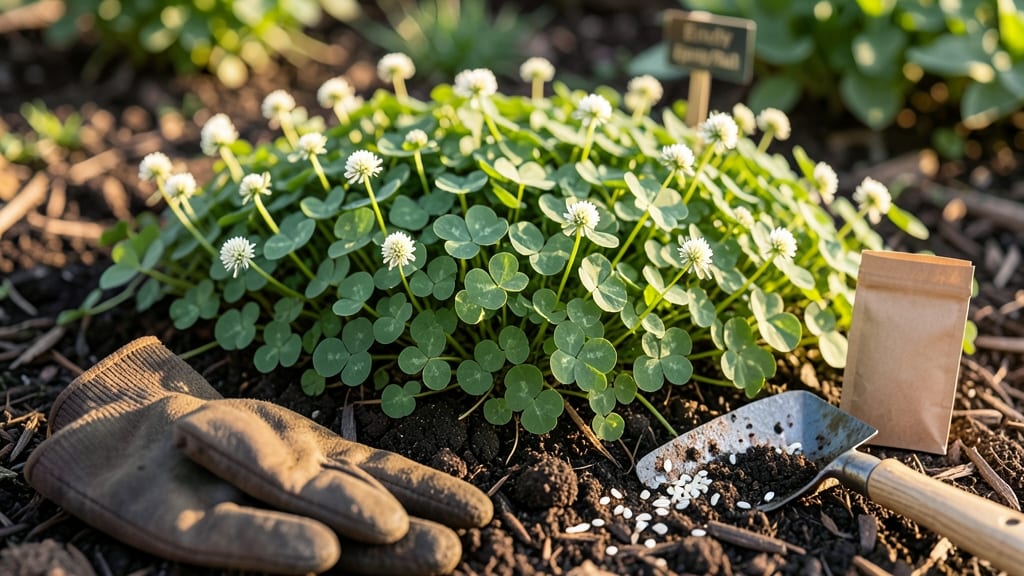
If you're wondering when to plant clover in Massachusetts, timing is everything—especially in USDA Zone 5B where frost can sneak up faster than you think. 🌱 The difference between a lush, nitrogen-rich lawn and a patchy disappointment often comes down to those 4-6 weeks before or after your last frost date.
Most Massachusetts gardeners swear by early spring planting—think March to April—when soil temperatures finally warm enough for seeds to sprout. But don’t overlook fall as a second chance: September to October gives clover a head start before winter sets in.
Whether you're seeding for a cover crop or a green lawn, these windows are your golden tickets.
Here’s the kicker: coastal areas like Boston might have slightly different frost dates than inland spots, so local adjustments matter. We’ll break down exactly how to sync your planting with Massachusetts’ microclimates—plus the soil prep tricks that make all the difference.
Ready to transform your yard? Let’s dive into the best planting schedules, variety tips, and pro moves to ensure your clover thrives from day one.
Optimal planting windows for clover in Massachusetts by season
Massachusetts' USDA Zone 5B climate creates two ideal windows for planting clover: early spring and early fall. These periods align with soil temperatures between 50°F and 70°F, perfect for germination.
For Boston and coastal areas, aim for March 15 to April 15 in spring, while Western MA gardeners can start slightly earlier, around March 1 to April 10.
Fall planting offers a second chance for success. Seed 4 to 6 weeks before first frost—typically September 1 to September 30—to allow roots to establish before winter. This method reduces weed competition and ensures a thicker, healthier clover stand the following spring.
Timing matters because clover seeds need consistent moisture and warmth to sprout. Planting too early risks frost damage, while late planting may leave your lawn vulnerable to weeds. Always check the Massachusetts Horticultural Society's frost date maps for your specific region before seeding.
🌱
📅 Clover Planting Timeline for Massachusetts
| Season | Ideal Planting Window | Soil Temp Requirement | Key Considerations |
|---|---|---|---|
| Spring | March 15 - April 15 | 50°F - 70°F | Avoid frost; prepare soil in February |
| Fall | September 1 - September 30 | 55°F - 65°F | Plant 4-6 weeks before first frost |
| Regional Adjustments | Boston: Later dates | N/A | Cooler microclimates delay planting by 1-2 weeks |
For white clover, which thrives in drought-prone areas, prioritize spring planting. This variety establishes quickly and tolerates partial shade, making it ideal for lawn overseeding in late spring. Meanwhile, red clover—faster-growing but shorter-lived—benefits from both spring and fall plantings to maximize its nitrogen-fixing benefits.
Micro clover, a newer variety gaining popularity, adapts well to shadier lawns and can be planted as late as May 1 in Massachusetts. Its fine texture makes it perfect for high-traffic areas where traditional grass struggles.
Always test your soil's pH level (6.0-7.0) before planting, as clover prefers slightly acidic to neutral conditions.
Pro tip: Use a seed spreader for even coverage, especially in large lawns. Aim for 1/2 to 1 pound of seed per 1,000 sq ft, depending on your clover variety. Lightly rake the soil afterward to ensure good seed-to-soil contact, which is critical for germination.
If you're planting clover as a cover crop, consider mixing it with ryegrass for early establishment. This combo provides immediate ground cover while clover works to improve soil health. For lawns, overseed in late spring when existing grass is actively growing but before summer heat sets in.
🌿
How soil and climate affect clover growth timing in MA
Massachusetts’ variable microclimates and soil types can shift your clover planting window by weeks—especially when comparing coastal Boston to inland Western MA. Coastal areas stay warmer longer in spring, while inland regions face earlier frosts.
This means your ideal planting date might be March 15th in Providence but April 1st in Worcester.
Your soil drainage is just as critical as timing. Clover hates waterlogged conditions but also struggles in compacted clay. Test your soil 4-6 weeks before planting—aim for a pH between 6.0 and 7.5. Sandy soils dry out faster, so adjust your watering schedule accordingly.
A simple percolation test (dig a 12-inch hole, fill with water, and time drainage) will reveal if your soil needs amendments like compost or sand.
Planting too early in cold, wet springs (like 2022’s late frost) can smother seeds. Wait until soil temps hit 50°F (10°C) at 2 inches deep—use a soil thermometer for accuracy. Coastal areas often hit this 2-3 weeks earlier than inland zones.
✅ Pro Tip: Mix seeds with sand to prevent clumping in heavy soils, and use a starter fertilizer (low nitrogen) to encourage root growth before cooler weather sets in.
Don’t overlook shade patterns—even in full-sun areas. Trees drop leaves later in Western MA (October) than in Cape Cod (November), altering light exposure. If planting near deciduous trees, aim for early spring to maximize sunlight before canopy closure.
For micro clover, partial shade (3-4 hours of sun) works, but growth will be slower.
Your watering routine must adapt to seasonal rainfall. Eastern MA gets 12 inches more rain annually than Western MA, meaning inland gardeners need to water 20% more frequently during dry spells.
Use a rain gauge to track moisture—clover needs 1 inch of water weekly during establishment but becomes drought-tolerant after 2 years.
Finally, wind exposure matters. Open fields (like those in Hampden County) dry out faster, while sheltered yards retain moisture longer. If your site is windy, plant on a windward slope or use mulch to lock in moisture. A 2-inch layer of straw mulch reduces evaporation by 30%.
For regional adjustments, check the UMass Extension Service’s frost maps—they update annually. Coastal areas like Barnstable can plant 2 weeks earlier than Franklin County, where frosts linger. Always plant 4-6 weeks before your first frost date for fall success.