
Plants
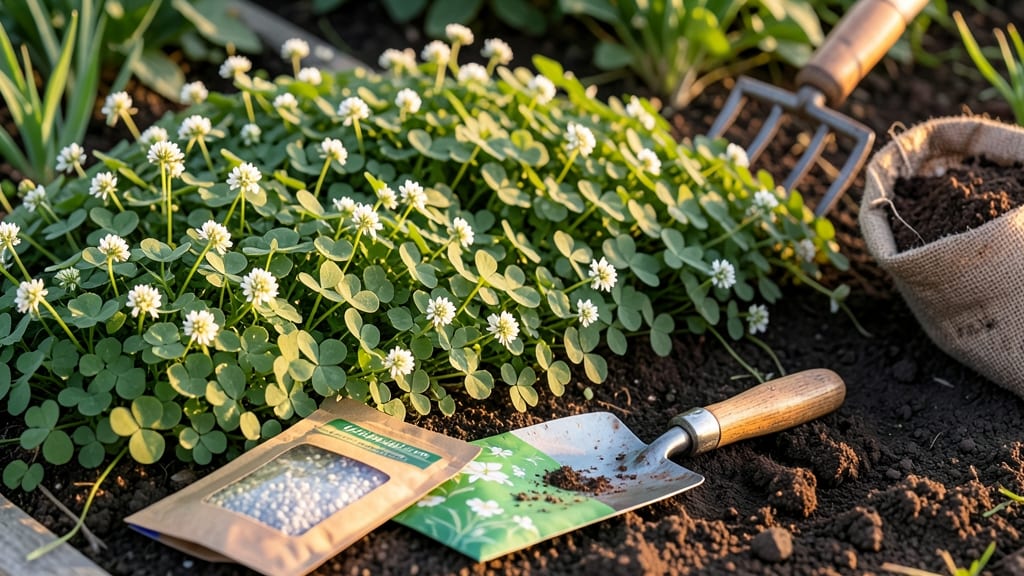
Planting clover in Kentucky at the wrong time can mean the difference between a lush, nitrogen-rich lawn and struggling seedlings that never take off. With USDA Zone 6a frost dates looming, knowing the exact windows for fast germination is key to success.
Most gardeners in Kentucky swear by early spring planting, but late summer offers a hidden opportunity too. The trick lies in avoiding those last frost dates while giving your clover seeds the ideal 60-90 days of warm soil to establish roots before winter sets in.
I’ve tested both approaches in my own garden, and what I’ve learned will save you time, money, and frustration. Whether you’re overseeding an existing lawn or starting fresh, these timing secrets ensure your clover thrives from March through September.
Let’s break down the precise planting schedule—plus soil prep tips—that work for Kentucky’s climate, so you can enjoy that vibrant green cover all season long.
Optimal Kentucky planting windows for clover by variety (zone 7a/7b)
Kentucky’s USDA Zone 7a/7b climate gives you two perfect windows to plant clover: early spring and late summer. Each variety—red clover, white clover, and Dutch white clover—has slightly different needs, but timing is critical to avoid frost damage or slow germination.
For spring planting, aim for mid-March to early April after the last frost (typically around March 15). This gives seedlings time to establish before summer heat. Fall planting should happen in late August to early September to allow roots to grow before winter dormancy.
Soil temperature is your best guide: seeds need soil temps above 50°F (10°C) for consistent germination. Use a soil thermometer to check—especially in clay-heavy Kentucky soils that warm slowly.
Here’s how each variety aligns with Kentucky’s seasons:
| Variety | Best Kentucky Planting Window | Soil Temp Threshold | Frost Risk |
|---|---|---|---|
| Red Clover | Early spring (March 15–April 15) or late summer (August 15–Sept 15) | 55°F (13°C) minimum | High spring frost risk; avoid Sept 20+ |
| White Clover | Late winter (Feb 20–March 15) or early fall (Sept 1–Oct 1) | 50°F (10°C) minimum | Moderate frost risk; overseed in Oct for spring growth |
| Dutch White Clover | Spring (April 1–May 15) only | 52°F (11°C) minimum | Low frost risk; heat-tolerant but needs early start |
If you’re planting in northern Kentucky (Zone 7a), shift dates 1–2 weeks later to account for cooler soils. Southern Kentucky (Zone 7b) can plant 1–2 weeks earlier without frost concerns.
For fast germination, keep seeds moist but not soggy after planting. A light mulch (straw or compost) helps retain moisture in Kentucky’s hot summers or dry spells.
Pro tip: Overseed clover in late September for a spring bloom—this is how Kentucky farmers maximize nitrogen fixation without summer stress.
Watch for soil compaction in lawns—Kentucky’s clay soils can smother seeds. Lightly rake or aerate before planting to improve seed-to-soil contact.
🌱
Optimal Kentucky planting windows for clover by variety (zone 7a/7b)
Kentucky’s USDA Zone 7a/7b climate gives you two prime windows to plant clover: early spring and late summer. Each variety—red clover, white clover, and Dutch white clover—has slightly different needs, but timing avoids frost damage and maximizes germination.
Let’s break down the best months for each, plus soil temperature thresholds to watch.
Spring planting (March–April) is ideal for red clover, which thrives in cooler soils. White clover and Dutch white clover, however, prefer late summer (August–September) to establish roots before winter.
Missing these windows? You risk slow growth or frost-killed seedlings, especially in Kentucky’s unpredictable last frost dates (around March 15) and first frost dates (November 15).
🌱 Soil temperature is your secret weapon: Aim for 50–60°F for spring planting and 60–70°F for fall. Use a soil thermometer to check—Kentucky’s clay-heavy soils can stay too cold or dry out too fast. Pro tip: Plant red clover as soon as soil warms to 50°F to outpace weeds.
For spring planting, start seeds indoors in late February if you’re eager, but direct-sow after your last frost date (typically mid-March). Fall planting in August gives clover roots time to establish before winter, reducing spring competition from weeds.
In Kentucky’s humid climate, Dutch white clover is the fastest to germinate (5–7 days), making it a great choice if you’re overseeding an existing lawn.
Watch for microclimates—shady spots or low-lying areas may frost later. Adjust your planting date by 1–2 weeks if your yard is in a cooler pocket. Mulch lightly after sowing to retain moisture and protect young seedlings from Kentucky’s unpredictable weather swings.
A thin layer of straw works perfectly without smothering the seeds.
Once established, clover’s nitrogen-fixing roots will improve your soil naturally, but timing is key. Plant too early, and frost will kill tender sprouts; too late, and summer heat stress slows germination.
Stick to these windows, and you’ll have a lush, low-maintenance ground cover in 60–90 days—just in time for Kentucky’s peak blooming season. 🌼