
Plants
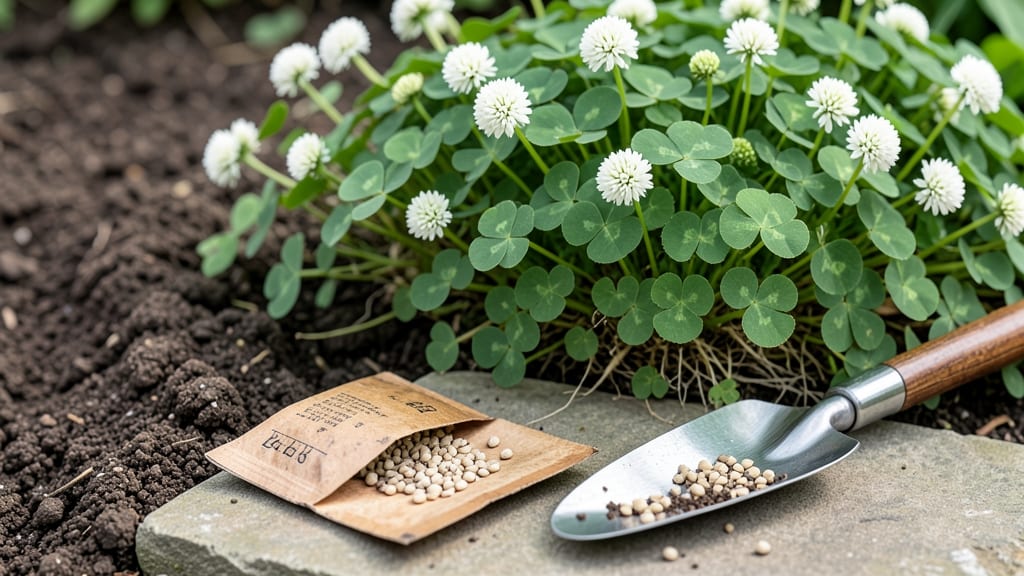
If you're dreaming of a lush, green lawn in Louisiana, timing your clover planting is the game-changer—get it right, and you’ll have a thriving cover by spring.
The key isn’t just throwing seeds into the ground; it’s understanding when to plant 🌱 clover for fast, weed-free establishment in zones 8a-9b.
Louisiana’s humid climate means clover can grow year-round, but the fastest results come from planting in early spring (February–March) or fall (September–October). These windows avoid extreme heat and heavy rains, giving your clover the best shot at taking root before summer’s intensity or winter’s chill.
Why does timing matter so much? Plant too early, and you’ll battle weeds; too late, and your clover might struggle to establish before the next season. I’ll break down the science-backed approach to choosing the perfect window for your yard, whether you’re in New Orleans or Shreveport.
Ready to transform your lawn into a nitrogen-rich haven? Let’s dive into the best planting strategies for Louisiana’s unique climate—so you can enjoy that vibrant green cover without the guesswork.
Best planting seasons for clover in Louisiana: spring vs fall breakdown
Louisiana’s humid subtropical climate creates a unique challenge for clover growers—too early, and you’ll face heat stress; too late, and winter frosts can stunt growth.
The two optimal windows are early spring (February–March) and fall (September–October), each with distinct advantages. Let’s break down which works best for your specific goals.
Spring planting gives clover a head start before summer’s intense heat, but Louisiana’s unpredictable spring rains can wash out seedlings. Fall planting, on the other hand, lets clover establish roots before winter dormancy, often resulting in thicker, more resilient growth by spring.
For most Louisiana gardeners, fall is the winner—but your location matters.
Northern Louisiana (USDA Zone 8a) has cooler winters, making late fall (October) ideal. Southern Louisiana (Zone 9b) can push planting to November, but avoid planting after the first frost, which typically hits mid-November.
Spring planting in the South should start by February to avoid summer heat stress.
Soil preparation is critical in both seasons. Louisiana’s clay-heavy soils need amending with compost or sand to improve drainage. Test your soil’s pH (6.0–7.0 is ideal) and adjust with lime if needed. A light raking to loosen the top inch of soil helps seeds make contact with moisture.
Microclimates play a huge role. Shady spots under trees may delay germination, while sunny areas can dry out too quickly. If you’re planting in partial shade, focus on fall planting for slower, steadier growth.
For full sun, both seasons work—but fall still edges out spring due to cooler temps.
Here’s how the two seasons compare at a glance:
| Factor | Spring Planting (Feb–Mar) | Fall Planting (Sep–Oct) |
|---|---|---|
| Best For | Fast summer coverage | Winter hardiness, thick roots |
| Germination Speed | Moderate (warmer soil) | Slower (cooler soil) |
| Rain Risk | High (March–May rains) | Moderate (Sept–Oct showers) |
| Weed Competition | High (spring weeds) | Low (fall weeds die off) |
| Establishment Time | 6–8 weeks | 8–10 weeks |
| Best Variety | White Dutch clover | Microclover or red clover |
For lawns and soil improvement, I recommend fall planting—it builds a stronger root system before winter and outcompetes weeds in spring.
If you’re growing clover for hay or grazing, spring planting can give you an earlier harvest, but you’ll need to monitor moisture closely during Louisiana’s hot, dry summers.
Pro tip: If you’re unsure, plant both spring and fall in different sections of your yard. This diversifies your clover’s growth cycle and reduces the risk of total failure from weather surprises.
Just be sure to mark your planting areas to track which season performs best in your specific microclimate.
One common mistake Louisiana gardeners make is planting too late in spring. By April, the heat and humidity can stress seedlings before they establish. If you miss fall, January planting is your last chance—but expect slower growth until spring.
Remember, clover is a perennial in Louisiana’s climate, meaning it’ll regrow yearly if properly established. The first year’s planting sets the stage for decades of nitrogen-rich soil—so choose your season wisely!
Best planting seasons for clover in Louisiana: spring vs fall breakdown
Louisiana’s humid subtropical climate (USDA Zones 8a-9b) creates two prime windows for planting clover: early spring and fall. Both seasons offer distinct advantages, but fall often wins for establishment due to cooler temps and consistent rainfall.
Let’s break down the key differences and regional nuances for North vs. South Louisiana.
Spring planting (February–March) aligns with Louisiana’s last frost date (mid-March), giving clover a head start before summer heat. However, spring seeds face competition from weeds and require frequent irrigation during dry spells. Fall planting (September–October) avoids summer stress and benefits from winter rains, reducing irrigation needs by 50%.
In North Louisiana (like Shreveport), cooler microclimates extend the fall window until November, while South Louisiana (New Orleans) favors earlier fall planting (August–September) to escape hurricane season. Both regions should avoid planting in peak summer (June–August) due to heat stress and fungal risks.
| Factor | Spring Planting (Feb–Mar) | Fall Planting (Sep–Oct) |
|---|---|---|
| Soil Temp | 55–65°F (ideal) | 60–75°F (optimal) |
| Rainfall | Variable (irrigate weekly) | Consistent (reduces watering) |
| Weed Competition | High (pre-emergent needed) | Low (cooler temps slow weeds) |
| Establishment Time | 6–8 weeks (summer stress risk) | 4–6 weeks (faster root growth) |
| Best For | Fast summer cover | Winter hardiness & soil health |
For fastest results, I recommend fall planting in Louisiana’s North and early fall in the South. Test soil pH (ideal: 6.0–7.0) before planting—clover struggles in acidic soils. Mix seeds with topsoil to a depth of ¼ inch and water lightly to avoid washouts during Louisiana’s heavy rains.
Pro tip: Use a seed starter fertilizer (low nitrogen) in spring to prevent leggy growth, but skip fertilization in fall to encourage root development before winter. Both seasons work, but fall gives clover a competitive edge against weeds and heat stress.
Remember, Louisiana’s hurricane season (June–November) can disrupt spring plantings. If you choose spring, monitor forecasts and delay planting until after May 15 to avoid storm damage. For most gardeners, September–October remains the safest bet.