
Plants
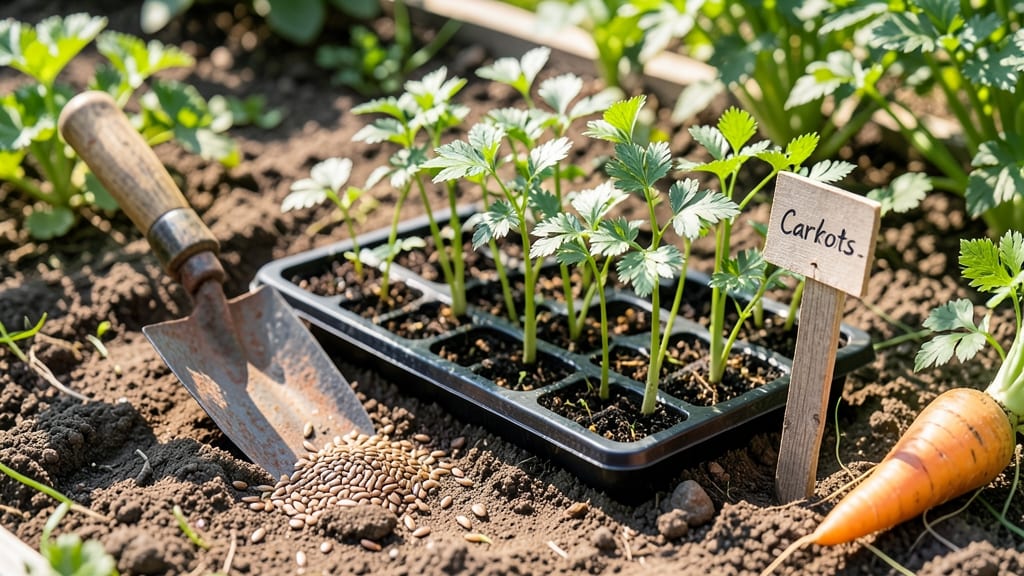
If you’ve ever pulled a bitter, stringy 🥕 from your Georgia garden, you know timing is everything—especially when it comes to planting carrots.
Georgia’s warm climate means you’ve got two prime windows to grow sweet, crisp roots, but get it wrong, and you’ll end up with bolted greens or tough, woody carrots.
The key to success lies in understanding Georgia’s USDA zones 7a-8b, where last frosts linger around March 1-15 and first frosts arrive by November 15. Plant too early, and frost will nip your seedlings; too late, and the heat will send your carrots bolting before you can harvest.
But with the right strategy—spring plantings in February-March and fall plantings in August-September—you can enjoy a continuous harvest from May through December.
I’ll break down the exact planting schedule, soil prep tips, and how to avoid common mistakes like overcrowding or poor drainage. Whether you’re a first-time gardener or a seasoned green thumb, these insights will help you grow the perfect 🥕—crisp, sweet, and ready to harvest just when you need them.
Ready to transform your garden into a carrot-growing powerhouse? Let’s dive into the best times to plant, how to extend your season, and the secrets to avoiding those frustrating gardening pitfalls.
Georgia’s best carrot planting calendar: spring vs fall timing for peak harvests
Carrots thrive in Georgia’s mild winters and warm springs, but getting the timing right is critical to avoid bolting (flowering) or frost damage. The Peach State’s USDA zones 7a-8b offer two prime planting windows: early spring and late summer/fall.
Miss these windows, and you’ll end up with bitter, tough roots or wasted seeds.
Georgia’s last frost date varies by region—March 1-15 for most areas—but soil temperature is the real key. Carrot seeds need soil temps above 50°F to germinate. Plant too early, and they’ll rot; too late, and summer heat triggers bolting. Let’s break down the perfect planting schedule for your zone.
| Planting Window | Best Months (GA) | Soil Temp Requirement | Frost Risk | Harvest Window |
|---|---|---|---|---|
| Early Spring | February–March | 50°F+ (use cold frames if early) | Low (after last frost) | May–June |
| Late Spring | April (shade cloth needed) | 55°F+ (avoid heat stress) | None (summer heat risk) | June–July (smaller roots) |
| Fall | August–September | 60°F+ (ideal for germination) | Moderate (before first frost) | November–December |
For USDA Zone 7a (north GA), aim for February 15–March 15 in spring and August 15–September 15 in fall. In Zone 8b (south GA), you can push spring planting to March 15–April 1 and fall to September 15–October 1.
Use a soil thermometer to confirm temps—carrots won’t germinate below 50°F.
Pro tip: Succession plant every 2–3 weeks in spring/fall for continuous harvests. Sow half your seeds in the first window, then repeat until 6 weeks before first frost. This ensures you’re always pulling fresh carrots while avoiding overcrowding.
Georgia’s summer heat (above 85°F) is the biggest enemy of carrots. If you attempt a summer crop, use shade cloth (30–50%) and drip irrigation to keep soil moist. Varieties like ‘Danvers Half Long’ or ‘Nantes’ tolerate heat better than ‘Chantenay’, which bolts quickly.
Don’t forget: Loose, rocky-free soil is non-negotiable. Carrots need 12+ inches of depth to grow straight. Amend clay soil with compost or sand before planting. If your soil is heavy, consider raised beds for perfect roots.
For fall planting, focus on August–September to give carrots 70–80 days to mature before frost. Use row covers in October to extend the season. In Zone 8b, you might even squeeze in a winter harvest if you plant by October 1.
Here’s your action plan:
- Test soil 2 weeks before planting (aim for pH 6.0–7.0).
- Plant seeds ¼ inch deep, 1 inch apart in rows 12 inches apart.
- Thin seedlings to 2–3 inches apart when they’re 2 inches tall.
- Keep soil consistently moist (not soggy) to prevent forking.
Timing isn’t just about months—it’s about soil conditions and microclimates. In mountainous north GA, plant 2 weeks later than coastal areas. Use this guide as your roadmap, and you’ll enjoy sweet, crisp carrots from spring through fall. 🥕
How to extend your carrot growing season in Georgia’s heat
Georgia’s summer heat can turn your carrot patch into a bolting disaster if you’re not prepared. Carrots hate temperatures above 80°F, which triggers them to flower instead of growing sweet roots.
But with the right strategies, you can extend your growing season and enjoy fresh carrots well into fall—or even try a late-summer harvest with heat-tolerant varieties.
First, focus on soil moisture. Carrots need consistent watering to keep the soil cool and prevent bolting. Let the top 1 inch of soil dry between waterings, but never let it become bone-dry. Mulching with straw or shredded leaves helps retain moisture and insulates roots from extreme heat.
Next, consider shade cloth. A 30-50% shade cloth can lower soil temperatures by 10-15°F, creating a cooler microclimate for your carrots. Install it over your beds in late spring or early summer and remove it in fall when temperatures drop.
Just ensure the cloth doesn’t block too much light—carrots still need at least 6 hours of sun daily.
- 🌱 Plant heat-tolerant varieties like ‘Danvers’ or ‘Nantes’ in late summer (August-September).
- 💧 Water deeply in the morning to reduce evaporation and stress.
- 🌿 Use shade cloth (30-50%) during peak heat (June-August) to prevent bolting.
- 🌱 Succession plant every 2-3 weeks in fall for a staggered harvest.
- 🌡️ Avoid planting in soil above 80°F—wait for cooler evenings.
For a longer harvest window, try succession planting. Instead of sowing all your seeds at once, plant a new batch every 2-3 weeks from August through September.
This ensures a steady supply of baby carrots before the first frost. Choose short-day varieties like ‘Paris Market’ for faster harvests in warm weather.
Finally, don’t overlook soil preparation. Amend your beds with compost or aged manure before planting to improve drainage and fertility. Compacted soil leads to forked or stunted carrots, especially in heat.
Loosen the top 6 inches of soil and remove rocks to give roots room to grow straight and sweet.
With these tips, you can beat the heat and enjoy crisp, homegrown carrots well into Georgia’s fall—even when the mercury rises. Just remember: patience and consistency are key to avoiding bolting and maximizing your harvest! 🥕