
Plants
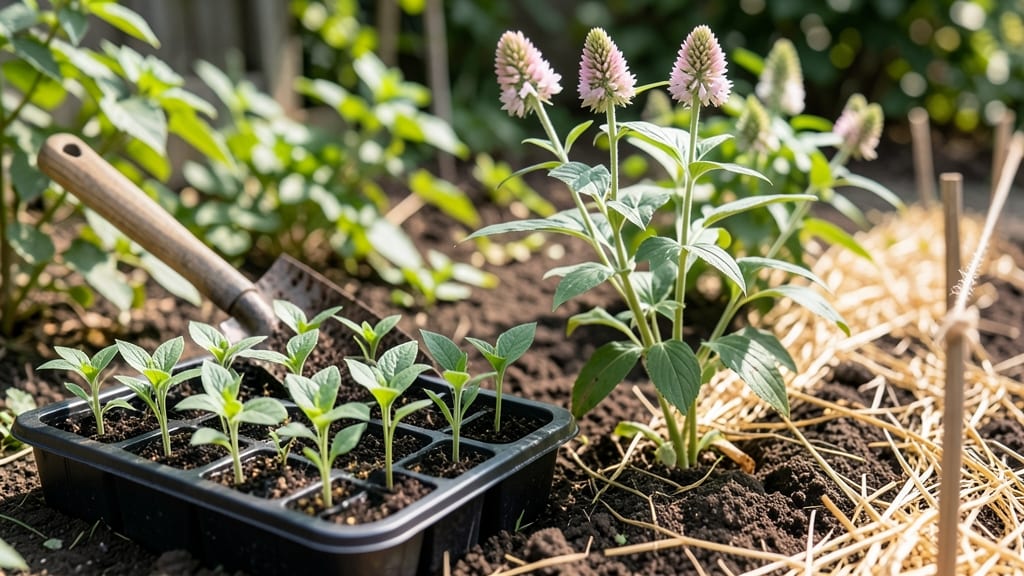
If you're looking to grow fast buckwheat, when to plant buckwheat in Georgia is the key to success—and getting it wrong could mean wasted effort. Unlike some crops, buckwheat thrives in Georgia's heat but needs precise planting windows to avoid stress from extreme temperatures or early frost.
Most gardeners in zones 7b-8a focus on spring and fall, but buckwheat's short 60-75 day growth cycle means you can actually plant twice a year. The ideal windows are late February through early April for spring and August through early September for fall, aligning perfectly with Georgia's climate.
Why does this matter? Planting too early risks heat stress, while waiting too long could mean frost cuts your crop short. I’ll break down the exact dates for summer and fall planting, plus how to adjust for Georgia’s microclimates—so you get the most from every seed.
Ready to grow buckwheat like a pro? Let’s dive into the fastest way to maximize yields and soil health in your Georgia garden.
Optimal buckwheat planting dates in Georgia by season (summer vs fall)
Buckwheat thrives in Georgia’s climate when planted during two key windows: late summer and early fall. These periods balance soil warmth, rainfall patterns, and frost risk to ensure strong germination and rapid growth.
For most of Georgia (USDA zones 7b-8a), the ideal planting months are August and early September, with a secondary window in June-July for summer cover crops.
Timing matters because buckwheat germinates best in soil temperatures between 60°F and 75°F. Planting too early (before July) risks heat stress during Georgia’s 90°F+ summers, while planting too late (after September) exposes crops to early frost before maturity.
Let’s break down the exact planting windows for both seasons, tailored to Georgia’s microclimates.
🌾
For summer planting (June-July), aim to sow seeds after the worst heat waves—typically by mid-June in most of Georgia. This gives seedlings time to establish roots before July’s peak temperatures (often 95°F+).
In South Georgia, where heat lingers longer, delay until early July to avoid seedling stress. Use drought-tolerant varieties like ‘Manchuria’ or ‘Pandora’ for better survival.
Fall planting (August-September) is the safest window for most Georgia gardeners. Start by August 1 in North Georgia (where frost arrives earlier) and extend to mid-September in South Georgia. The goal is to harvest before the average first frost (November 15). If you’re growing buckwheat for cover crop purposes (not grain), you can push planting to early October—just monitor weather forecasts for early cold snaps.
Pro tip: Check your local frost dates using the Georgia Climate Toolkit (extension.uga.edu). For example, Athens (Zone 8a) has a first frost around November 5, while Savannah (Zone 8b) may wait until November 15. Adjust your planting 2–3 weeks before your area’s frost date to ensure maturity.
One common mistake is assuming “earlier is better” for fall planting. While cooler temps help germination, overly warm soils in late summer can still stress seedlings. Test soil temps with a soil thermometer—aim for 65°F–70°F at a 1-inch depth before sowing.
If temps exceed 80°F, wait 1–2 weeks or use shade cloth to protect young plants.
💧
Beyond dates, watering strategy directly impacts success. Buckwheat needs consistent moisture during germination but drought tolerance once established. In Georgia’s humid summers, rely on natural rainfall after planting, but supplement with 1 inch of water per week during dry spells.
For fall plantings, reduce watering as temps drop—overwatering before frost can weaken plants. Always water early in the morning to prevent fungal issues like powdery mildew, which thrives in Georgia’s damp air.
Finally, consider buckwheat’s dual purpose: as a cover crop (to suppress weeds and improve soil) or for grain harvest. If growing for grain, plant earlier in the season (June or August) to maximize seed production.
For cover crop use, you can plant later (even September) and till under before frost—this adds organic matter and reduces erosion in Georgia’s heavy clay soils.
Optimal buckwheat planting dates in Georgia by season (summer vs fall)
Georgia’s climate creates two prime windows for planting buckwheat: late summer and early fall. These timing strategies maximize growth before the first frost hits around November 15, ensuring your cover crop thrives for soil health or grain production.
Let’s break down the exact months and conditions for each season.
For summer planting, aim for June 15–July 15 in North Georgia (Zones 7b-8a). This gives buckwheat 60–75 days to mature before temperatures drop. In South Georgia’s hotter zones, push planting to July 1–July 31 to avoid heat stress during germination.
| Season | Planting Window | Soil Temp (°F) | Key Notes |
|---|---|---|---|
| Summer | June 15–July 15 (North GA) July 1–July 31 (South GA) |
60–75°F | Avoid planting after July 20 in North GA to prevent frost risk. |
| Fall | August 1–September 15 | 55–65°F | Seed germination slows below 50°F; aim for September 1 latest. |
Fall planting offers the best success rate in Georgia, with August 1–September 15 as the ideal window. Buckwheat tolerates cooler temperatures better than many cover crops, making it perfect for late-season soil improvement. Just ensure soil temperatures stay above 50°F for germination.
Pro tip: Use a soil thermometer to verify conditions. If temperatures dip below 50°F before planting, wait 1–2 weeks. In South Georgia’s Zone 8a, you can extend fall planting to September 20 with minimal frost risk.
For grain production, prioritize August planting to harvest seeds before the first frost. If growing buckwheat as a cover crop, fall planting in late August ensures it establishes roots before winter, suppressing weeds and enriching soil.
Remember: Buckwheat grows fast—60–75 days—so timing is critical. Miss the window, and you’ll either face stunted growth or frost damage. Stick to these dates, and you’ll reap the benefits of healthier soil or a bountiful grain harvest.