
Plants
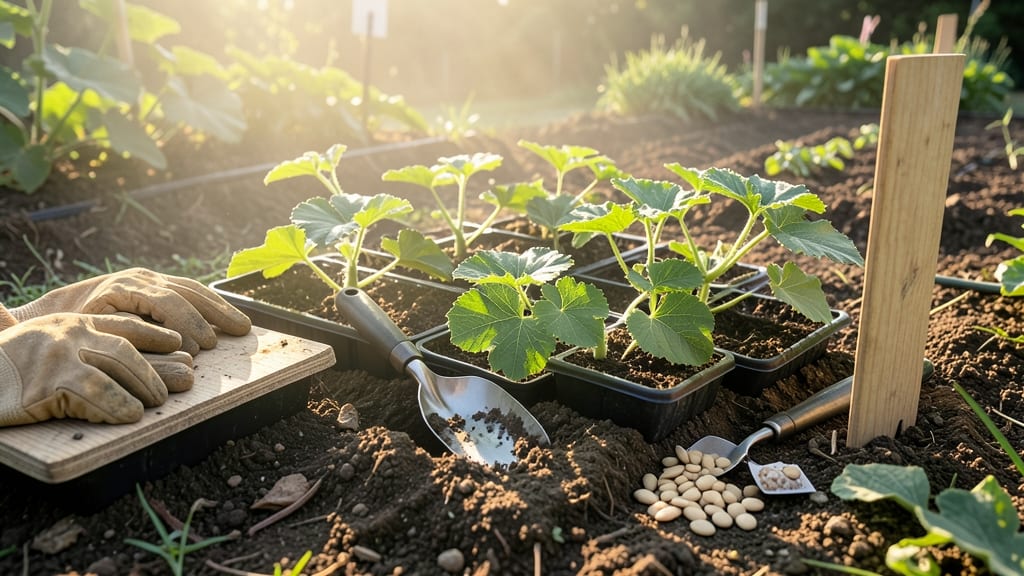
Timing your cantaloupe planting in Zone 6 can mean the difference between a thriving 🍈 harvest and wasted seeds. The key isn't just waiting for last frost—it's ensuring soil temperatures hit 70°F before those delicate seeds even think about sprouting.
Most gardeners in Zone 6 (General) rush to plant too early, only to watch their cantaloupes wilt when nighttime temperatures dip. I've learned the hard way that patience pays off—waiting until mid-May to early June gives your vines the warm, stable conditions they crave.
What you'll discover here are the exact soil temperature tricks that work in our unpredictable climate. From black plastic mulch hacks to choosing the fastest-maturing varieties, these methods help you beat Zone 6's short growing season.
Ready to turn your cantaloupe dreams into reality? Let's dive into the science-backed timing that actually works for our region—no more guesswork, just guaranteed growth.
Ideal planting timeline for cantaloupe in Zone 6: soil temperature rules
Zone 6’s short growing season (only 165 frost-free days) demands precision when planting cantaloupe. The key isn’t just avoiding frost—it’s hitting soil temperatures of at least 50°F for germination and 70°F+ for vigorous growth.
In most Zone 6 areas, this window opens mid-May to early June, but your exact timing depends on microclimates like urban heat islands or protected south-facing slopes.
For example, Chicago’s last frost averages May 15, while Pittsburgh’s is May 20.
However, soil warms slower than air—even after frost risk passes, you’ll need to test soil temps with a thermometer or wait for leafy spurge (a weed) to emerge as a natural indicator of 55°F+ soil. Planting too early risks rotten seeds or leggy, weak vines.
Here’s the critical timeline for Zone 6 cantaloupe success:
| Stage | Zone 6 Timeline | Soil Temp Requirement | Action |
|---|---|---|---|
| Prep Soil | Early April | 50°F+ | Add compost, avoid tilling when wet |
| Start Indoors (Optional) | Late April | 65°F+ | Sow seeds 2 weeks before last frost |
| Direct Sow | Mid-May to Early June | 70°F+ | Plant after soil hits 70°F, 1" deep |
| Transplant Seedlings | Late May | 60°F+ | Hardy seedlings only, after night temps stay above 50°F |
| Harvest Window | July–September | N/A | Pick when rind turns tan and stem slips |
Pro tip: Use a soil thermometer to confirm readiness—70°F soil is non-negotiable for cantaloupe. If your soil is still cool in June, black plastic mulch can raise temps by 5–10°F in just days.
I’ve seen gardeners in northern Zone 6 (like Madison, WI) use this trick to shave 2 weeks off their season.
Another critical factor is nighttime temperatures. Cantaloupe vines won’t set fruit if nights dip below 60°F for more than a few days. This is why late May plantings often outperform early June ones—by then, the risk of 50°F nights has passed.
Keep an eye on your local weather forecasts for 5-day highs/lows to time your planting perfectly.
For direct-sown seeds, aim for May 20–June 1 in most of Zone 6. If you’re starting seedlings indoors, begin them 4–6 weeks before your last frost (so April 15–20 for most areas).
Just remember: transplant shock is a real risk, so only move hardened-off seedlings outdoors when soil is consistently above 60°F.
One common mistake I see is planting too close to the last frost date. Even if the air feels warm, cold soil will delay germination by weeks.
Test your soil’s readiness by pressing your finger into it—if it feels like warm mashed potatoes, it’s ready. If it’s still
Ideal planting timeline for cantaloupe in Zone 6: soil temperature rules
Zone 6’s short growing season means timing is everything for cantaloupe success. These warm-season plants need soil temperatures of at least 70°F (21°C) to thrive, but they’ll germinate in 50°F (10°C) soil—though growth will be sluggish.
The key is planting after your average last frost date, which typically falls between May 10–20 in most of Zone 6, but can vary by 1–2 weeks depending on your exact location.
Use a soil thermometer to confirm readiness—waiting for that 70°F mark ensures vigorous vines and fruit development. In cooler sub-regions like northern Illinois or upstate New York, you may need to push planting to late May or early June to avoid frost damage.
Meanwhile, areas like western Pennsylvania or Virginia can often plant by mid-May.
| Stage | Action | Zone 6 Timeline |
|---|---|---|
| Soil Prep | Amend with compost, ensure drainage | April 15–May 1 |
| Direct Sow | Plant seeds 1" deep, 3–4" apart | After May 15 (soil ≥70°F) |
| Transplant | Move seedlings 24" apart in hills | June 1–15 (if started indoors) |
| Harvest | Pick when rind turns tan and stem dries | July–September |
For direct sowing, aim for mid-May to early June—this gives cantaloupes enough time to mature before Zone 6’s first frost, typically around mid-October.
If you start seeds indoors 3–4 weeks before your last frost date, you can transplant seedlings outdoors once soil warms up, giving them a 2-week head start on growth.
Pro tip: Check your local frost probability maps (like the National Weather Service’s) for 90% frost-free dates—this is your safest planting window. In Zone 6a (colder sub-zones), you might only get 120–140 frost-free days, so prioritize fast-maturing varieties like ‘Athena’ (70 days) over slower ones.
If your soil isn’t warm enough by early June, consider using black plastic mulch or row covers to raise soil temperatures by 5–10°F. This trick can shave 1–2 weeks off your planting timeline, making all the difference in Zone 6’s short season.
Remember: Cantaloupes won’t tolerate frost, so always have a backup plan (like row covers) if late spring brings unexpected chills. With the right timing, you’ll go from seed to harvest in just 75–90 days—sweet, ripe cantaloupes by late summer! 🍈