
Plants
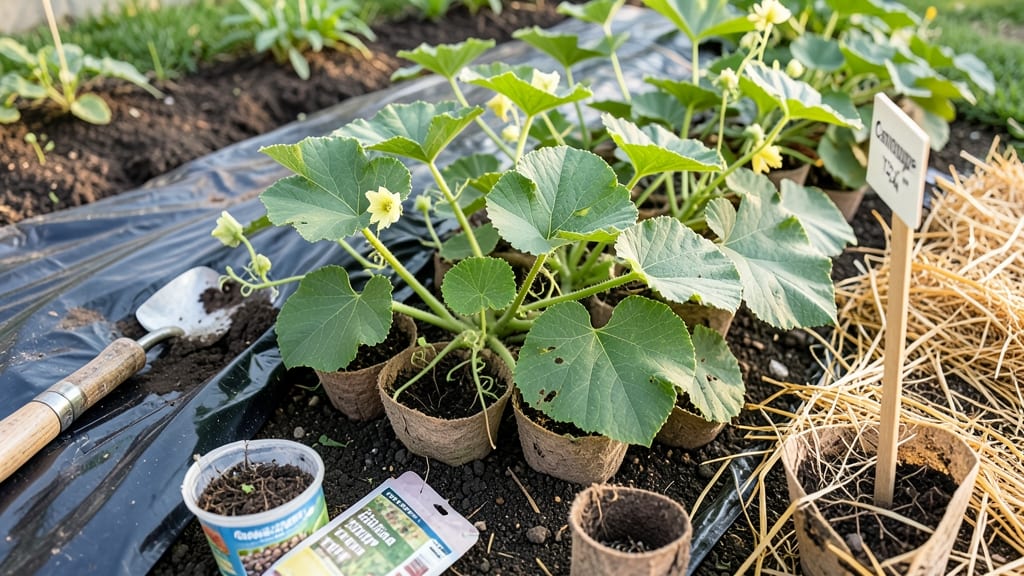
Timing your cantaloupe planting in Virginia can make or break your harvest—get it wrong, and you might end up with bitter fruit or no harvest at all. The secret lies in waiting for the perfect window after the last frost, when soil temperatures hit that sweet spot for germination.
Since Virginia’s climate varies from coastal warmth to mountain chill, knowing exactly when to plant ensures your 🍈 vines thrive.
Most gardeners in USDA zones 6a-8a should aim to start seeds indoors by mid-March, then transplant seedlings after April 15, when nighttime temperatures stay consistently above 50°F.
But don’t rush—soil needs to be at least 70°F for seeds to sprout, and young plants won’t tolerate even a light frost. I’ll show you how to check soil temps and adjust your schedule based on your specific Virginia region.
Why does timing matter so much? Cantaloupes need a long, warm growing season—75-90 days from transplant to harvest—and late frosts or cool soil can stall growth.
I’ve grown cantaloupes in Virginia for years, and the difference between a bountiful harvest and a failed patch comes down to these key details. Let’s break it down so you can avoid common mistakes and enjoy sweet, ripe melons from your garden.
From selecting the right variety for your zone to protecting seedlings from unexpected chilly snaps, this guide covers everything you need to know. You’ll learn how to extend the season, spot the perfect planting window, and even troubleshoot if Mother Nature throws you a curveball.
Ready to grow cantaloupes that taste like summer?
Best weeks before last frost to plant cantaloupe in Virginia (by region)
Virginia’s diverse climate—from the Coastal Plain to the Blue Ridge Mountains—means cantaloupe planting times vary by USDA zone (6a-8a). Planting too early risks frost damage, while waiting too long shortens the growing season. Here’s your region-specific schedule to maximize sweet melons by harvest season.
Use these last frost dates as your guide: April 15 for Coastal Plain, April 30 for Piedmont, and May 15 for higher elevations.
Cantaloupes need 75-90 days from transplant to harvest, so aim to plant 4-6 weeks before your last frost for seedlings or direct-sow 2-3 weeks after frost risk passes for seeds.
For direct seeding, wait until soil temps hit 60°F+ (use a soil thermometer). For transplants, soil should be 70°F+ and air temps above 65°F. Virginia’s short growing season (165 frost-free days) demands precision—choose fast-maturing varieties if you’re in Zone 6a (e.g., Shenandoah Valley).
🌱
| Region | Last Frost Date | Seed Start Indoors | Transplant Outdoors | Direct Sow Outdoors | Harvest Window |
|---|---|---|---|---|---|
| Coastal Plain (Zone 7b-8a) | April 15 | March 15-April 1 | April 15-May 1 | April 20-May 10 | July 15-August 15 |
| Piedmont (Zone 7a-7b) | April 30 | March 30-April 15 | April 30-May 15 | May 1-May 20 | July 30-September 1 |
| Blue Ridge (Zone 6b-7a) | May 15 | April 15-May 1 | May 15-June 1 | May 20-June 5 | August 15-September 10 |
| Shenandoah Valley (Zone 6a-6b) | May 10 | April 1-April 15 | May 10-May 25 | May 15-June 1 | August 1-September 5 |
*Adjust dates 1-2 weeks earlier for microclimates (e.g., south-facing slopes) or later for frost-prone areas.
In Coastal Virginia (Zone 8a), you can even start seeds indoors by March 15 for an early harvest by mid-July. Meanwhile, mountain regions (Zone 6a) should prioritize fast-maturing varieties like ‘Ambrosia’ (70 days) to avoid early fall frosts.
Always monitor local weather forecasts—late frosts in April can still occur, especially in the Piedmont and Shenandoah Valley.
For extended harvests, consider succession planting: Sow seeds every 2 weeks after your initial planting date. This staggered approach ensures melons ripen over 6-8 weeks, reducing waste. Just remember: cantaloupes hate cold soil—if temps dip below 50°F, germination stalls, and seedlings may rot.
Pro tip: Use black plastic mulch to warm soil faster in cooler regions. It can raise soil temps by 5-10°F, helping seeds germinate 3-5 days sooner. Pair this with row covers for early transplants to shield them from late spring frosts (common in May for higher elevations).
🌡️
If you’re in Zone 6a and worried about a short season, opt for transplants instead of direct seeding—they give your cantaloupes a 2-3 week head start. Purchase 6-inch seedlings from a local nursery and harden them off for 7-10 days before planting.
Avoid planting before May 10 in these areas, as even a light frost can kill young vines.
Finally, track your progress with a garden journal. Note when you planted, soil temps, and any pests or diseases (like cucumber beetles). This data helps you refine next year’s schedule.
For example, if your Coastal Plain cantaloupes ripened by August 1, you know you can push planting to mid-May for a late-summer harvest without risk.
📅
Soil temperature and cantaloupe germination: what Virginia gardeners must know
Cantaloupes are warm-season crops, and getting the soil temperature right is critical for germination. In Virginia, cantaloupe seeds won’t sprout until the soil reaches a steady 60°F (15°C), but growth really takes off at 70°F (21°C) or warmer.
If you plant too early, your seeds may rot in cold soil—wasting time and resources.
Most Virginia regions hit these temperatures between late April and early May, but cooler mountain areas like the Blue Ridge may need to wait until mid-May. Always check soil temps with a soil thermometer before planting to avoid disappointment.
🌱Pro Tip: Use a black plastic mulch or clear row covers to warm the soil faster. These methods can add 5-10°F to soil temperature, giving you an earlier start.
⚠️ Warning: Late Frosts Can Wipe Out Young Plants
Virginia’s last frost dates vary by region, but a surprise frost after planting can kill tender cantaloupe seedlings. Even if soil temps are ideal, wait until after May 15 in most areas to be safe. In the Shenandoah Valley, extend this to June 1 to avoid frost damage.
Use frost cloth or row covers if planting early, but remove them once flowers appear to prevent overheating.
If your spring is unusually cool, consider starting seeds indoors 3-4 weeks before your last frost date. Transplant seedlings outdoors only after soil temps hit 70°F (21°C) and nighttime temps stay above 55°F (13°C). Hardening off seedlings properly is key—expose them to outdoor conditions gradually over 7-10 days.
For gardeners in USDA Zone 6a (like the Blue Ridge Mountains), extend your season by using cold frames or hoop houses. These can add 2-4 weeks to your growing season, letting you plant earlier and harvest longer.
Once your cantaloupes are established, they’ll thrive in Virginia’s heat—but consistent soil warmth is the foundation. Monitor temps weekly in spring, and don’t rush planting. Patience now means sweeter, juicier melons later in the season.