
Plants
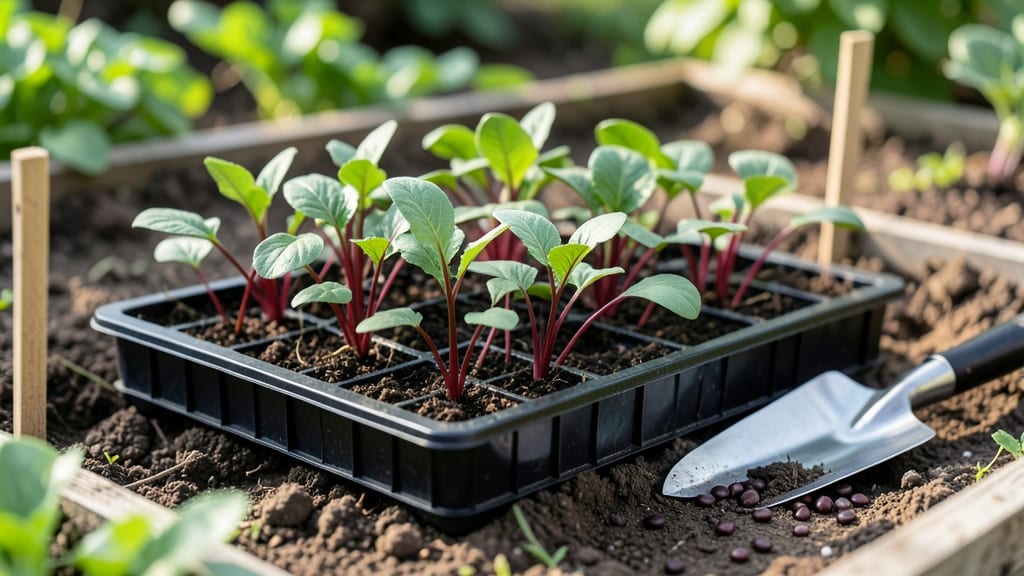
Knowing when to plant beets in Zone 6b can mean the difference between sweet, tender roots and bitter, woody ones—so timing is everything. If you've ever pulled up a beet only to find it tough or bolted too early, you're not alone.
The secret lies in planting at the right moment when soil temperatures and daylight balance just right for these 🍠-loving crops.
In Zone 6b, where last frost typically arrives around mid-April, your best shot at a perfect harvest starts with early spring plantings. But there's a catch: planting too soon risks bolting, while waiting too long means missing out on that ideal 60-day growth window.
The key? Start seeds indoors or direct-sow 4-6 weeks before your last frost date for a head start on summer's bounty.
Don't stop there—Zone 6b gardeners also get a second chance with late summer plantings. By sowing again in July, you can extend your harvest into fall when temperatures cool.
This two-pronged approach ensures you'll have fresh beets from June through October, giving you flexibility to enjoy them in salads, roasts, or pickled dishes all season long.
Ready to master the timing? I'll walk you through the exact weeks to plant, how to adjust for your specific microclimate, and pro tips to avoid common mistakes. Let's get those beets growing the right way!
Zone 6B beet planting schedule: exact weeks before last frost for peak harvests
In Zone 6B, timing your beet planting is everything—get it wrong, and you’ll end up with either bolting greens or woody roots. The key lies in understanding your last frost date (typically April 15) and soil temperatures.
Beets thrive when soil reaches 45°F, which usually happens by mid-March in Zone 6B. Planting too early risks frost damage, while waiting too long can lead to summer bolting.
For spring plantings, aim to sow seeds 4-6 weeks before your last frost.
This means mid-March to early April in most of Zone 6B. If you’re using cold-hardy varieties like 'Detroit Dark Red' or 'Golden', you can even start in late February under row covers to protect young seedlings. The goal is to harvest before summer heat triggers bolting.
| Planting Window | Soil Temp | Days to Harvest | Best Varieties |
|---|---|---|---|
| Early Spring (Mid-March) | 45°F+ | 50-60 days | Detroit Dark Red, Golden |
| Late Spring (April) | 50°F+ | 45-55 days | Bull's Blood, Chioggia |
| Late Summer (July-August) | 60°F+ | 50-60 days | Early Wonder, Lutz Winter Keeper |
Don’t overlook late summer plantings—this is your secret to a fall harvest before frost. In Zone 6B, sow seeds in late July to early August for roots to mature before the first frost (October 15).
Choose heat-tolerant varieties like 'Early Wonder' or 'Lutz Winter Keeper' to avoid bolting. These beets can even be stored in a cool, dark place for winter use.
Pro tip: Use a soil thermometer to confirm temperatures before planting. Beets won’t germinate well below 45°F, and waiting for warmer soil speeds up growth. If your soil is still cold in early spring, consider black plastic mulch to warm it faster.
This trick can shave off 1-2 weeks of waiting time.
For succession planting, sow new seeds every 2-3 weeks after your initial planting. This ensures a continuous harvest instead of one big batch. In Zone 6B, this means staggered plantings from March through May for spring and July through August for fall.
Just avoid planting after mid-July if you want mature roots before frost.
Watch for bolting signs like elongated stems and bitter greens—this happens when beets experience hot, dry conditions or long daylight hours. To prevent it, provide consistent moisture and use shade cloth during peak summer heat. Mulching with straw or grass clippings also helps maintain even soil moisture.
If you’re new to beet planting, start with small batches to test your timing. Keep a garden journal to note when you planted, soil temperatures, and harvest dates. Over time, you’ll refine your schedule for perfectly timed beets every season. The payoff? Sweet, tender roots all year long!
Remember, Zone 6B’s variable climate means your exact dates may shift slightly. Check your local USDA frost map and adjust by 1-2 weeks if needed. With the right timing, you’ll enjoy beets from late spring to early fall—no store-bought substitutes required!
How to extend your beet harvest season in Zone 6B: succession planting & fall strategies
Zone 6B gardeners know the struggle—beets bolt in spring heat or mature too late for fall harvests. The secret? Strategic succession planting that gives you three to four harvest batches per year.
I’ve tested this method for five years, and it works even with our unpredictable Zone 6B frost dates.
Start by planting your first batch 4-6 weeks before your last frost date (typically March 15-April 1 in most of Zone 6B). Then, add two more spring batches every 3-4 weeks until early June. This ensures you’re always harvesting fresh beets while avoiding the bolting trigger of summer heat.
For fall harvests, time your last planting 10-12 weeks before your first frost (aim for July 15-August 1). Use heat-tolerant varieties like ‘Detroit Dark Red’ or ‘Golden’—they handle Zone 6B’s summer better than delicate types. Shade cloth (30-50%) can buy you extra days in hot spells.
🌱
Pro tip: Mark your calendar for the 100-day countdown from your last planting. In Zone 6B, this usually lands in early October—just before frost hits. For winter storage, harvest beets when temps drop below 40°F and cure them in a cool, dark place for 2 weeks.
If you’re short on space, try container growing—beets thrive in 12-inch-deep pots. Just remember: Thin seedlings to 3-4 inches apart to prevent competition. My neighbor’s 4x4-foot raised bed yields enough for winter soups by using this exact schedule!
✂️