
Plants
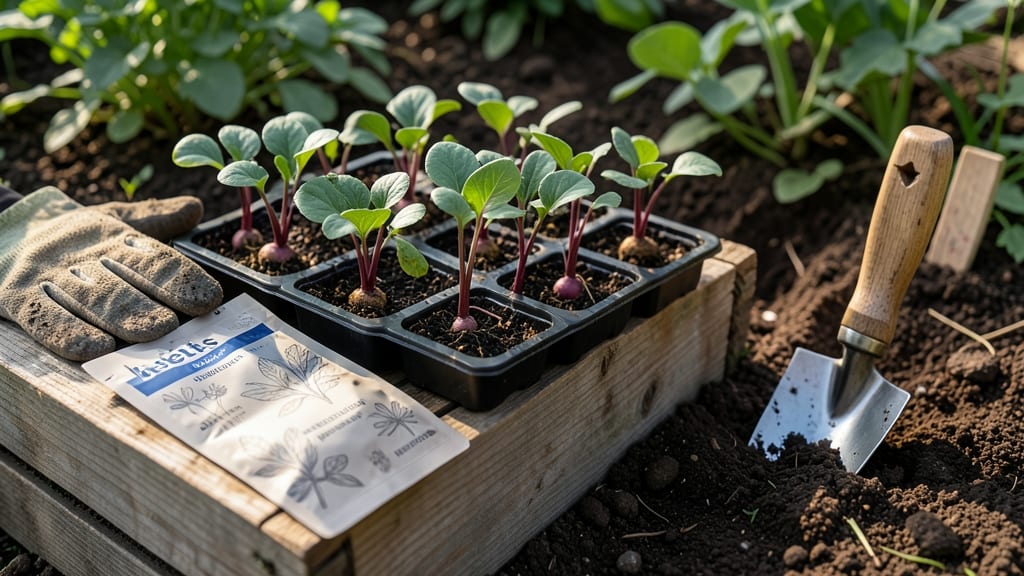
If you're growing beets in Zone 7b, timing your planting is the difference between sweet, tender roots and bitter disappointment. The 🍠 thrives when sown just right—too early, and you risk frost damage; too late, and your harvest arrives woody and tough.
With Zone 7b's 180-day growing season, you've got a narrow window to nail it.
Most gardeners in 7b swear by two planting windows: early spring (March) and late summer (August). But here's the catch—your last frost date (around March 15) isn't the only factor.
Soil temperature matters just as much, and we'll show you exactly when to plant for perfect beets every time.
In this guide, you'll discover the exact weeks before last frost that work best, plus how to adjust for fall planting when summer heat stresses your plants. We'll also cover the top mistakes that ruin beet harvests in Zone 7b—and how to avoid them.
Ready to grow beets that are sweet, tender, and ready to harvest? Let's get started with the planting schedule that actually works for your climate.
Exact weeks before last frost to plant beets in Zone 7b
Zone 7b gardeners have a narrow but critical window for planting beets—typically 4-6 weeks before your last frost date. For most of Zone 7b, this means early March planting (around March 1-15) when soil temperatures reach 40-50°F.
Beets thrive in cool weather, so planting too early risks bolting (premature flowering), while late planting may yield small, woody roots before harvest.
Your last frost date in Zone 7b usually falls between March 15-31, depending on microclimates. Use your local USDA frost calendar to pinpoint the exact date, then count backward.
For example, if your last frost is March 25, plant beets 4-6 weeks earlier (February 10-25). This timing ensures 60-70 days of growth before summer heat arrives.
Soil temperature is more critical than air temperature. Use a soil thermometer to confirm 40°F+ at 2-inch depth before sowing. Cold soil slows germination, leading to uneven sprouts and poor stands. If your soil is too cold, wait 1-2 weeks or use black plastic mulch to warm it faster.
For sweetest roots, aim for a spring harvest in May-June when days are still cool. Beets planted too late (after April 15) often struggle with heat stress, producing bolting or bitter-tasting roots. Choose early-maturing varieties like 'Detroit Dark Red' or 'Golden' for Zone 7b’s short spring window.
| Planting Stage | Zone 7b Timeline | Key Actions |
|---|---|---|
| Soil Prep | February (4-6 weeks before last frost) | Test soil pH (6.0-7.0), amend with compost, remove weeds. |
| Sowing | Early March (when soil hits 40°F+) | Plant seeds ½" deep, 1" apart; thin to 2-3" when 2" tall. |
| Germination | 7-14 days (soil 50°F+) | Keep soil moist; use row covers if nights are chilly. |
| Thinning | 3-4 weeks after sowing | Thin to 2-3" spacing; harvest thinnings for greens. |
| Harvest | May-June (50-70 days after sowing) | Pull when roots are 1-3" diameter; harvest before bolting. |
Zone 7b’s fall planting window is equally important but often overlooked. For a second harvest in October-November, sow beets 8-10 weeks before your first frost (typically late August). This ensures roots mature before winter chill sets in. Use cold-hardy varieties like 'Chioggia' or 'Bull’s Blood' for fall success.
To extend your fall harvest, consider succession planting every 2-3 weeks from August until September 15. This staggered approach guarantees a continuous supply of fresh beets. Just be sure to protect seedlings with floating row covers if early fall nights dip below 45°F.
If you’re new to beet planting, start with a small batch to test your soil and timing. Beets are forgiving but time-sensitive—mastering the 4-6 week pre-frost window will give you sweet, tender roots every season.
For extra insurance, plant a mix of early and late varieties to hedge against weather surprises.
Remember: Consistent moisture is key during germination. Water lightly every 2-3 days until sprouts appear, then increase to 1 inch per week. Mulch with straw or grass clippings to retain moisture and suppress weeds—this is especially critical in Zone 7b’s hot, dry summers.
Pro tip: Mark your calendar with your last frost date, then count backward. Use a gardening journal to track your success—note soil temps, planting dates, and harvest sizes. Over time, you’ll refine your Zone 7b beet schedule for perfect timing every year.
Exact weeks before last frost to plant beets in Zone 7b
Zone 7b gardeners have a 6-week window before last frost (around March 15) to plant beets for a spring harvest. The sweet spot? Start seeds 4-6 weeks before your average last frost date when soil temps hit 40°F. This gives seedlings time to establish before summer heat arrives.
For most of Zone 7b, that means mid-to-late February for early varieties like 'Detroit Dark Red'. If you live in cooler microclimates (like higher elevations), push planting to early March to avoid frost damage.
🌱
| Planting Window | Soil Temp | Ideal Variety | Days to Harvest |
|---|---|---|---|
| Early Spring (Feb 15-Mar 15) | 40-50°F | 'Babybeat' (45 days) | 45-60 days |
| Late Summer (Aug 15-Sept 15) | 60-70°F | 'Golden' (55 days) | 50-70 days |
| Fall (Sept 1-Oct 15) | 50-60°F | 'Chioggia' (60 days) | 55-65 days |
Pro tip: Use a soil thermometer to confirm temps before planting. Beets won't germinate well below 40°F, even if frost isn't imminent. For cooler microclimates, consider row covers to warm soil faster.
Fall planting in Zone 7b often yields better results than spring because summer heat causes bolting. Aim to plant 8-10 weeks before first frost (around September 1) for a late-October harvest. This gives roots time to mature before winter chill sets in.
🌿