
Plants
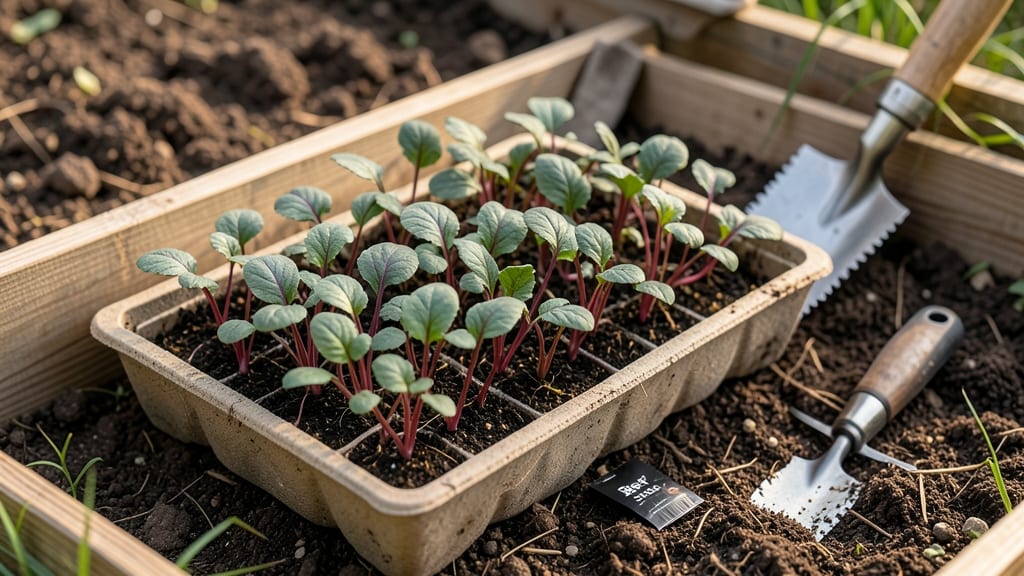
When to plant beets in Colorado just right could mean the difference between a thriving garden and wasted seeds—especially when frost sneaks in unexpectedly. Whether you're a first-time gardener or a seasoned green thumb, getting the planting window perfect ensures tender, sweet roots instead of bitter surprises.
Colorado’s USDA Zones 5-7 offer two prime chances to grow 🍠: early spring and late summer. But with frost dates shifting by elevation, knowing exactly when to start seeds (like March 15–April 30) or transplant seedlings (August 15–September 15) is the key to success.
Let’s break down the best strategies for your specific microclimate.
Most gardeners miss the mark by planting too early or too late, risking stunted growth or bolting. The secret? Planting 4–6 weeks before your last frost date (usually around April 15 on the Front Range) and spacing out sowings every 2–3 weeks for a continuous harvest.
I’ll show you how to extend your season with cold-hardy varieties and row covers.
Ready to grow beets that rival your favorite farmers' market finds? By the end of this guide, you’ll know exactly when to plant, how to protect your crop, and which varieties thrive in Colorado’s short but sweet growing season. Let’s get those seeds in the ground!
Best months to plant beets in Colorado’s climate zones 4-7
Colorado’s diverse climate—from the high-altitude Front Range to the Western Slope—means your beet planting timeline should match your local last frost date. Most Colorado zones (4-7) experience frost until mid-April, but elevations above 7,000 feet can delay this by 2-3 weeks.
To avoid bolted or frost-bitten greens, aim for soil temperatures of 40–80°F for germination.
For the Eastern Plains (Zone 5-6), your best window starts mid-March and extends through late April. In Denver (Zone 5) or Fort Collins (Zone 4-5), wait until late March to plant, as early sowings often rot in cold, wet soils.
The Western Slope (Zone 6-7), like Grand Junction, can plant 2 weeks earlier due to warmer microclimates.
Here’s a quick reference for Colorado’s key regions, including soil prep and frost-free calculations:
| Region | Last Frost Date | Planting Window | Soil Temp for Germination | Notes |
|---|---|---|---|---|
| Front Range (Denver, Boulder) | Mid-April | March 15–April 30 | 45–60°F | Use row covers for early plantings |
| Western Slope (Grand Junction) | Late March | March 1–April 15 | 50–70°F | Warmer microclimates allow earlier sowing |
| Eastern Plains (Pueblo, Colorado Springs) | Early April | March 10–April 20 | 40–55°F | Dry soils may need irrigation |
For a second harvest, plant again in late summer (August 15–September 15). Beets thrive in cool fall weather and can tolerate light frosts. In Zone 5, aim to harvest before mid-October; in Zone 7, you may extend until November with row covers.
Pro tip: Use Colorado State University’s frost calculator (csuextension.colostate.edu) to pinpoint your exact last frost date. Input your ZIP code, and it’ll adjust for elevation—critical for high-altitude gardeners!
If you’re planting in containers, start 2 weeks earlier than ground plantings. Containers warm up faster and can be moved to protected microclimates (like near a south-facing wall) to extend the season.
Avoid planting beets in June or July—Colorado’s heat causes them to bolt (go to seed) prematurely. Instead, focus on spring and fall for sweet, tender roots.
For succession planting, sow new seeds every 2–3 weeks from March to September. This ensures a steady supply of baby beets (harvest at 1–2 inches) all season long.
Always loosen soil to 6 inches deep before planting. Beets need room to expand, and compacted soil leads to forked or misshapen roots—a common Colorado gardener complaint!
🌱
Best months to plant beets in Colorado’s climate zones 4-7
Colorado’s diverse microclimates mean your last frost date could range from mid-April in Denver to late May in mountain valleys. Beets thrive in soil temperatures between 40-80°F, so timing matters—plant too early, and seeds rot; too late, and roots bolt before harvest.
Let’s break it down by region to maximize your zero-frost success.
For Front Range gardeners (Denver, Boulder, Fort Collins), aim for March 15–April 30 for spring plantings. Soil warms quickly here, but light frosts can linger until mid-April.
Use row covers if planting before April 1 to protect tender seedlings. Western Slope (Grand Junction, Durango) enjoys earlier warmth—start as early as March 1—while Eastern Plains (Pueblo, Colorado Springs) should wait until April 15 to avoid late frosts.
| Region | Spring Planting Window | Soil Temp for Germination | Frost Risk |
|---|---|---|---|
| Front Range (Denver/Boulder) | March 15–April 30 | 45–65°F | Moderate (until April 15) |
| Western Slope (Grand Junction) | March 1–April 15 | 50–70°F | Low (after March 10) |
| Eastern Plains (Pueblo) | April 15–May 15 | 40–55°F | High (until April 30) |
Don’t overlook late summer plantings for a fall harvest! Seed beet varieties like Detroit Dark Red or Chioggia between August 15–September 15 to mature before first frost (October 15).
These cold-hardy varieties tolerate light frosts, sweetening roots as temps drop. For high-elevation gardens (above 7,000 ft), push planting to July 15—soil stays cooler longer, delaying germination.
Pro tip: Test soil temps with a soil thermometer before planting. Beets won’t germinate below 40°F, and waiting for consistent 50°F+ speeds up growth. Slow germination (3+ weeks) signals it’s too cold—adjust your planting date or use black plastic mulch to warm soil faster.
For succession planting, sow new seeds every 2–3 weeks from March through June. This ensures a continuous harvest from June through October. Space seeds 1–2 inches apart and thin to 3–4 inches once leaves touch—crowding leads to small, misshapen roots.
Colorado’s short growing season demands precision, but with these region-specific windows, you’ll avoid the two biggest mistakes: planting too early (seed rot) or too late (bolting). Mark your calendar and watch those ruby-red roots thrive! 🌱