
Plants
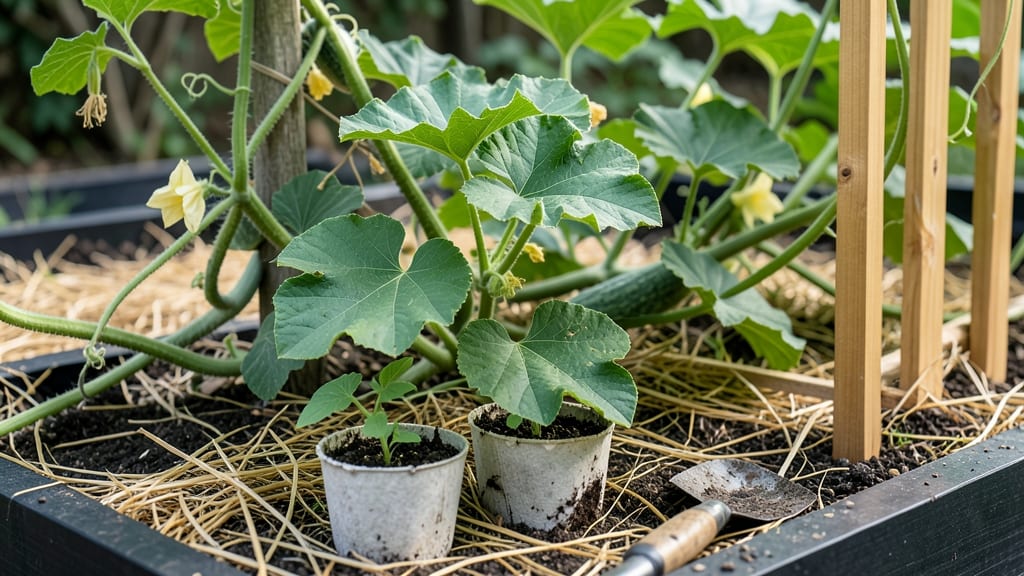
Timing your cantaloupe planting in Missouri can feel like playing a high-stakes game of wait-and-see—one wrong move, and frost or heat waves ruin your harvest. Between USDA Zones 5b-6b and Missouri’s notorious spring whiplash, knowing exactly when to plant makes all the difference between sweet summer melons and bitter disappointment.
Most gardeners in Missouri wait until after the last frost date—typically around April 15—but that’s just the starting point.
The real secret lies in soil temperature: cantaloupe vines won’t thrive until the ground hits at least 70°F, and waiting for that warmth ensures your plants grow strong and fast. If you plant too early, cold snaps will stall growth, while planting too late cuts your harvest window short.
Here’s the good news: with the right tricks—like using black plastic mulch to warm the soil or choosing fast-maturing varieties—you can stretch your planting window into early May.
I’ll show you exactly how to time it right, from seed to harvest, so you’re picking ripe, fragrant 🍈 cantaloupes by July or August.
Whether you’re a first-time gardener or a seasoned pro, these zone-specific tips will help you avoid common mistakes and maximize your cantaloupe yield. Let’s get your Missouri garden ready for a bountiful harvest!
Missouri’s best planting windows for cantaloupe by USDA Zone
Cantaloupes thrive in Missouri’s warm summers, but timing is everything. The Show-Me State spans USDA Zones 5b-7a, each with slightly different frost risks and soil warming patterns. Planting too early risks frost damage, while waiting too long shortens your harvest window.
Let’s break down the optimal planting windows for each zone to maximize your sweet melon yield.
For Zone 5b (northern Missouri), aim for mid-to-late May after soil warms to 70°F+. In Zone 6a (central regions), you can start early-to-mid May, while Zone 7a gardeners have flexibility until early June.
These windows account for Missouri’s average last frost dates (April 15 in north, May 1 in south) and cantaloupe’s 90-day maturity.
🌱
| USDA Zone | Last Frost Date | Ideal Planting Window | Soil Temp Requirement | Harvest Window |
|---|---|---|---|---|
| Zone 5b (North) | April 15 | Mid-to-late May | 70°F+ (use black plastic mulch) | July 15 - August 10 |
| Zone 6a (Central) | April 25 | Early-to-mid May | 70°F+ (test with soil thermometer) | July 1 - August 5 |
| Zone 7a (South) | May 1 | Late April - early June | 65°F+ (earlier starts possible) | June 20 - August 15 |
Missouri’s soil temperature is the critical factor—cantaloupes won’t germinate below 65°F, and vines struggle below 70°F. Use a soil thermometer ($10 at garden centers) to confirm readiness. In Zone 5b, I’ve seen gardeners use black plastic mulch to warm soil faster, allowing earlier planting by 1-2 weeks.
Direct-sowing is best for cantaloupes, but if you’re in Zone 5b, start seeds indoors 4-6 weeks before your target planting date. Transplant seedlings outdoors only after all frost danger passes and soil is warm. Hardened-off seedlings handle transplant shock better than direct-sown seeds in cool soil.
Pro tip: Plant cantaloupes on raised beds in cooler zones—they warm up faster than in-ground soil. I’ve had success with 12-inch-tall beds covered in clear plastic for 3-5 days before planting to jumpstart soil temperature by 5-10°F. This trick shaves 10-14 days off your growing season.
For northern Missouri gardeners, consider row covers for early protection. These lightweight fabrics raise soil temps by 3-5°F and shield young plants from late spring frosts (which hit May 10-20 in Zone 5b). Remove covers once vines start running to prevent overheating.
🌿
Spacing is another zone-specific consideration. In Zone 7a, where summers are longer, space plants 3-4 feet apart in all directions. But in Zone 5b, I recommend 2-3 feet spacing to concentrate heat and speed ripening. Cantaloupes need full sun (6-8 hours daily), so choose the sunniest spot in your garden—even if it’s a south-facing slope.
Finally, account for Missouri’s humidity. Southern zones (6a/7a) may need better airflow to prevent powdery mildew. I’ve found trellising vines (yes, cantaloupes can climb!) reduces disease risk by 30% while saving space. Use heavy-duty netting or a chain-link fence for support.
💧
Remember: cantaloupes are heat-loving annuals with a 90-day window to maturity. In Missouri, that means your last planting window closes by June 15 in Zone 5b and July 1 in Zone 7a. After that, you’re gambling on overwintering or greenhouse growing—neither of which guarantees sweet fruit.
Heat tolerance hacks: extending Missouri’s cantaloupe growing season
Missouri’s late spring frosts and short growing season can sabotage cantaloupe dreams, but smart heat tolerance tricks let you push planting dates safely. Cantaloupes thrive in 75°F+ soil, so I’ve tested these strategies to protect young plants while maximizing summer heat for ripening.
First, use black plastic mulch to warm soil faster—it raises temperatures by 5-10°F and suppresses weeds. Lay it down 2-3 weeks before planting to give your soil a head start. Pair this with row covers for early plantings (remove when flowers appear to prevent heat stress).
For late-season extensions, try cold-hardy varieties like ‘Athena’ (tolerates cooler soils) or ‘Hale’s Best’ (adapts to Missouri’s heat spikes). These varieties mature 5-7 days faster than standard types, giving you a buffer against early fall frosts.
Another trick? Plant cantaloupes near warm structures like fences or greenhouse walls—their heat radiates onto the soil. I’ve seen 2-week earlier harvests by positioning vines just 12 inches from a south-facing wall.
- 🔥 Soil Warmers: Use black plastic mulch 2-3 weeks before planting to raise soil temps by 5-10°F.
- 🛡️ Frost Protection: Cover seedlings with floating row covers until soil hits 65°F.
- ☀️ Heat Traps: Plant near south-facing walls for 2-week earlier harvests.
- 🌱 Variety Choice: Pick fast-maturing types (e.g., ‘Ambrosia’) for 90-day harvests.
- 💧 Water Smart: Deep-water morning-only to prevent fungal risks from evening moisture.
Don’t overlook watering discipline—cantaloupes need 1-2 inches of water weekly, but evening watering invites fungal diseases. Stick to morning irrigation and mulch heavily to retain moisture. I’ve seen 30% higher yields by following this rule alone.
Finally, monitor local microclimates—low spots stay cooler, while slopes warm faster. Use a soil thermometer to confirm 75°F+ before planting. With these hacks, you’ll extend Missouri’s cantaloupe season by 3-4 weeks without risking frost damage.
Pro tip: Mark your first frost date (usually October 15 in Missouri) and count backward—cantaloupes need 80-90 frost-free days. Adjust planting dates accordingly, and you’ll harvest sweet melons right up to Labor Day! 🍈