
How To
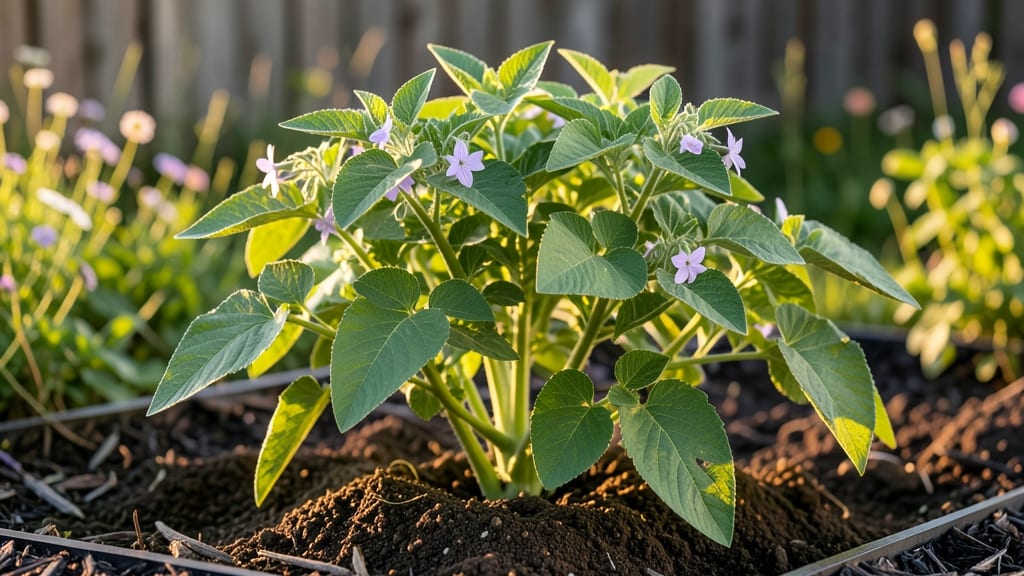
If you're planning to grow potatoes this spring, you might be wondering how tall does a potato plant grow—because that can make or break your garden layout. Some varieties stay compact, while others send up vines that could outgrow your space faster than you can say "🥔 harvest!"
Knowing the right height for your chosen variety is key to avoiding tangled messes and maximizing your yield. Whether you're working with a small balcony or a sprawling backyard, understanding these growth patterns helps you plan for trellises, containers, or even clever pruning techniques.
The good news? Most potatoes fit neatly into a 1- to 3-foot range, but there are exceptions that could surprise you.
In this guide, I’ll break down the height differences between popular varieties—like the bushy 'Red Pontiac' and the sprawling 'Yukon Gold—so you can pick the perfect fit for your garden. Plus, I’ll share space-saving tips to keep even the tallest vines under control without sacrificing those tasty tubers.
Ready to turn your potato patch from a potential jungle into a well-organized, high-yielding success? Let’s dive in and find the perfect height for your harvest plans.


Potato plant height by variety: from compact to towering
Potato plants aren’t one-size-fits-all—they range from dwarf varieties that stay under a foot tall to tall vining types that reach waist height or beyond. Understanding these differences helps you plan your garden layout and choose the right varieties for your space.
Whether you’re working with a small urban plot or a sprawling backyard, knowing a potato plant’s mature height ensures you give it the room it needs to thrive.
The average potato plant grows between 1 to 3 feet tall, but this varies dramatically depending on the variety. Some, like ‘Red Pontiac’, stay compact, while others, such as ‘Kennebec’, can sprawl aggressively.
Even within the same variety, factors like soil fertility, sunlight exposure, and pruning habits can influence how tall your plants grow. For example, a well-fed ‘Yukon Gold’ might reach its full 3-foot potential, while one in poor soil could stay shorter.
Here’s the key: dwarf varieties (like ‘Rocket’ or ‘Adirondack Red’) are perfect for containers or small gardens, while standard vining types need more space. If you’re short on room, you’ll want to focus on bush varieties or use vertical growing techniques to keep sprawling plants in check.
🌱
If you’re growing early-season potatoes, like ‘Early Girl’, expect them to mature faster but still reach 18–24 inches tall. Meanwhile, late-season varieties such as ‘Kennebec’ or ‘Russet Burbank’ will grow taller and take longer to harvest, often requiring staking or mounding soil to support their height.
For container gardening, stick to dwarf or semi-dwarf varieties—they won’t outgrow their pots and are easier to manage.
One common misconception is that taller potato plants always produce more yield. In reality, bush varieties often yield just as well in less space. For example, ‘Adirondack Red’ might give you a smaller harvest than ‘Kennebec’, but it won’t sprawl everywhere.
If space is limited, prioritize bush types or use vertical growing methods to maximize your harvest without sacrificing garden real estate.
Another factor to consider is pruning. If you’re growing tall vining varieties, pinching back the top growth can encourage bushier plants and prevent them from becoming too leggy.
This technique is especially useful for ‘Purple Viking’, which can become top-heavy without support. Just be sure to prune before flowering to avoid reducing tuber production.
🌿
For urban gardeners or those with limited space, ‘Rocket’ potatoes are a game-changer. These 8–12-inch wonders thrive in 5-gallon containers and produce small, flavorful tubers perfect for salads. Pair them with ‘Adirondack Red’ in a raised bed, and you’ll have a compact, high-yield potato patch without the sprawl.
Even in small balconies, you can grow potatoes if you choose the right variety and use deep containers (at least 12 inches deep).
If you’re planning a large garden, mix varieties to create visual interest and optimize space. For instance, plant ‘Yukon Gold’ (18–36 inches) in the back of a bed and ‘Rocket’ (8–12 inches) in the front.
This layered approach ensures every inch of your garden is used efficiently. Just remember: taller varieties need more space between plants—aim for 12–18 inches apart for v
Potato plant height by variety: from compact to towering
Potato plants aren’t one-size-fits-all—their height can range from compact 8-inch dwarfs to towering 3-foot vines, depending on the variety. If you’re planning your garden layout, knowing these differences helps you avoid overcrowding or wasted space.
For example, bush varieties like 'Red Pontiac' stay short and sturdy, while vine types like 'Purple Viking' sprawl dramatically. Let’s break down the height ranges by season and variety so you can pick the perfect fit for your space.
Early-season potatoes, like 'Yukon Gold,' typically reach 1–2 feet tall, making them ideal for small gardens or early harvests. Mid-season varieties, such as 'Kennebec,' often grow 2–3 feet, while late-season types like 'Russian Banana' can stretch 3 feet or more—perfect for trellising or deep soil.
Understanding these differences ensures you choose varieties that match your garden’s size and your harvesting goals.
| Variety | Height Range | Best For |
|---|---|---|
| Dwarf (e.g., 'Red LaSoda') | 8–12 inches | Containers, small gardens |
| Medium (e.g., 'Yukon Gold') | 1–2 feet | Standard beds, early harvests |
| Tall (e.g., 'Purple Viking') | 2–3 feet | Trellises, deep soil |
If you’re growing heirloom or vine varieties, expect taller plants that may need staking or trellising to prevent sprawling. For instance, 'Russian Banana' potatoes can grow 3 feet or taller, making them perfect for vertical gardens.
Meanwhile, bush varieties like 'Red Pontiac' stay compact, ideal for intercropping with other crops or small-space gardens. Always check the variety’s description—some labels even specify whether the plant is "bush" or "vine" type.
Height also affects harvesting ease. Taller varieties may require deeper soil or containers to accommodate their long tubers. For example, 'Kennebec' potatoes, which grow 2–3 feet tall, need at least 12 inches of soil depth to prevent tuber exposure.
If your garden soil is shallow, opt for dwarf or medium-height varieties to avoid digging too deep or damaging tubers during harvest.
One common misconception is that taller potato plants always produce larger yields. In reality, yield depends more on soil fertility, sunlight, and spacing than height alone. A 1-foot-tall 'Red LaSoda' can produce just as many potatoes as a 3-foot 'Purple Viking' if given the right care.
Focus on soil quality and sunlight—not just height—when planning your potato patch.
For urban gardeners or balcony growers, dwarf varieties are a game-changer. A 5-gallon container can easily hold a Red LaSoda plant, while taller types like 'Yukon Gold' need at least 12-inch-deep pots.
Always pair the right variety with the right container size to avoid root-bound stress or poor yields. With the right choices, even a tiny space can yield a bountiful potato harvest!