
Plants
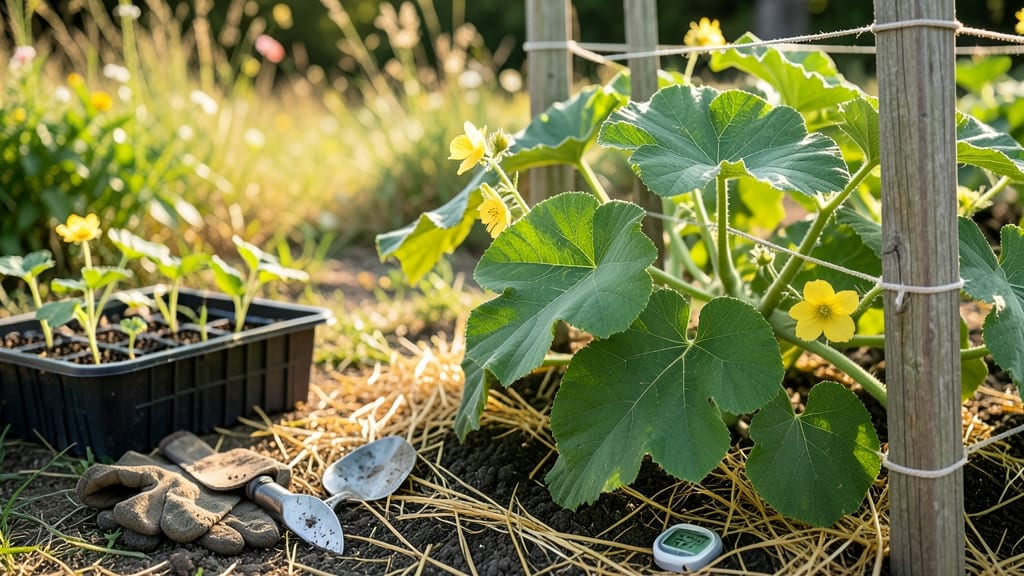
Planting cantaloupe in Louisiana isn't just about timing—it's about mastering the heat. If you miss the mid-March to early April window, you could end up with bitter fruit or no harvest at all.
The key lies in understanding your local heat zone and soil temperatures, which can make or break your 90-day harvest.
Louisiana's 8a-9b climate gives you two chances to grow cantaloupe: spring and fall. But getting the timing right means waiting until after the last frost (usually around March 15) and ensuring soil hits 70°F before planting. Skip these steps, and you'll struggle with slow growth or disease.
I've grown cantaloupe in Louisiana for years, and I know firsthand how frustrating it can be when the weather doesn't cooperate. The good news? With the right schedule, you can avoid common mistakes and enjoy sweet, ripe fruit from June to August (or again in fall).
Let me walk you through the exact steps to maximize your garden's potential.
Whether you're a seasoned gardener or just starting out, these proven tips will help you plant cantaloupe at the perfect moment. You'll learn how to adjust for humidity, when to transplant seedlings, and how to protect your crop from Louisiana's unpredictable summer storms. Ready to grow your best cantaloupe yet?
Louisiana heat zones: best planting windows for cantaloupe success
Louisiana’s USDA Zones 8a-9b create a perfect climate for cantaloupe, but timing is critical to avoid late frosts or summer heat stress. The state’s 240 frost-free days allow for two planting windows: spring and fall.
For spring plantings, aim for mid-March to early April after the last frost date (typically March 15), while fall plantings should start in late July for a late-season harvest.
Cantaloupe thrives when soil temperatures reach 70°F or higher. In North Louisiana (Zone 8a), cooler soils may delay germination, so consider transplanting starter plants instead of direct sowing. South Louisiana’s warmer microclimates (Zone 9b) allow for earlier direct sowing, but humidity and fungal risks require careful monitoring.
Always test soil temperature with a soil thermometer to ensure optimal conditions.
Here’s a quick breakdown of Louisiana’s heat zones and planting windows to maximize your cantaloupe yield:
| Zone | Last Frost Date | Spring Planting Window | Fall Planting Window | Soil Temp Threshold |
|---|---|---|---|---|
| 8a (North LA) | March 15 | Mid-April (transplant) | Late July | 70°F+ |
| 8b (Central LA) | March 1 | Early April (direct sow) | Late June | 70°F+ |
| 9a (South LA) | February 15 | Mid-March (direct sow) | Early July | 70°F+ |
| 9b (Southeast LA) | January 31 | Late February (direct sow) | Late June | 70°F+ |
For spring plantings, prioritize transplanting 3-4 week old seedlings after the last frost to jumpstart growth. In Zone 8a, where frosts linger longer, use row covers to protect young plants until soil warms.
In Zones 9a-9b, direct sowing is safer, but mulch heavily to retain moisture and regulate soil temperature. My go-to variety for Louisiana is 'Athena', which tolerates heat and humidity better than traditional types.
Fall plantings require earlier sowing to ensure a 90-day harvest before the first frost (typically November 15). Start seeds indoors in late July for transplanting in early August, or direct sow in early August if your zone allows.
Avoid planting too late—short days and cooler temps reduce fruit sweetness and yield. Always choose disease-resistant varieties like 'Hale’s Best' to combat Louisiana’s fungal pressures.
Microclimates play a huge role in Louisiana. Urban areas like New Orleans (Zone 9a) can be 5-10°F warmer than rural Shreveport (Zone 8a), allowing for earlier plantings. If you’re in a heat island, monitor soil temps closely—above 90°F can stunt growth.
For containers, use black plastic pots to absorb heat and extend the growing season by 2-3 weeks.
One of my biggest mistakes early on was ignoring soil temperature and planting too soon. I lost 30% of seedlings in Zone 8a because the soil was only 60°F. Since then, I’ve made it a rule to wait until soil hits 70°F—even if air temps are warm.
Use a soil thermometer (they’re cheap!) to avoid this pitfall. Pro tip: Dark, loose soil warms faster than sandy or clay-heavy soils, so amend with compost to improve heat absorption.
For urban gardeners, raised beds can be a game-changer. They warm up 2-3 weeks earlier than in-ground soil and allow better drainage in Louisiana’s clay-heavy soils.
If space is tight, opt for compact varieties like 'Tasty Bite', which thrive in containers and produce smaller fruits on shorter vines. Just ensure your container has drainage holes—waterlogged roots are a death sentence for cantaloupe.
Finally, don’t forget about pollinators. Louisiana’s humidity and heat can stress bees, so plant bee-friendly flowers like marigolds or sunflowers nearby. If you notice poor fruit set, hand-pollinate flowers with a small paintbrush.
Timing is everything, and with these heat-zone secrets, you’ll be well on your way to a bountiful, sweet cantaloupe harvest.
Louisiana heat zones: best planting windows for cantaloupe success
Louisiana’s USDA zones 8a-9b create two ideal windows for cantaloupe: spring and fall. But timing is critical—plant too early, and frost will kill seedlings; too late, and your 90-day harvest won’t ripen before summer’s end.
The key is waiting until soil hits 70°F and all frost risk has passed (usually mid-March to early April for spring).
In North Louisiana (zone 8a), cooler nights mean you’ll need to start seeds indoors by late February and transplant after April 15. Meanwhile, South Louisiana (zone 9b) gardeners can sow directly into warm soil as early as mid-March.
For a fall harvest, aim for late July to avoid early frost.
Here’s the breakdown of your heat zone planting windows, soil temps, and frost-free targets to maximize sweet, ripe cantaloupes:
| Zone | Spring Planting Window | Soil Temp Threshold | Frost-Free Target |
|---|---|---|---|
| 8a (North LA) | Transplant after April 15 | 70°F+ | March 15 (last frost) |
| 9a (Central LA) | Direct sow March 15-April 1 | 70°F+ | March 1 (earlier frost risk) |
| 9b (South LA) | Direct sow March 1-April 15 | 70°F+ | February 28 (minimal risk) |
| All Zones | Fall: Late July | 75°F+ | November 15 (first frost) |
Microclimates matter too! If your garden sits in a low-lying area, wait until April 15 even in zone 9b—cooler pockets delay soil warming. Use a soil thermometer to confirm readiness; cantaloupe roots need warmth to thrive.
I’ve seen seedlings wilt when planted in 60°F soil, no matter the air temperature.
For urban gardeners, raised beds warm up 2-3 weeks faster than in-ground soil, giving you an earlier start. Just ensure your bed has good drainage—cantaloupe hates soggy roots. Mulch with straw after planting to retain heat and moisture, especially during Louisiana’s unpredictable spring showers.
Pro tip: Mark your calendar for July 20 if you want a fall harvest. This gives your cantaloupe 90 days to mature before the first frost (usually November 15). In my zone 9a garden, I’ve extended the season by planting near a south-facing fence to trap extra heat.