
Plants
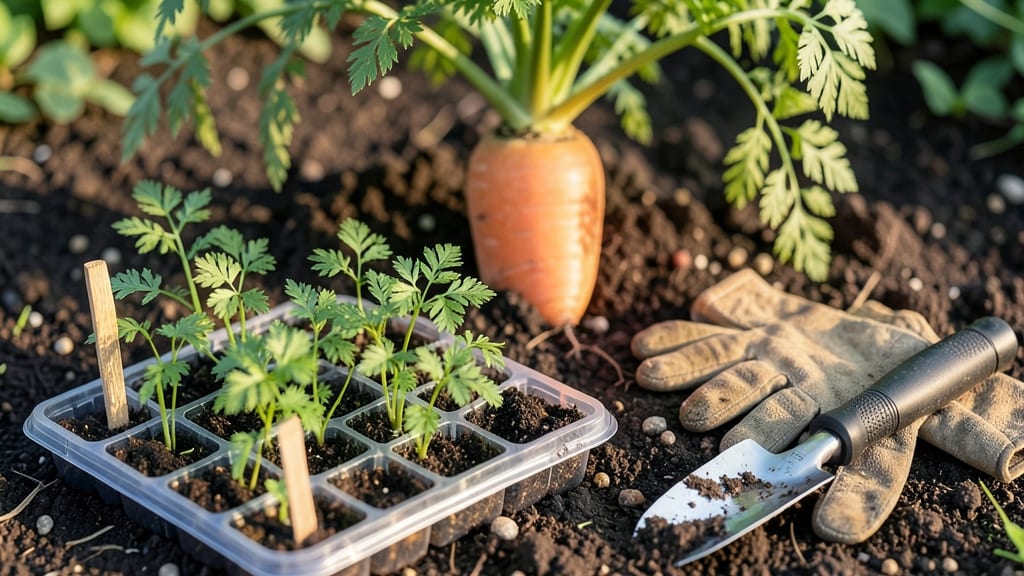
Knowing when to plant carrots in South Louisiana is the secret to crisp, sweet harvests that actually survive the heat and humidity. Unlike cooler climates where spring planting dominates, Louisiana’s 8b-9a zone lets you grow 🥕 twice a year—fall and spring—if you time it right.
Most gardeners here make the mistake of planting too late in summer, only to watch their carrots bolt or rot before they reach full size. The key? Start seeds in September-October for fall harvests or February-March for spring, when temperatures cooperate and soil stays workable.
But timing isn’t everything—your soil and variety choice matter just as much. In this guide, I’ll walk you through the exact planting windows, humidity-resistant varieties, and pro tips to avoid the most common pitfalls in Louisiana gardens.
Ready to grow carrots that actually thrive in your climate? Let’s get your garden set up for success—no more wasted seeds or disappointing harvests.
Best planting times for carrots in South Louisiana’s humid climate
South Louisiana’s hot, humid summers and mild winters create unique challenges for growing carrots. Unlike northern climates, you can’t plant them in late spring—heat causes bolting (premature flowering), while soggy soil leads to rot.
The key is timing: focus on fall and winter plantings when temperatures stay below 80°F.
Carrots thrive in USDA Zones 8b-9a, where frost dates range from mid-December to mid-January. This means your primary planting window is September through October, with a secondary chance in February to March for spring harvests. Let’s break down the best months and what to watch for each.
🌱 Did You Know? South Louisiana’s long growing season (240+ frost-free days) lets you grow carrots year-round—but only with the right varieties and timing. Skip summer plantings unless you’re using shade cloth or heat-tolerant hybrids.
| Planting Window | Ideal Months | Soil Temp | Harvest Time | Key Tips |
|---|---|---|---|---|
| Fall Planting | September–October | 60–75°F | November–December | Direct-seed after soil temps drop below 80°F; use row covers for early frost protection. |
| Winter Planting | February–March | 55–65°F | April–May | Choose short-day varieties like ‘Paris Market’; mulch heavily to retain moisture. |
| Avoid | May–August | Above 80°F | N/A | Heat causes bolting and bitter roots; only plant with shade cloth. |
For fall plantings, aim to sow seeds 6–8 weeks before your first frost (typically late October). This gives carrots time to mature before winter sets in. Use a soil thermometer to confirm temps are below 80°F—seeds won’t germinate well in heat.
If you’re planting in February or March, choose fast-maturing varieties (like ‘Little Finger’) to avoid summer heat stress. Start seeds indoors 4–6 weeks before transplanting to give them a head start. 🌡️ Pro Tip: Test soil moisture weekly—Louisiana’s humidity means roots can rot if soil stays soggy.
One common mistake is planting too late in spring. By April, daytime temps often exceed 85°F, triggering bolting. Instead, opt for late-winter plantings (January) with row covers to extend the season. This lets you harvest crisp roots in March before the heat peaks.
For year-round success, succession plant every 2–3 weeks during your ideal windows. This ensures a continuous harvest and reduces pressure on your soil. Pair carrots with companion plants like radishes or onions to deter pests and improve soil structure.
Remember: South Louisiana’s clay-heavy soils need amendments like compost or sand to prevent forked roots. Work in 2–3 inches of organic matter before planting, and keep beds weed-free—competition stresses young seedlings.
With the right timing and soil prep, you’ll enjoy sweet, homegrown carrots from November through May. Avoid summer plantings unless you’re using heat-tolerant varieties and shade protection. 🥕 Happy growing!
Best planting times for carrots in South Louisiana’s humid climate
South Louisiana’s hot, humid summers and mild winters create unique challenges for growing carrots. Unlike northern climates, you can plant carrots twice a year—fall and spring—to avoid the scorching heat that causes bolting.
Timing is everything, so let’s break down the ideal planting windows and month-by-month strategies tailored to your region’s USDA Zone 8b-9a conditions.
For fall harvests, aim to plant September through early October. This gives carrots 80–90 days to mature before the first frost (typically around mid-December).
If you plant too late, your crop may struggle with cool soil temperatures and fungal diseases like Alternaria leaf spot, which thrives in Louisiana’s damp air. For spring harvests, plant late February to early March to avoid the heat stress of summer.
If you’re new to Louisiana gardening, soil temperature is your best friend. Carrot seeds won’t germinate below 55°F or above 85°F. Use a soil thermometer to check before planting—60–75°F is ideal.
Pro tip: Water your seeds with a spray bottle to keep the soil evenly moist until germination (about 10–14 days). Overwatering can lead to rot, while underwatering causes poor germination.
Another critical factor is frost dates. While Louisiana rarely sees hard freezes, light frosts in December can damage young carrot foliage. If you plant in late October, use row covers or straw mulch to protect tender seedlings.
For spring plantings, wait until after the last frost (usually mid-February) to avoid seed rot in cold, wet soil.
For year-round success, consider succession planting. Sow a small batch every 2–3 weeks from September to October and again in February to ensure a continuous harvest. This method also reduces the risk of pest infestations like carrot rust fly, which thrive in Louisiana’s humidity.
Pair carrots with onions or garlic in your garden beds—their strong scent deters pests naturally.
Finally, avoid planting in heavy clay soil common in Louisiana. Carrots need loose, well-draining soil to grow straight and avoid forking. Amend your beds with compost or sand before planting. With the right timing and soil prep, you’ll enjoy crisp, homegrown carrots even in our challenging climate! 🌱