
Plants
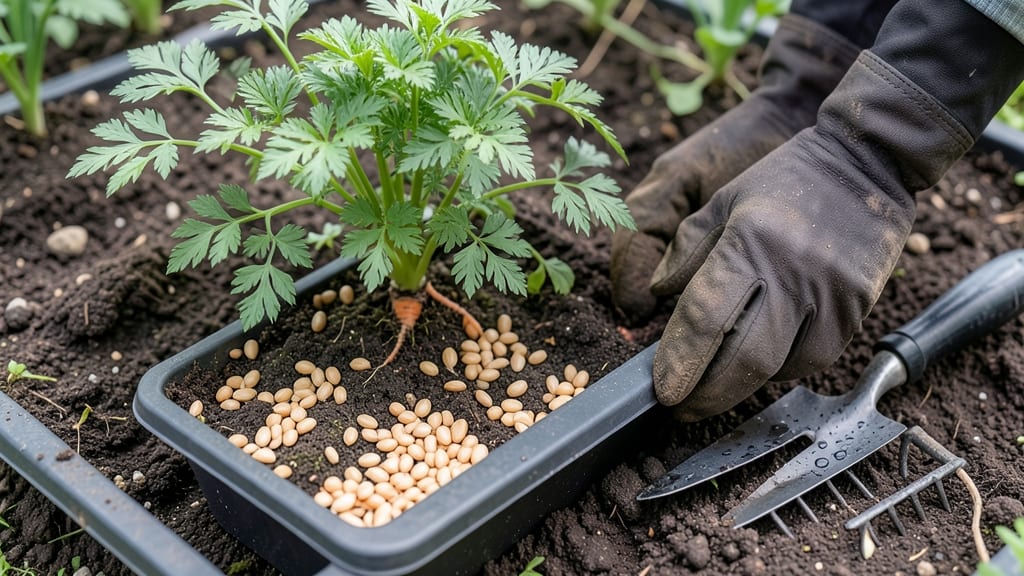
Knowing when to plant carrots in Zone 6 makes the difference between sweet, crisp 🥕 harvests and bitter, woody failures. The secret lies in timing—plant too early, and frost zaps your seedlings; too late, and your roots mature into tough sticks instead of tender treats.
In Zone 6 (General), your best window opens 2–3 weeks before your last frost date—typically mid-March for most areas. But don’t stop there: late summer plantings (8–10 weeks before first frost) give you a second harvest when spring’s bounty fades.
I’ll show you exactly how to align your planting with Zone 6’s unpredictable climate for foolproof results.
Whether you’re a first-time gardener or a seasoned grower, these deadlines and soil prep tips will help you avoid common mistakes. From succession planting to frost protection, I’ll break down the game-changer strategies that keep your carrots thriving—no guesswork required.
Ready to grow carrots that rival the grocery store’s best? Let’s dive into the exact weeks, soil secrets, and frost-smart tactics that’ll turn your garden into a 🥕 powerhouse this season.
Zone 6 carrot planting calendar: exact weeks before last frost
In Zone 6, the last frost date typically falls around April 15, but this varies by microclimate—even within 50 miles. For example, Indianapolis averages 2–3 weeks earlier than Pittsburgh.
To grow crisp, sweet carrots, aim to plant 2–3 weeks before your local last frost date, when soil temperatures reach 50°F.
Carrots thrive in cool weather and bolt (go to seed) in heat over 80°F. In Zone 6, this means your best planting window is mid-March to early April for spring crops.
For a fall harvest, sow seeds 8–10 weeks before the first frost (usually late July to early August), ensuring roots mature before winter sets in.
Here’s the Zone 6 carrot planting calendar broken down by season, including soil prep and frost risk:
| Season | Planting Window | Soil Temp | Frost Risk | Action |
|---|---|---|---|---|
| Spring | Mid-March to early April | 50–60°F | Low (after last frost) | Sow seeds ¼" deep, thin seedlings to 2" apart. |
| Late Spring | May (for quick harvest) | 55–65°F | None | Use shade cloth if temps exceed 75°F. |
| Fall | Late July to early August | 60–70°F | High (first frost Oct 15) | Plant 8–10 weeks before frost; cover with row fabric for protection. |
| Winter (hardy varieties) | Early September | 50–60°F | Very High | Use cold frames or mulch heavily for overwintering. |
For Zone 6b (colder microclimates like Cincinnati), push spring planting to late March to avoid late frosts. In Zone 6a (warmer areas like Lexington), you can start as early as mid-February under row covers for a jump-start.
Pro tip: Test your soil’s drainage before planting—carrots hate soggy soil. Amend with compost or sand if your garden holds water. Rocky or compacted soil will cause forked roots, so loosen the top 12 inches with a broadfork.
If your last frost date is later than average (e.g., May 1 in some Zone 6 pockets), adjust your planting schedule accordingly. Use the National Weather Service or local cooperative extension office for hyper-local frost data.
For succession planting (to extend harvests), sow new seeds every 2–3 weeks until mid-July. This ensures a continuous supply of fresh carrots without the woody texture that comes from over-mature roots.
Remember: Carrots are cool-season crops, so avoid planting when daytime highs exceed 75°F. If summer heat rolls in early, opt for short-day varieties like 'Paris Market' or 'Little Finger', which mature faster.
Zone 6 carrot planting calendar: exact weeks before last frost
In Zone 6, your carrot planting window hinges on soil temperature and frost dates. Most regions experience their last frost around April 15, but microclimates can vary by 1-2 weeks.
For crisp, sweet carrots, aim to plant 4-6 weeks before your area’s last frost date—typically mid-March to early April. This gives roots enough time to establish before summer heat arrives.
Carrots thrive in 50-85°F soil temperatures. In Zone 6, soil usually reaches 50°F by late March, making this the ideal time to start sowing. Use a soil thermometer to confirm—carrots won’t germinate well in colder soil.
If your spring is unpredictable, opt for cold-hardy varieties like 'Chantenay' or 'Danvers' for earlier planting success.
| Stage | Action | Zone 6 Timeline |
|---|---|---|
| Soil Prep | Loosen soil, remove rocks, add compost | Late February - Early March |
| First Planting | Sow seeds 1/4" deep, 2" apart | Mid-March - Early April |
| Succession Planting | Sow every 2-3 weeks until June | April - June |
| Fall Planting | Sow 8-10 weeks before first frost | Late July - Early August |
| Harvest Window | Pull when roots reach 1/2" diameter | June - October |
Don’t overlook fall planting in Zone 6! Sow carrots again in late July or early August, about 8-10 weeks before your first frost (typically October 15).
This second crop often yields the sweetest roots since cooler fall temperatures prevent woody texture. Use row covers if nights dip below 40°F to protect tender seedlings.
For northern Zone 6 areas (like Pittsburgh), err on the side of earlier planting—start by late March to account for later frosts. In southern Zone 6 (e.g., Cincinnati), you can push planting to early April safely.
Always check your local frost dates—they can shift yearly due to climate patterns.
Pro tip: Direct sow carrots instead of starting indoors—they hate transplanting and develop forked roots from disturbance. If you’re short on space, try container growing with deep pots (at least 12 inches deep) filled with sandy loam soil. Just
Timing your carrot harvest right is just as critical as planting. Most varieties mature in 60-80 days, so plan your last spring planting by early June to avoid bolting (flowering) from summer heat. Fall-planted carrots often mature faster in cooler temps, giving you a second harvest before winter sets in.