
Plants
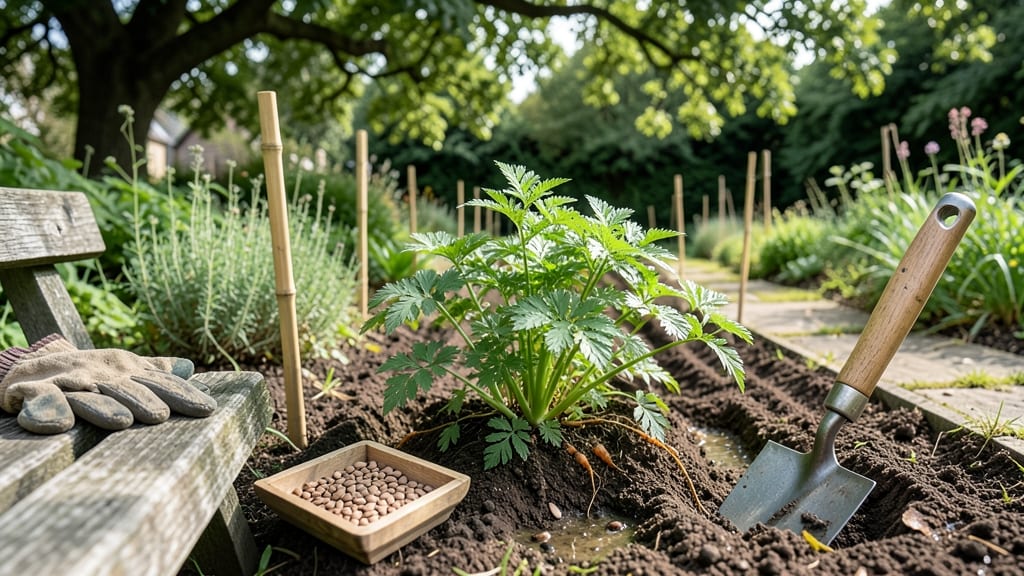
Fall carrot planting timeline: exact dates by US hardiness Zone
Timing your fall carrot planting correctly means the difference between sweet, crisp harvests and bitter, stunted roots. Since carrots need 60-80 days to mature, you must plant them 4-6 weeks before your first frost date—no earlier, or they'll bolt, and no later, or they won't fully develop.
Let's break down the exact windows for your USDA hardiness zone.
First, check your average first frost date (find it via the USDA Plant Hardiness Zone Map). Subtract 60 days for early-maturing varieties or 80 days for heirlooms.
For example, if your frost hits October 15, plant between August 15 and September 15 for a 12-week harvest before winter sets in.
🥕Pro Tip: Use a planting calendar like Johnny's Selected Seeds or your local cooperative extension service for zone-specific advice.
| USDA Zone | First Frost Date | Ideal Planting Window | Harvest Window | Best Varieties |
|---|---|---|---|---|
| Zones 3-5 | Mid-September to October 15 | August 15 - September 15 | October 1 - November 15 | Danvers Half Long, Chantenay |
| Zones 6-7 | October 15 - November 1 | August 30 - September 30 | October 15 - December 1 | Nantes, Paris Market |
| Zones 8-10 | November 15 - December 15 | September 15 - October 15 | November 1 - January 15 | Rainbow, Purple Haze |
| Southern Hemisphere (Australia/NZ) | May 15 - June 15 | March 15 - April 15 | June 1 - July 15 | Nelson, Short 'n Sweet |
*Adjust dates 1-2 weeks earlier for high-altitude areas or 1-2 weeks later for coastal regions.
For northern climates (Zones 3-5), aim to plant by September 15—any later, and your carrots may not reach full size before ground freezes.
In warmer zones (8-10), you can stretch planting until October 15, but avoid planting after November 1, or roots will taste woody. Southern Hemisphere gardeners should plant in March-April for winter harvests.
Soil temperature is just as critical as frost dates. Carrot seeds won’t germinate below 50°F (10°C). Use a soil thermometer to confirm warmth—if it’s cooler, wait or use black plastic mulch to warm the soil faster.
I’ve had seedling failures in Zone 5 when planting too early without warming the soil first.
🌱Key Insight: Short-day varieties (like Danvers) handle fall better than long-day types, which may bolt prematurely. Always check seed packets for “fall-harvest recommended” labels.
If you’re unsure about your zone, plant a test batch in late August and monitor growth. Carrots planted in early September often yield the sweetest roots because cooler nights boost sugar content.
Just be ready to harvest before hard frost—even if roots aren’t fully sized, they’ll still be edible and delicious.
⏰Time-Saver Tip: Use row covers to extend your harvest window by 2-3 weeks in cold zones. I’ve added floating row covers in late October and still harvested crisp carrots in early November!
How to extend carrot harvests through frost: soil prep and succession planting tips
Fall-planted carrots thrive when given the right conditions to mature before frost. The key lies in soil preparation and strategic planting schedules—both of which can push your harvest window by 2-3 weeks or more.
Start by testing your soil’s drainage and warmth, as cold, compacted soil slows root development. Amend it with compost or aged manure to improve texture and fertility, ensuring roots grow straight and sweet.
For regions with early frosts, consider black plastic mulch or straw bales to warm the soil by 5-10°F. This simple trick accelerates germination and gives seedlings a head start.
I’ve found that planting under clear plastic tunnels (even DIY versions) can extend the season by 4-6 weeks, shielding tender carrots from light frosts while still allowing sunlight.
Here’s the game-changer: succession planting. Instead of one big batch, sow seeds in 2-week intervals starting 8-10 weeks before your first frost. This staggered approach ensures a continuous harvest—some carrots mature before others, giving you fresh roots for weeks.
For example, in Zone 5, I plant the first batch in early September, followed by two more in mid-September and late September.
Don’t overlook shade cloth for late-season planting. A 30-50% shade cloth reduces heat stress on seedlings while still allowing light through. I’ve used it in August plantings to prevent bolting (when carrots flower prematurely) in hot climates.
Pair this with drip irrigation to keep soil evenly moist—carrots hate dry spells, which lead to forked or bitter roots.
For container growers, choose deep pots (12+ inches) and plant short varieties like ‘Paris Market’ or ‘Little Finger’. These mature faster and tolerate cooler temps better. Place pots in sunny spots and move them indoors (to a garage or basement) if frost threatens.
I’ve kept containers outside until mid-November in Zone 6 with minimal frost damage.
Finally, monitor weather forecasts and adjust your timeline. If a hard frost (below 20°F) is predicted, rush to harvest or protect plants with thick mulch (6+ inches). With these tips, you’ll enjoy homegrown carrots well into December—or until the ground freezes. 🥕🌡️