
Plants
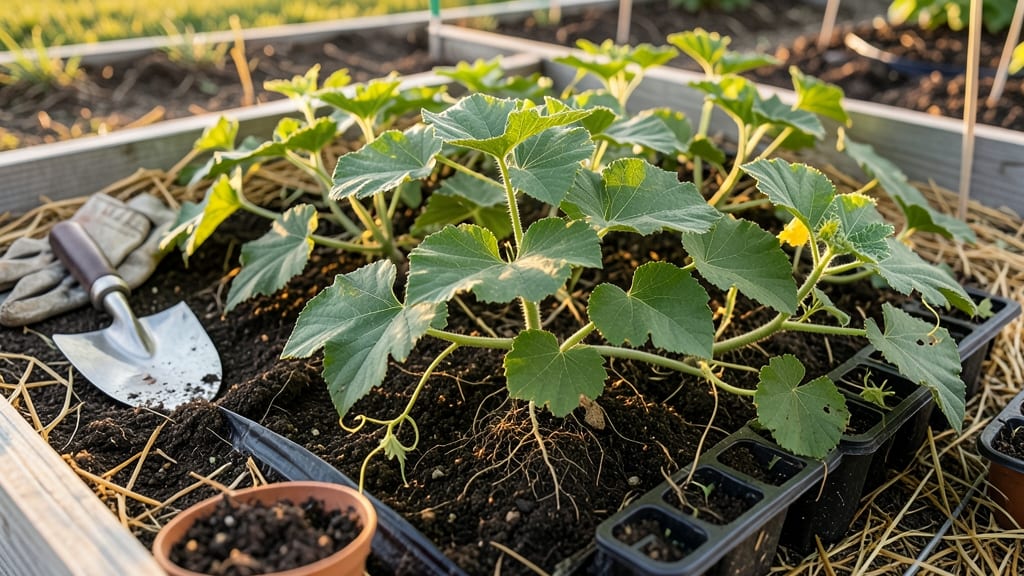
Timing your cantaloupe planting in Oklahoma is the difference between a bountiful harvest and a wasted effort. The late April to early May window gives your 🍈 vines the perfect head start, but one wrong move—like planting too soon—could mean frost damage or stunted growth.
Oklahoma’s USDA zones 6b-8a bring unique challenges, from unpredictable spring frosts to scorching summer heat. If you miss the ideal window, your cantaloupe might struggle to mature before the season shifts. The key is waiting until the soil hits 70°F and all frost risk has passed.
I’ve grown cantaloupes here for years, and I’ll show you exactly how to sync your planting with Oklahoma’s climate. You’ll learn the best varieties for your zone, how to protect young plants, and when to expect those sweet, ripe fruits ready for harvest in July or August.
Don’t let another season slip by—let’s get your cantaloupe garden on track for a successful, flavorful harvest. The right timing makes all the difference, and I’ll walk you through every step to ensure you get it right.
Oklahoma’s best planting windows for cantaloupe by heat Zone
Cantaloupe thrives in Oklahoma’s heat, but timing is critical—plant too early, and frost will kill your vines; too late, and summer’s intensity arrives before fruit ripens.
Oklahoma spans USDA zones 7a-8a, meaning planting windows vary by region. Let’s break down the ideal planting deadlines for each zone to ensure a bountiful harvest.
In Zone 7a (northern Oklahoma), the last frost typically arrives mid-April, but soil must reach 70°F (21°C) before planting. For Zone 7b (central Oklahoma), aim for late April to early May.
Meanwhile, Zone 8a (southern Oklahoma) offers a slightly longer window, with early April being safe for early varieties.
For all zones, transplant seedlings after frost risk has passed. Direct sowing is possible, but seedlings give you a head start.
Use black plastic mulch to warm soil faster in cooler zones like 7a. This small investment can mean the difference between a failed crop and a sweet, ripe cantaloupe harvest.
Here’s a quick reference for Oklahoma’s planting windows by zone:
| USDA Zone | Last Frost Date | Ideal Planting Window | Soil Temp Requirement | Transplant Ready |
|---|---|---|---|---|
| 7a (Northern OK) | Mid-April | Late April - Early May | 70°F+ (21°C+) | After May 1 |
| 7b (Central OK) | Early April | Late April - Mid-May | 70°F+ (21°C+) | After April 20 |
| 8a (Southern OK) | Late March | Early April - Early May | 70°F+ (21°C+) | After April 1 |
If you’re starting seeds indoors, begin 4-6 weeks before your zone’s last frost date. For Zone 7a, that means early March; for Zone 8a, late February works. Use grow lights to supplement sunlight if needed, ensuring seedlings get 12-14 hours of light daily.
For direct sowing, wait until soil temperatures consistently stay above 70°F (21°C). Use a soil thermometer to check—cantaloupe seeds won’t germinate well in cooler soil. In Zone 7a, this often means waiting until early May, while Zone 8a gardeners can start as early as mid-April.
Pro tip: Stagger your plantings every 2 weeks for a continuous harvest. This works especially well in Zone 7a, where a single planting might not produce enough fruit before summer’s end. Plant 3-4 seedlings per hill, spacing hills 4-6 feet apart to give vines room to sprawl.
Once planted, cantaloupe needs consistent moisture and full sun. Mulch around plants to retain soil moisture and regulate temperature. In Oklahoma’s 100°F+ summers, mulch is a game-changer—it keeps roots cool and reduces watering needs by up to 30%.
Harvest time arrives 75-90 days after planting, typically in July or August. Watch for the stem to slip easily from the vine and the rind to turn creamy yellow.
A ripe cantaloupe will also emit a sweet aroma at the stem end—this is your cue to pick it before pests or animals beat you to it!
How to adjust planting for Oklahoma’s unpredictable spring weather
Oklahoma’s spring weather is famously fickle—one day it’s 80°F and sunny, the next it’s a surprise frost. For cantaloupes, which hate cold soil and need consistent warmth to thrive, this unpredictability can be a nightmare.
But with the right strategies, you can outsmart Mother Nature and still get a bountiful harvest. The key is flexibility and proactive planning.
First, always check your local last frost date—not just the average, but the historical late frost for your specific Oklahoma county. In northern Oklahoma (Zone 7a), late frosts can linger into mid-April, while southern Oklahoma (Zone 8a) usually sees its last frost by early April.
Planting too soon? Your seedlings will wither overnight. Waiting too long? You’ll miss the optimal 70°F soil temperature cantaloupes crave.
Here’s my go-to trick for Oklahoma gardeners: use black plastic mulch or straw mulch to warm the soil faster. Lay it down 2-3 weeks before planting to create a microclimate that’s 5-10°F warmer than the surrounding soil.
This gives you a 2-week buffer to plant after the official last frost date while still ensuring your cantaloupes get the warmth they need to germinate.
Never plant cantaloupe seeds directly into cold soil—even a light frost (28°F) can kill young seedlings. If overnight temps dip below 50°F, cover seedlings with frost cloth or a row cover until danger passes. Transplants are slightly hardier but still need soil temps above 60°F to establish roots.
For extra insurance, I recommend staggered planting. Instead of planting all your seeds at once, sow half in early May and half in late May. This way, if the first batch struggles with unseasonably cool weather, the second batch will pick up the slack.
It also extends your harvest window from July into early August, giving you fresh cantaloupes longer.
Don’t forget about drought-proofing, either. Oklahoma’s spring can swing from drenching rains to dry spells in a week. To prevent blossom-end rot or poor fruit set, mulch heavily with straw or wood chips to retain moisture.
Water deeply once a week (1-2 inches) rather than daily shallow watering—this encourages deep root growth, which helps cantaloupes withstand heat stress later in the season.
Finally, keep an eye on your local weather forecasts and NOAA alerts. If a cold front is predicted after you’ve planted, have row covers ready to throw over your seedlings.
With these adjustments, you’ll beat Oklahoma’s weather and enjoy sweet, homegrown cantaloupes every summer. The secret? Plan ahead, stay flexible, and don’t be afraid to adapt.