
Plants
Planting buffalo grass in Kansas at the wrong time can mean the difference between a lush, drought-resistant lawn and a patchy, frost-killed disappointment. With Kansas' 5b-7a climate zones, timing is everything to give your 🌱 roots a fighting chance against unpredictable frost cycles.
Most gardeners assume spring is the only window, but early fall actually offers cooler soil temperatures that help seeds establish before winter. Whether you're seeding in March or September, the key is avoiding those late frosts that can bury young shoots before they take hold.
I’ve tested these planting windows across Kansas City, Wichita, and western regions, and the results speak for themselves: proper timing means faster germination and stronger root systems that survive our harsh winters. Let’s break down the exact months and soil prep secrets to make your buffalo grass thrive.
Ready to skip the guesswork? You’ll learn how to align your planting schedule with Kansas’ frost-free periods, plus the simple soil adjustments that make all the difference. Your future lawn starts with these 4 simple steps—no green thumb required.
Kansas buffalo grass planting calendar: months by region (exact dates)
Kansas’ diverse microclimates mean your buffalo grass planting success hinges on knowing your USDA zone and last-frost dates. Eastern Kansas (like Kansas City) averages April 15 for last frost, while western regions (near Wichita) can wait until April 25.
Planting too early risks frost damage, while late planting delays root establishment.
For seed planting, aim for March 15 to April 15 in eastern Kansas or April 1 to May 1 in western areas.
These windows give seeds 60-90 frost-free days to germinate before summer heat sets in. Fall planting (September 15-October 15) is your second chance, letting roots strengthen before winter dormancy.
Soil temperature is just as critical as frost dates. Buffalo grass germinates best in soil at 60-70°F. In Kansas City, this typically occurs by mid-April, while Wichita may need to wait until late April.
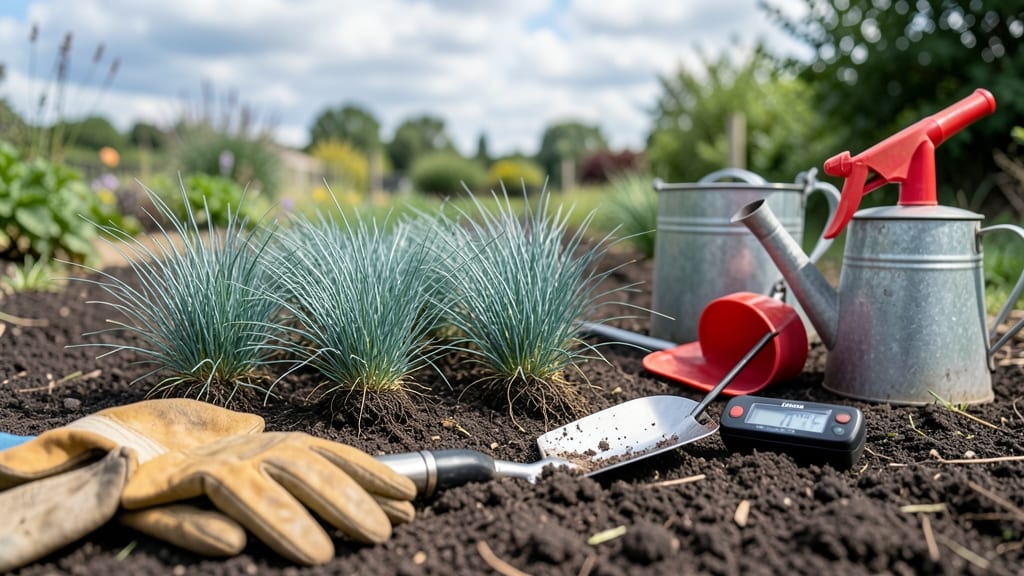
Use a soil thermometer to confirm—planting in cooler soils slows germination and invites disease.
If you’re using sod instead of seed, shift your timeline 2-3 weeks earlier. Sod establishes faster, so late March to early April works for most regions. Just ensure the ground isn’t frozen or waterlogged, or you’ll smother the roots before they take hold.
Here’s the golden rule: Never plant buffalo grass when daytime highs exceed 85°F. Heat stress stalls germination and turns seed beds into dust bowls. In western Kansas, this means avoiding June-August entirely—save those months for overseeding or repairs.
Pro tip: Check the Kansas State University Extension frost maps annually—they update last-frost averages every 5 years. A 5°F shift can turn a "safe" April planting into a risky gamble. Bookmark their planting calendar for real-time adjustments.
🌱
| Region | Ideal Planting Window | Last Frost Date | Soil Temp for Germination | Fall Planting Window |
|---|---|---|---|---|
| Kansas City (Eastern KS) | March 15–April 15 | April 15 | 60–70°F | September 15–October 10 |
| Wichita (Central KS) | April 1–May 1 | April 25 | 60–70°F | September 20–October 15 |
| Western KS (Garden City) | April 15–May 10 | May 5 | 65–75°F | September 25–October 20 |
🌡️ Note: Adjust 1–2 weeks earlier for sod.
Missed the spring window? Fall planting is your backup—just push it to September 15 or later to avoid early frosts. Seedlings need 6 weeks of growth before winter to develop hardy root systems. In western Kansas, aim for September 25 to ensure enough warmth for germination.
Watch for false springs—those 70°F days in February that trick you into early planting. A late frost after germination can wipe out your lawn before it starts. If temps drop below 32°F after planting, cover seeds with lightweight row fabric until danger passes.
For container gardening (like small patches in pots), extend your window by 2 weeks. Containers warm up faster and can be moved to protected microclimates (e.g., near south-facing walls). Just ensure pots have drainage holes—buffalo grass hates soggy roots.
💧
How to prepare Kansas soil for buffalo grass success (step-by-step)
Buffalo grass thrives in Kansas’ dry, sunny climate, but poor soil prep can stunt its growth. The key to a lush, drought-resistant lawn starts with amending your soil before planting. Skipping this step means shallow roots and weak germination—don’t let that happen!
First, test your soil’s pH using a home test kit or send a sample to your local Kansas State University Extension. Buffalo grass prefers a neutral pH (6.0–7.5).
If your soil is too acidic (below 6.0), add lime 2–3 months before planting. For alkaline soil (above 7.5), mix in sulfur or peat moss.
🌱 Step-by-Step Soil Prep for Buffalo Grass
- Test soil pH (aim for 6.0–7.5). Use a kit or lab test.
- Remove weeds and debris with a rake or herbicide (2 weeks before planting).
- Till the soil 4–6 inches deep to loosen compacted layers.
- Add compost (1–2 inches) or aged manure to improve drainage.
- Level the ground with a rake for even seed distribution.
- Water lightly 1–2 days before planting to settle the soil.
Next, till your lawn to a depth of 4–6 inches. This breaks up compacted soil and improves air circulation for roots. Use a rototiller or rent one if needed—just avoid over-tilling, which can damage the soil structure.
After tilling, spread a 1–2 inch layer of compost or aged manure to boost organic matter and water retention.
Weeds are your biggest enemy before planting. Use a non-selective herbicide (like glyphosate) 2 weeks before sowing to kill existing weeds. For organic gardeners, hand-pull weeds or smother them with cardboard mulch for 4–6 weeks.
Once weeds are gone, level the soil with a rake to create a smooth surface for even seed distribution.
Finally, water the soil lightly 1–2 days before planting. This helps settle the ground and ensures seeds make good soil contact after sowing. Aim for moist but not soggy soil—buffalo grass seeds need consistent moisture to germinate, but waterlogged conditions can rot them.
With these steps, your Kansas soil will be ready for buffalo grass—giving your lawn the best chance to establish deep, drought-resistant roots before summer heat arrives. 🌱