
Plants
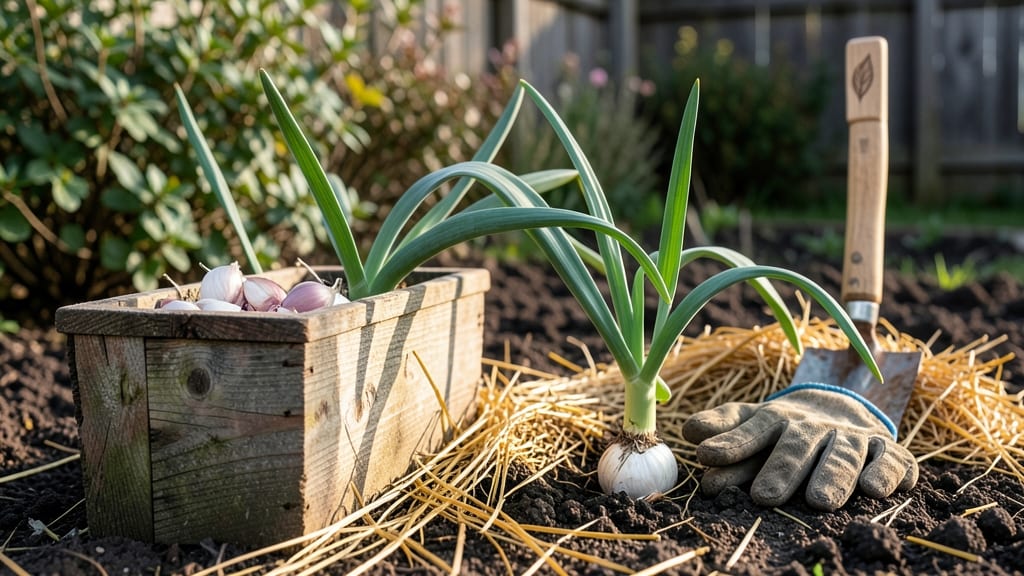
Planting garlic in Tucson isn’t just about timing—it’s about surviving the desert’s extreme swings from 100°F summers to chilly winter nights. Get the months wrong, and you’ll either bake your cloves in heat or freeze them before they bulb up.
But nail it, and you’ll grow bold, flavorful 🧄 that puts grocery-store garlic to shame.
Here’s the secret: Tucson’s Zone 9b climate demands a narrow window—October to November—when soil cools enough for roots to establish before winter dormancy. Plant too early, and residual summer heat stresses the cloves; too late, and frost stunts growth.
I’ll break down exactly how to read your microclimate (low desert vs. foothills) and adjust for hardneck vs. softneck varieties.
You’ll also discover how Tucson’s dry air changes the game—why mulching isn’t just optional, and how to water without drowning (or dehydrating) your crop. Skip these steps, and you’ll end up with small, pithy bulbs instead of the plump harvest you’re dreaming of.
Let’s dive into the exact techniques that’ll turn your Tucson garden into a garlic powerhouse—no guesswork, just proven results for zero-frost survival and maximum flavor.
Tucson’s ideal garlic planting window: months and micro-climate zones
Tucson’s USDA Zone 9b climate creates a narrow but critical window for planting garlic cloves—aim for mid-October to early November when soil temperatures drop below 80°F but stay above 50°F.
This timing ensures roots establish before winter dormancy while avoiding summer’s brutal heat, which can stress young plants and reduce bulb quality.
Why this timing? Hardneck varieties (like Silverskin or Purple Stripe) thrive in Tucson’s cool winters, forming scapes in spring, while softneck types (like Artichoke) tolerate slightly warmer conditions.
Planting outside this window risks either frost damage (if too early) or heat stress (if too late), both of which stunt bulb development.
Micro-climates matter in Tucson: Low desert areas (like Tucson International Airport) have warmer nights and may push planting to late November, while higher elevations (like Mount Lemmon foothills) can handle early October plantings. Use a soil thermometer to confirm 50–60°F soil temps before planting.
| Factor | Low Desert (e.g., Airport) | Mid-Elevation (e.g., Foothills) | High Elevation (e.g., Mount Lemmon) | Best Variety |
|---|---|---|---|---|
| Planting Window | Late Oct–Early Nov | Mid-Oct–Late Nov | Early Oct–Mid-Nov | Hardneck (e.g., German White) |
| Soil Temp Threshold | 55–60°F | 50–55°F | 45–50°F | Softneck (e.g., California Early) |
| Frost Risk | Low (Dec–Jan) | Moderate (Nov–Feb) | High (Oct–Mar) | Hardneck (better cold tolerance) |
| Moon Phase Tip | Rooting phase (waning moon) | Rooting phase (waning moon) | Rooting phase (waning moon) | All varieties |
| Harvest Window | Late June–July | Mid-June–July | Early June–Mid-July | Depends on variety |
Tucson’s first frost date (around December 15) acts as your deadline: Plant 4–6 weeks before to give roots time to anchor. For example, if your frost date is December 10, aim for October 20–November 1.
Use clove separation (break bulbs into individual cloves) 1–2 weeks before planting to ensure healthy sprouts.
Pro Tip: Test your soil’s pH (6.0–7.0) and amend with compost or aged manure if needed. Tucson’s alkaline soils often benefit from a sulfur amendment to improve nutrient uptake. A simple DIY test (vinegar + baking soda) can reveal pH issues before planting.
Hardneck varieties like German Red or Chesnok Red are ideal for Tucson’s climate, as they thrive in cooler winters and produce scape shoots (edible stems) in spring. Softnecks, such as Silverskin, are better for warmer micro-climates but may struggle with bolting if planted too late.
After planting, mulch heavily with straw or wood chips (3–4 inches) to insulate bulbs from temperature swings. This is especially critical in Tucson’s low desert, where daytime highs can spike to 90°F even in winter. Mulch also suppresses weeds and retains moisture in the dry desert air.
Remember: Garlic is a cool-season crop, so avoid planting in spring—Tucson’s 100°F+ summers will cause cloves to rot or bolt prematurely. If you miss the fall window, wait until next October; garlic won’t tolerate the heat of April–September.
🌱
5 Critical signs your Tucson garlic planting timing is perfect (or disastrous)
Timing garlic planting in Tucson’s USDA Zone 9b isn’t just about picking a month—it’s about reading your soil, climate, and even the moon. One wrong move, and your crop could suffer from moldy cloves or stunted growth.
Here’s how to spot the perfect window—or catch mistakes before they ruin your harvest.
First, your soil temperature must drop to 50–60°F (10–15°C) at a 6-inch depth. Use a soil thermometer in the late afternoon to check—this is your green light. Planting too early in warm soil triggers rapid sprouting, but the bulbs won’t mature properly before summer’s heat arrives.
Next, watch for moon phases. Tucson’s low humidity makes planting during a waxing moon ideal—it boosts root development. Avoid planting during a full moon, when moisture evaporates faster, leaving cloves vulnerable to drying out.
🔍 5 Signs Your Timing Is Off
- ⚠️ Yellowing leaves within 2 weeks? You planted too early—residual summer heat stresses the cloves.
- 🌱 Mold on cloves? Your soil was too moist and warm—wait until temps stabilize.
- 🌡️ Soil >60°F at planting? Roots won’t anchor before winter dormancy—delay by 2–3 weeks.
- 🌱 Sprouts emerge too fast? Your cloves were pre-sprouted—store them in a cool, dark place before planting.
- 🌱 No sprouts after 3 weeks? Soil may be too cold or compacted—amend with compost and replant.
For hardneck varieties, aim for October 15–November 15—they need cold vernalization to form bulbs. Softneck garlic, like Silverskin, is more forgiving and can go until December 1, but avoid planting after December 15—frost risk increases, and bulbs may not mature before summer.
Pro tip: Use a garlic planting calendar tailored to Tucson’s microclimates. Areas like Sahuarita (cooler) can plant slightly earlier, while Tucson’s urban heat islands may need a later start. Always test your soil’s drainage—garlic hates soggy roots, and Tucson’s clay-heavy soils need amending with sand or perlite.
If you see green shoots by January 1, your timing is spot-on. By March, your garlic should be 6–12 inches tall—a sure sign it’s thriving. Miss these cues, and you’ll end up with small, pungent bulbs instead of the plump, flavorful harvest you crave.