
Plants
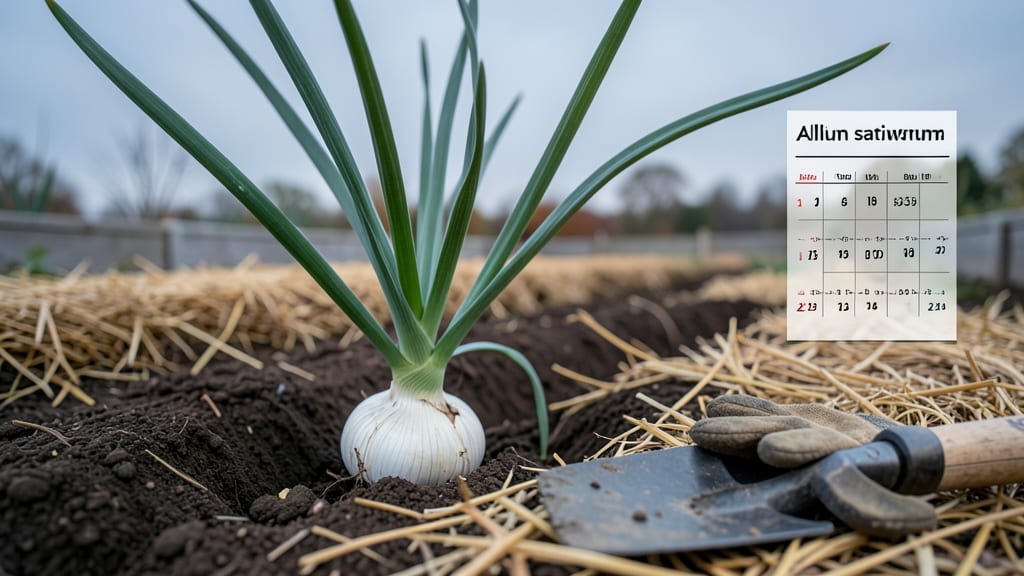
Planting garlic in Oregon at the wrong time can turn your 🧄 harvest into a flop—especially with our unpredictable weather. The secret to strong bulbs lies in timing it 4-6 weeks before the first hard frost, typically between October and November for most of the state's 7b-9a zones.
Hardneck varieties, like Rocambole, thrive when planted in fall, while softneck types can sometimes handle a late fall or even early spring window—but Oregon’s rainy season and frost risks mean precision matters.
I’ll show you exactly how to adjust for your specific microclimate, whether you're in the Willamette Valley, coastal areas, or the high desert.
Why does timing matter so much? Because garlic needs cold exposure to form bulbs, but too much rain or late frost can rot cloves before they mature. We’ll cover soil prep, mulching strategies, and the best varieties for Oregon’s climate—so you can go from clove to harvest with confidence.
Ready to grow garlic that rivals the best at farmers' markets? Let’s dive into the exact planting schedule, variety tips, and pro tricks to make your July-August harvest the best yet.
Best planting months for hardneck vs softneck garlic in Oregon
Oregon’s USDA zones 7b–9a create the perfect conditions for growing garlic, but knowing the exact planting window is critical. Unlike warmer climates, Oregon’s cool, wet winters and variable frost dates demand precise timing.
Plant too early, and your cloves may rot in soggy soil. Plant too late, and bulbs won’t mature properly. Let’s break down the ideal months for hardneck and softneck varieties across Oregon’s diverse microclimates.
Most Oregon gardeners aim to plant garlic between mid-October and mid-November, giving bulbs enough time to establish roots before winter dormancy. However, this window shifts slightly depending on your region.
The Willamette Valley (e.g., Portland) typically plants in late October, while coastal areas (e.g., Astoria) may start as early as mid-September to avoid winter waterlogging. High-desert regions like Bend often wait until early November to avoid early frosts.
Hardneck varieties—like Rocambole and German White—are Oregon’s top choice because they thrive in cooler climates. These need 10–12 weeks of cold temperatures (below 40°F) to form bulbs, so planting in October ensures they get the chill they need.
Softneck varieties, like Silverskin, are less common in Oregon but can be planted slightly later, up to mid-November, if your winter is mild.
Here’s how Oregon’s microclimates affect planting:
| Region | Best Planting Window | Key Consideration | Variety Recommendation |
|---|---|---|---|
| Willamette Valley (Portland, Salem) | Late October – Early November | Moderate winters; avoid soggy soil | Rocambole, German White |
| Coastal (Astoria, Newport) | Mid-September – Late October | High humidity; plant early to dry out | Artichoke, Purple Stripe |
| High Desert (Bend, La Pine) | Early November – Mid-November | Cold winters; delay planting | German Red, Music |
| Southern Oregon (Medford, Ashland) | Mid-October – Early November | Warmer microclimates; plant slightly earlier | Creole, Silverskin |
If you miss the fall window, you can plant garlic in early spring (March–April), but bulbs will be smaller and less flavorful. Spring-planted garlic skips the cold vernalization period, which is crucial for bulb development.
For best results, stick to fall planting and use Oregon’s first hard frost as your guide—aim to plant 4–6 weeks before the ground freezes.
Pro tip: Check your local Oregon State University Extension frost date maps for precise timing. For example, Portland’s average first frost is November 15, so planting by October 15 gives garlic enough time to root before winter sets in.
In contrast, Eugene’s later frost date (around November 20) allows for a slightly later planting window.
Hardneck varieties also produce scape (the curly stem) in late spring, which signals bulb maturity. If you’re growing Rocambole or German White, harvest scapes in May–June to encourage larger bulbs—but don’t remove them if you’re growing for seed.
For softneck varieties like Silverskin, which are less common in Oregon, focus on well-draining soil and avoid planting in areas prone to winter waterlogging. These varieties are better suited for milder microclimates, such as Southern Oregon or protected garden beds.
Remember: Oregon’s rainy season means garlic needs raised beds or mounded soil to prevent rot. If your soil stays soggy, opt for container growing or amend beds with compost and sand to improve drainage. This adjustment alone can mean the difference between a thriving crop and a failed one.
Best planting months for hardneck vs softneck garlic in Oregon
Oregon’s mild, rainy winters create perfect conditions for growing garlic, but the timing matters more than you might think. Planting too early or late can lead to rotten cloves or stunted bulbs.
For hardneck garlic, aim for October to early November, while softneck varieties can handle a slightly later window—November to early December. These timing differences align with Oregon’s USDA zones 7b–9a and regional microclimates.
In the Willamette Valley, where winters are wetter, planting hardneck garlic in late October ensures it establishes roots before heavy rains arrive. Meanwhile, coastal areas like Astoria can push planting to early November due to milder temperatures.
High desert regions like Bend may even start as early as September to avoid early frosts.
Here’s how to match your garlic type to Oregon’s planting windows for the best harvest:
| Garlic Type | Best Planting Months | Key Considerations | Oregon Regions |
|---|---|---|---|
| Hardneck | October–Early November | Needs cold vernalization; plant before ground freezes | Willamette Valley, Eugene, Corvallis |
| Softneck | November–Early December | More frost-tolerant; better for wetter winters | Coastal (Astoria, Newport), Western Oregon |
| Both Types | September (High Desert) | Avoid early frosts in drier areas | Bend, La Pine, Eastern Oregon |
For hardneck garlic, the 4–6 week window before the ground freezes is critical. This ensures the cloves vernalize (experience cold) and form scapes the following summer. Softneck garlic, on the other hand, is more flexible and can handle later planting because it doesn’t require vernalization.
This makes it ideal for Oregon’s rainy, unpredictable winters.
If you’re in Zone 8 or 9 (e.g., Medford or Roseburg), you might even squeeze in a spring planting for a smaller harvest, but fall planting is always the gold standard.
The key is to plant when soil temps drop to 50–60°F—a sure sign it’s time to get those cloves in the ground.
Pro tip: Use a soil thermometer to check temps. If your soil is still warm in November, wait another week. Cold soil helps prevent rot and encourages strong root growth, which is essential for large, flavorful bulbs next summer.