
Plants
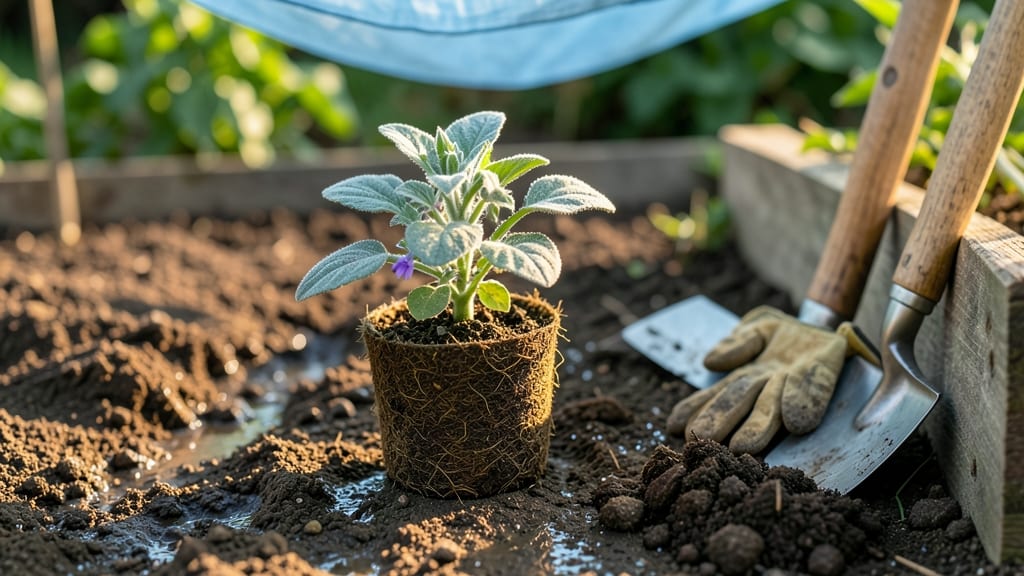
Timing your eggplant planting in Florida isn't just about avoiding frost—it's about beating the brutal summer heat that can turn your 🍆 into a sad, shriveled mess.
The state’s unique climate means you’ve got two prime windows to plant, but getting it wrong could leave you with stunted plants or no harvest at all.
Most gardeners in Florida’s 8a-11 zones swear by starting seeds in March-April or August-September, when soil temperatures are just right for germination. But here’s the catch: North Florida’s cooler pockets need a slightly earlier start, while South Florida’s year-round warmth lets you push boundaries.
Let me show you exactly how to match your planting schedule to your region’s microclimate.
You’ll also discover which heat-tolerant varieties actually thrive in Florida’s humidity and how to avoid the three biggest mistakes that kill eggplant yields before they even begin. Spoiler: It’s not what you think.
Ready to grow eggplants that look like they belong in a gourmet market instead of your backyard? Let’s dive into the exact months, soil secrets, and transplanting tricks that’ll give you a bumper crop—without the guesswork.
Best months to plant eggplant in Florida (with heat-zone breakdown)
Florida’s frost-free climate means eggplant can grow year-round in USDA zones 8a-11, but timing still matters. The key is avoiding peak summer heat (June-August) and targeting soil temperatures above 70°F for germination. In North Florida, cooler winters extend the growing season, while South Florida’s heat allows two harvests annually.
For zero-frost success, focus on two planting windows: spring (March-May) and fall (August-September). Spring plantings yield summer harvests, while fall plantings avoid extreme heat and produce fruit before winter’s mild chill. Let’s break it down by Florida’s three main heat zones.
🌱 Did You Know?
Here’s your Florida-specific planting schedule, including ideal soil temps, transplant windows, and harvest timelines for each zone.
In North Florida (Zones 8a-9a), aim for March 15-April 30 to avoid late-spring heatwaves. Seedlings should be hardened off and transplanted after the last frost date (March 15). For a fall crop, plant August 15-September 15 to harvest before winter’s mild chill slows growth.
Central Florida gardeners (Zones 9b-10a) enjoy a longer window: start seeds indoors by February 15 for outdoor transplanting by March 15. A second planting in July gives a fall harvest before temperatures drop below 60°F at night, which stresses eggplants.
For South Florida (Zones 10b-11), the rules change entirely. Plant year-round, but focus on January-March for spring harvests and July-September for fall yields.
Soil temps here rarely drop below 70°F, so germination is faster—just avoid peak summer (June-August) when humidity spikes and fungal diseases like powdery mildew thrive.
Pro tip: Use a soil thermometer to confirm temps. Eggplant seeds need 70°F+ soil to germinate; cooler temps delay sprouting. In North Florida, wait until soil hits 75°F for reliable growth. Mulch with straw or black plastic to warm soil faster in spring.
🌡️ Heat Tolerance Tip: Eggplants bolt (flower prematurely) in temps above 90°F. In South Florida, provide afternoon shade cloth (30-50%) during June-August to protect plants and extend fruiting.
Finally, transplant seedlings at the same depth they grew in pots to avoid stress. Harden off seedlings for 7-10 days before moving them outdoors, especially in North Florida’s cooler springs. Water deeply the day of transplanting to reduce shock.
Best months to plant eggplant in Florida (with heat-zone breakdown)
Florida’s year-round growing potential makes eggplant a fantastic choice, but timing still matters. Unlike northern states, you won’t deal with frost, but heat stress and humidity create their own challenges. The key is planting when soil temperatures stay above 70°F and avoiding Florida’s brutal summer heat waves.
Your USDA hardiness zone (8a-11) determines your exact planting window. North Florida gardeners (zones 8a-8b) have shorter windows than South Florida (zones 10a-11). Let’s break down the optimal planting months for each region to ensure your eggplants thrive.
Florida Eggplant Planting Schedule by Heat Zone
| Zone | Best Planting Window | Soil Temp Requirement | Key Considerations |
|---|---|---|---|
| North Florida (8a-8b) | March 15 - May 15 August 1 - September 15 |
70°F+ | Avoid June-July heat; use shade cloth if needed |
| Central Florida (9a-9b) | February 15 - April 30 July 15 - September 30 |
70°F+ | Can extend into early June with extra water |
| South Florida (10a-11) | January 15 - March 31 July 1 - October 15 |
75°F+ | Year-round potential with shade protection |
🌱 Pro Tip: Use a soil thermometer to confirm temperatures before planting
For North Florida gardeners, the spring window (March-May) is ideal because temperatures are warming but haven’t reached summer extremes. Start seeds indoors 6-8 weeks before your target transplant date. The fall window (August-September) gives you a second harvest before cooler weather arrives.
Central Florida enjoys the most flexibility with two clear windows. You can even experiment with early summer plantings (June) by providing afternoon shade and extra mulch. South Florida’s longer growing season allows for near year-round production, but peak summer heat (June-August) still stresses plants.
Always harden off seedlings for 7-10 days before transplanting. Acclimate them gradually to Florida’s intense sunlight and humidity to prevent shock. The right timing ensures your eggplants grow strong and produce high-quality fruit before the season changes.
Remember: Florida’s humidity levels can cause fungal issues, so proper spacing (18-24 inches apart) and good airflow are critical. With the right timing and care, you’ll enjoy a bountiful eggplant harvest twice a year—no frost worries needed! 🍆