
Plants
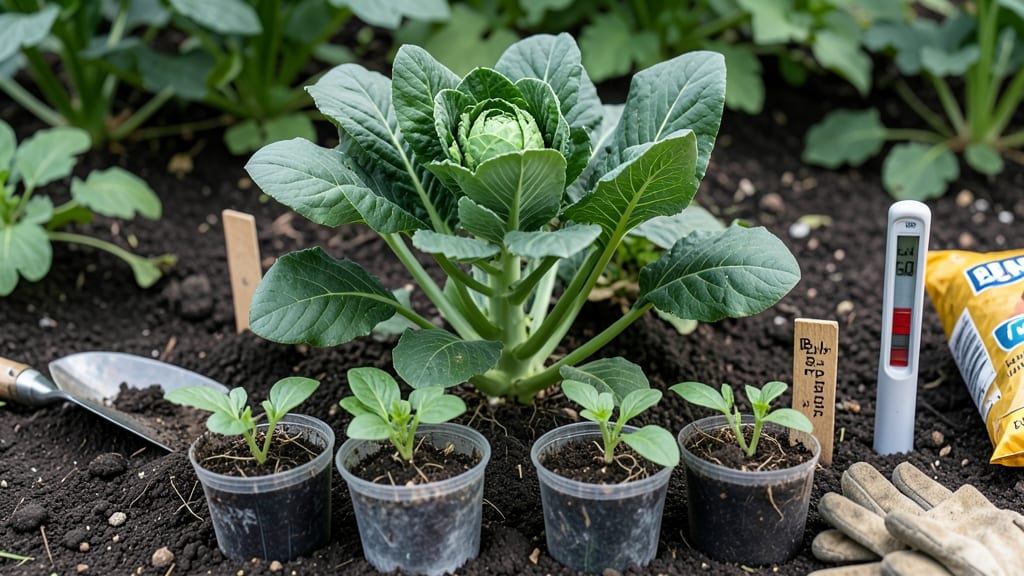
Timing your Brussel sprouts 🥬 planting in Oregon isn’t just about the calendar—it’s about mastering your microclimate. Whether you’re in Portland’s damp coastal zone or the drier Willamette Valley, getting it wrong means smaller harvests or bitter-tasting sprouts.
The secret lies in understanding when to plant for your specific USDA zone, whether that’s 7b inland or 9a along the coast.
Most gardeners in Oregon know mid-spring to early summer is the sweet spot, but the devil’s in the details. Coastal areas can start as early as March, while inland zones wait until April to avoid late frosts.
I’ve grown Brussels in both regions, and the difference in timing is what separates a thriving harvest from a disappointing one.
Here’s the game-changer: planting for frost. Coastal Oregon’s mild winters mean you can push harvests later, but inland growers need to time it perfectly to avoid early cold snaps.
I’ll break down exactly when to put those seeds in the ground—plus how to adjust for wet springs or dry summers—so you end up with sweet, plump sprouts ready by fall.
Ready to grow Brussels that taste like they came from a farmstand? Let’s dive into the coastal vs. inland planting secrets that’ll make your garden the talk of the neighborhood.
Oregon coastal vs inland planting dates for Brussel sprouts
Oregon’s diverse microclimates mean your Brussel sprout planting schedule should differ dramatically between coastal and inland regions. Coastal areas like Portland and Astoria enjoy milder winters and cooler summers, while inland zones such as Bend or Redmond experience hotter days and earlier frosts.
These differences directly impact your planting window and harvest timing.
For coastal gardeners, the optimal planting window stretches from mid-March to early May, allowing plants to mature before the first frost in late November. In contrast, inland growers should wait until mid-April to early June to avoid heat stress during summer months.
Understanding these regional variations ensures you avoid bitter sprouts or stunted growth.
🌱 COASTAL OREGON PLANTING GUIDE:
| Region | USDA Zone | Last Frost Date | Planting Window | First Frost Date | Harvest Window |
|---|---|---|---|---|---|
| Coastal | 8b-9a | March 15–April 15 | Mid-March to early May | November 15–December 15 | October–December |
| Inland | 7b-8a | April 15–May 15 | Mid-April to early June | October 15–November 15 | September–November |
If you’re in coastal Oregon, aim to plant Brussel sprouts between March 15 and April 15 for a fall harvest. This timing ensures your plants receive 60–90 days of growth before the first frost, which actually enhances sweetness.
Inland gardeners should target April 15 to May 15 to avoid summer heat stress, which can cause bitter-tasting sprouts.
For both regions, direct sowing is ideal, but starting seeds indoors 8–10 weeks before your last frost date gives you an edge.
Coastal gardeners can also take advantage of fall planting in August for a winter harvest, while inland growers should avoid late summer planting due to heat sensitivity.
One critical factor to watch is soil temperature. Brussel sprouts thrive in 45–65°F soil, so wait until the ground warms to at least 50°F before planting.
In coastal areas, this usually aligns with late March to early April, while inland regions may need to wait until mid-April to May.
Adjust your planting schedule if you experience unusually early or late frosts. Check the Oregon State University Extension Service for local frost alerts and use row covers to extend your growing season.
For example, if coastal frosts arrive early in October, protect your plants to delay harvest until November.
Another pro tip: Plant Brussel sprouts in succession every 2–3 weeks during your region’s planting window. This staggered approach ensures a continuous harvest from October through December in coastal areas or September through November inland. Succession planting also minimizes pest pressure and reduces the risk of disease spread.
Finally, choose cold-hardy varieties like 'Long Island Improved' for coastal regions, which tolerates mild winters and high humidity. Inland gardeners may prefer 'Tasty Purple', which handles hotter days and drier conditions better. Matching your variety to your microclimate is just as important as timing.
By aligning your planting schedule with Oregon’s microclimates and frost patterns, you’ll maximize your Brussel sprout yield and enjoy sweet, homegrown harvests all fall and winter. 🌿
Oregon coastal vs inland planting dates for Brussel sprouts
Oregon’s diverse climate means your Brussel sprout planting timeline should depend on whether you’re near the coast or inland. Coastal areas like Astoria and Portland enjoy milder winters, while inland zones like Bend or Hermiston face earlier frosts. Understanding these differences ensures your plants mature before cold snaps hit.
For coastal Oregon, aim to plant Brussel sprouts between March and May. The last frost typically occurs around March 15–April 15, giving you a 180–210 frost-free growing season.
In contrast, inland regions should plant between April and June, with last frost dates as late as May 15.
| Factor | Coastal Oregon | Inland Oregon |
|---|---|---|
| Planting Window | March–May | April–June |
| Last Frost Date | March 15–April 15 | April 15–May 15 |
| First Frost Date | November 15–December 15 | October 15–November 15 |
| Frost-Free Days | 180–210 days | 150–180 days |
| Ideal Planting Month | April | May |
If you’re in Zone 8b–9a (coastal), your Brussel sprouts need 90–120 days to mature. Planting in April ensures harvests by October–December, just before the first frost. Inland gardeners in Zone 7b–8a should prioritize May planting to avoid summer heat stress, which can make sprouts bitter.
Adjust your timeline if you experience early or late frosts. Check your local USDA zone and use a frost calendar from Oregon State University for precise dates. For example, Medford (Zone 8a) can plant slightly later than Eugene (Zone 8b) due to its hotter summers.
For direct sowing, wait until soil temps reach 45–50°F. Coastal soils warm slower, so start indoors 8–10 weeks before your last frost date. Inland areas can often plant directly once nighttime temps stay above 50°F, usually by mid-April.
Pro tip: Use row covers in early fall to extend your harvest window. This protects sprouts from light frosts while enhancing their sweetness. Just remove covers during the day to prevent overheating.