
Plants
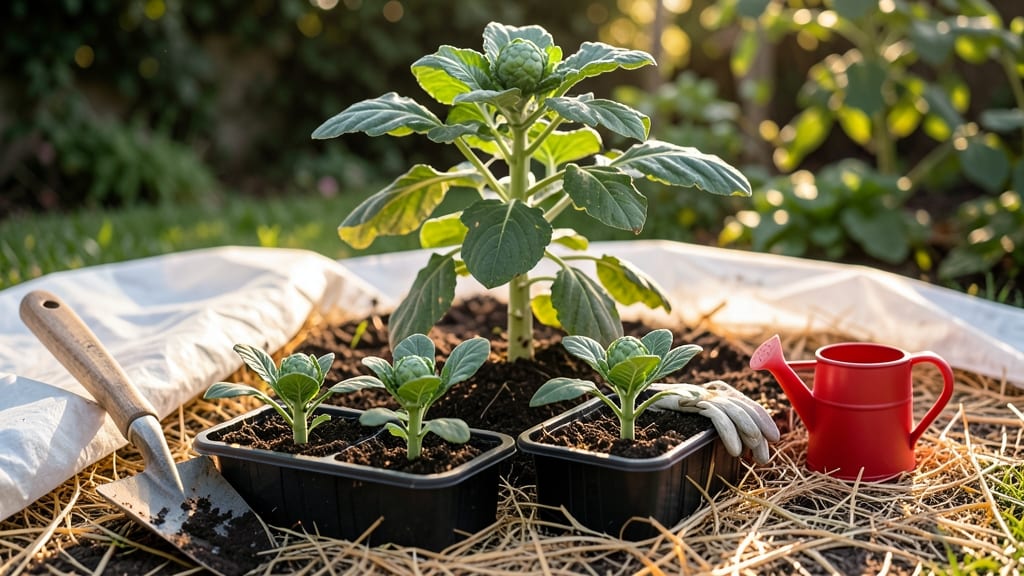
Planting Brussel sprouts 🥦 in Louisiana’s Heat Zone 9a isn’t just about timing—it’s about beating the heat before it beats your harvest. Miss the 90-day window, and you’ll end up with bitter, stunted sprouts or worse, a total bust.
The secret? Starting seeds in late summer when temperatures dip just enough to let these cool-weather crops thrive.
Louisiana’s long, humid summers might seem like the worst place for Brussels sprouts, but with the right approach, you can turn those sweltering months into prime growing season. The key is understanding how to work with—not against—the climate, from soil prep to frost timing.
I’ll walk you through the exact dates and adjustments you need to pull off a flavorful harvest from November through January.
Most gardeners in Zone 9a struggle with two big questions: When to plant for that perfect fall harvest, and how to keep sprouts from bolting in the heat. The answer lies in a 4-week window between August and September, where you’ll balance humidity, soil moisture, and temperature.
Let’s break down the steps to make it happen—without the guesswork.
You’ll also discover which heat-tolerant varieties perform best in Louisiana, how to spot the ideal planting moment, and why a little shade can save your crop from summer stress.
By the end, you’ll know exactly when to plant for sweet, crisp sprouts—and how to avoid the common pitfalls that trip up even experienced gardeners.
Louisiana’s 90-Day Brussels sprout planting calendar: exact start dates for fall & spring harvests
Brussels sprouts thrive in Louisiana’s mild winters but struggle with summer heat—so timing is everything. The 90-day harvest window is your golden rule: plant too early, and they bolt; too late, and they taste bitter.
For Heat Zone 9a, your best bets are fall planting (August-September) for a winter harvest or spring planting (February-March) for a summer crop (high-risk due to heat).
Louisiana’s first frost typically hits around December 1, giving you a 120-day growing season if you start early. Subtract 90 days from your target harvest date (November-January) to pinpoint your planting window.
For example, to harvest in December, plant by September 1. Use this as your baseline, then adjust for your specific microclimate.
Here’s your exact planting schedule for Louisiana, including direct sowing vs. transplanting timelines. The table below breaks down the critical dates for both fall (main crop) and spring (riskier) harvests, accounting for Louisiana’s humidity and heat tolerance of sprouts.
| Planting Method | Ideal Planting Window | Target Harvest | Days to Maturity | Louisiana Notes |
|---|---|---|---|---|
| Direct Sowing | August 15–September 15 | November–January | 90 days | Best for fall; use shade cloth in late summer. |
| Transplanting | July 1–August 15 | October–December | 80–90 days | Start seedlings indoors in June; harden off before transplanting. |
| Spring Direct Sowing | February 15–March 1 | May–June (high risk) | 90 days | Use shade cloth; expect lower yields due to heat. |
| Spring Transplanting | January 15–February 1 | April–May (high risk) | 80–90 days | Start indoors in December; provide afternoon shade. |
For fall planting, I recommend direct sowing in late August for a December-January harvest. This gives your sprouts enough time to mature before the heat of summer returns. If you’re transplanting, start seedlings indoors in June and transplant by mid-July to avoid stress from extreme heat.
Spring planting is riskier in Louisiana due to the 90+°F heat, but it’s possible with adjustments. Plant in February for a May-June harvest, but be prepared for bolting (premature flowering) if temperatures rise.
Use shade cloth (30-50%) to protect seedlings, and choose heat-tolerant varieties like 'Long Island Improved' or 'Ruby Ball'.
Pro tip: Louisiana’s humidity can lead to fungal diseases like
How Louisiana’s humidity and heat affect Brussels sprout growth: critical adjustments for success
Louisiana’s humid climate and summer heat create unique challenges for growing Brussels sprouts. Unlike cooler regions, your plants face higher humidity, which can lead to fungal diseases like downy mildew, and heat stress, causing them to bolt prematurely or develop bitter flavors.
The key to success lies in adjusting your care routine to match these conditions—think of it as giving your sprouts a cool, shaded retreat during peak summer.
First, soil moisture management becomes critical. Brussels sprouts need consistent moisture but hate soggy roots. In Louisiana’s heat, I recommend mulching heavily with straw or wood chips to retain moisture while preventing fungal growth.
Aim for 1-2 inches of water per week, delivered in the early morning to reduce evaporation and fungal risks. A drip irrigation system works best here—it keeps water off the leaves and delivers right to the roots.
Next, shade cloth is your best friend during Louisiana’s summer months. I’ve found that 30-50% shade cloth stretched above your plants can lower leaf temperatures by 10-15°F, preventing bolting. Install it by late June and remove it after the first frost in late fall.
Pair this with afternoon shade from nearby structures or taller plants to create a microclimate that mimics cooler growing conditions.
Pests like aphids and cabbage worms thrive in Louisiana’s humidity, so proactive pest control is a must. I swear by neem oil sprays applied every 7-10 days during the growing season. For heavier infestations, row covers can provide physical protection while still allowing light and air to pass through.
Avoid chemical pesticides—they can harm beneficial insects and leave residues on your edible sprouts.
Finally, choose heat-tolerant varieties to give yourself the best shot at success. Traditional varieties like ‘Long Island Improved’ struggle in Louisiana’s heat, but ‘Ruby Ball’ and ‘Titan’ handle humidity better and produce sweeter sprouts.
These varieties are bred to resist bolting and tolerate warmer temperatures, making them ideal for our climate. I’ve had the most success with ‘Ruby Ball’—its deep purple sprouts are sweeter and more flavorful after light frosts, which we get plenty of in Louisiana.
With these adjustments, you’ll be well on your way to growing sweet, flavorful Brussels sprouts that thrive in Louisiana’s unique conditions. The key is staying proactive—monitor your plants closely, adjust your care routine as needed, and don’t hesitate to use shade or mulch to create the perfect growing environment.
Your future harvest will thank you! 🥦