
Plants
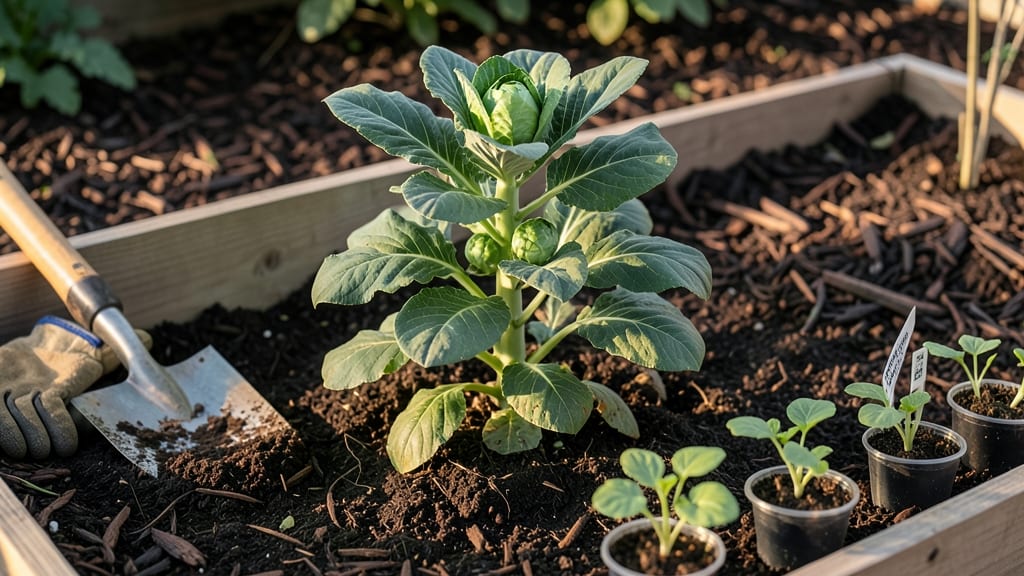
Timing is everything when it comes to growing Brussel sprouts 🥦—and in Zone 7, planting them too early or too late can leave you with bitter, underdeveloped sprouts (or worse, no harvest at all).
The key to a bountiful crop lies in understanding your last frost date and soil conditions, but even experienced gardeners sometimes miss the mark.
I’ve spent years perfecting my Brussel sprout schedule in Zone 7, and the difference between a disappointing harvest and a flourishing garden often comes down to those few weeks before your first frost.
Whether you’re starting seeds indoors or transplanting seedlings, knowing the exact window—8 to 10 weeks before frost—is non-negotiable for success.
But here’s the thing: Zone 7 isn’t one-size-fits-all. Coastal areas might have milder winters, while inland spots can get frost earlier. That’s why I’ll break down the optimal planting windows, how to adjust for staggered harvests, and even when to fertilize for maximum yield.
No more guessing—just science-backed timing for your 🥦 garden.
Ready to transform your fall garden? Let’s dive into the exact weeks you need to plant for a harvest that’ll make your neighbors jealous—and how to keep those sprouts thriving until winter sets in.
Optimal planting windows for brussel sprouts in Zone 7: exact weeks before last frost
Brussel sprouts are cool-weather lovers, and in Zone 7, timing is everything to avoid bitter-tasting harvests or failed crops. The ideal planting window spans from late July to early September, with two critical periods: early fall (for a fall harvest) and late summer (for a winter harvest).
Missing these windows can leave you with underdeveloped sprouts or plants that bolt in the heat.
To nail your planting schedule, start by calculating your average first frost date—typically around October 15 in Zone 7. Brussel sprouts need 80-100 days to mature, so you’ll want to plant 8-10 weeks before frost.
For example, if your first frost is October 15, aim for August 15 to September 1 for your main planting. This ensures your plants mature before cold sets in.
Here’s the key: soil temperature must be between 45°F and 85°F for seeds to germinate. If your soil is too hot (above 85°F), germination slows or fails.
Test your soil with a thermometer or wait until evening soil temps drop below 80°F. In coastal Zone 7 areas, you might push planting slightly later (early September), while inland regions should start earlier (mid-August) to avoid summer heat stress.
Now, let’s compare the two best planting strategies for Zone 7 using our planting timeline table below. This visual breaks down the exact weeks before last frost, soil prep, and transplanting tips to maximize your harvest.
| Planting Window | Weeks Before Last Frost | Soil Temp for Germination | Transplanting Tip | Harvest Window |
|---|---|---|---|---|
| Late Summer (Early Fall) | 8-10 weeks | 45°F–85°F | Hardy seedlings; transplant in evening | October–December |
| Early Fall (Staggered) | 10-12 weeks | 50°F–75°F (ideal) | Use row covers for young plants | November–January |
🌱 Pro Tip: For a continuous harvest, stagger plantings every 2-3 weeks from August through September.
If you’re starting seeds indoors, begin them 6-8 weeks before transplanting outdoors. Use a grow light or sunny windowsill, and keep soil temps at 70°F for consistent germination.
Once seedlings have 4-6 true leaves, they’re ready to harden off and transplant. In Zone 7, this usually means mid-July to early August for indoor starts.
One common mistake is planting too late, which forces brussel sprouts to mature in warm fall weather. This causes bitter flavors and poor development. To avoid this, monitor your local extended forecast and adjust planting dates if unseasonably warm weather is predicted.
For example, if September stays above 85°F, delay planting until early October for cooler soil.
After planting, focus on consistent moisture and rich soil. Brussel sprouts love well-draining soil with a pH of 6.0–7.0. Amend your garden bed with compost or aged manure before planting, and mulch with straw or shredded leaves to retain moisture.
Avoid over-fertilizing with nitrogen, which promotes leafy growth at the expense of sprout development.
Finally, don’t overlook pest prevention. In Zone 7, cabbage worms and flea beetles are common threats. Use row covers for young plants and handpick pests regularly. If aphids appear, spray with neem oil or introduce ladybugs for natural control.
With the right timing and care, your brussel sprouts will reward you with a sweet, flavorful harvest that lasts through winter.
Remember: Zone 7’s mild winters mean brussel sprouts can often survive light frosts, but a hard freeze will kill the plant. Plan to harvest before temps drop below 20°F, or use row covers to extend the season.
With these exact planting windows, you’ll avoid the pitfalls and enjoy a bountiful crop of homegrown brussel sprouts!
Optimal planting windows for brussel sprouts in Zone 7: exact weeks before last frost
Brussel sprouts love cool weather, but timing is everything in Zone 7. Plant too early, and they’ll bolt in summer heat; too late, and frost will ruin your crop.
The sweet spot? 8-10 weeks before your first frost date, which for most of Zone 7 lands in mid-August to early September. However, there’s a second window for adventurous gardeners: late summer for a winter harvest.
To pinpoint your exact dates, check your local USDA frost chart. For example, if your first frost is October 15, count back 9 weeks to land on early August for your first planting.
Remember, soil temperature should be at least 45°F (7°C)—any cooler, and germination slows to a crawl.
Here’s the kicker: Zone 7 varies wildly. Coastal areas like Savannah, GA might have milder winters, while inland spots like Nashville, TN face earlier frosts. Adjust your timeline by 1-2 weeks based on microclimates—higher elevations or windy spots need earlier starts.
| Planting Window | Weeks Before Frost | Soil Temp Requirement | Best For |
|---|---|---|---|
| Late Summer (August) | 8-10 weeks | 45°F+ (7°C+) | Fall harvest (Oct-Dec) |
| Early Fall (September) | 6-8 weeks | 50°F+ (10°C+) | Winter harvest (Dec-Feb) |
🌱 Pro Tip: Use row covers to extend your growing season by 2-3 weeks if frost threatens early.
For direct sowing, scatter seeds ½ inch deep and 18 inches apart in rows 2 feet apart. If starting indoors, sow 6-8 weeks before transplanting in biodegradable pots to avoid root shock. Harden off seedlings for 7-10 days before moving them outdoors.
Once planted, mulch heavily with straw or leaves to insulate roots and retain moisture. In Zone 7, light frost actually sweetens the sprouts, but hard frosts below 20°F (-7°C) will kill the plant. Time your harvest to beat the worst of winter’s chill!
Don’t forget: Brussel sprouts take 90 days to mature. If you miss the fall window, your only option is a spring planting—but be warned, summer heat will make them bitter. Plan ahead, and you’ll enjoy homegrown sprouts straight from your garden to the table! 🥦