
Plants
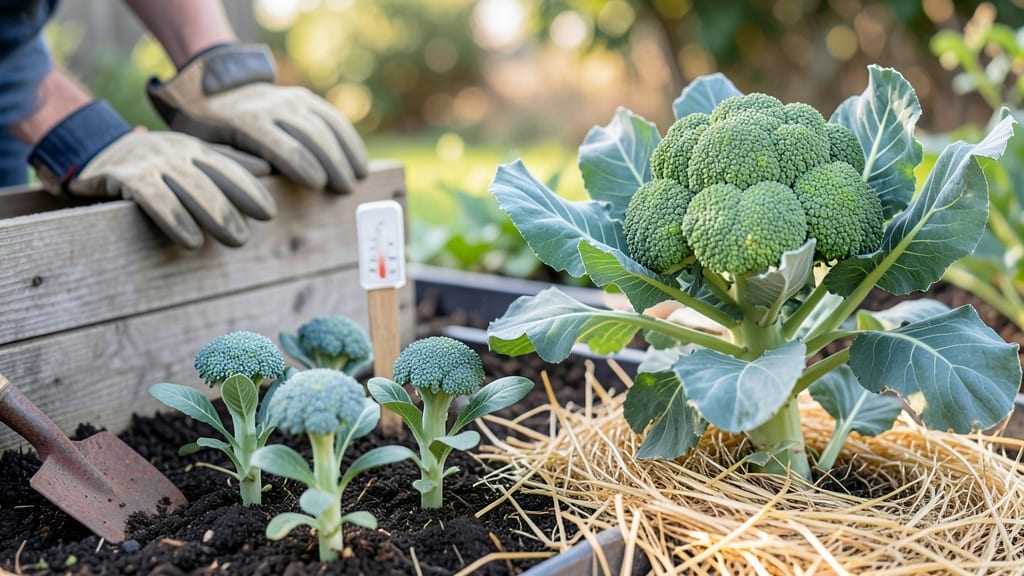
Timing your 🥦 broccoli planting in Colorado isn’t just about the calendar—it’s about outsmarting the state’s notorious frost swings and short growing seasons. Plant too early, and a late snowstorm could wipe out your crop; too late, and you’ll miss the sweet, tender heads Colorado gardeners crave.
Most gardeners in zones 5-7 swear by two planting windows: early spring (March–April) for late spring harvests or late summer (July–August) for fall crops. But here’s the catch—Colorado’s microclimates mean Denver’s last frost date differs wildly from Grand Junction’s, and high-altitude areas need extra precautions.
I’ve tested these strategies in my own garden, and the results speak for themselves: zero-frost harvests are absolutely possible with the right timing. Whether you’re a first-time planter or a seasoned pro, this guide will help you lock in the perfect window for your location—no guesswork included.
Ready to grow broccoli that’s bigger, healthier, and frost-proof? Let’s break down the exact dates and tricks that work in Colorado’s unpredictable climate.
Colorado broccoli planting zones: when to start seeds indoors vs. outdoors
Colorado’s diverse geography—from Denver’s USDA Zone 5 to Durango’s Zone 6-7—means your broccoli planting timeline depends heavily on elevation and microclimates. Front Range gardeners face earlier frosts than Western Slope growers, so timing is everything. Let’s break down when to start seeds indoors versus direct-sowing outdoors for each zone.
For indoor seed-starting, aim for 8-10 weeks before your last frost date. This gives seedlings a head start before transplanting outdoors. Direct sowing should happen 2-3 weeks before the last frost, but only if soil temperatures stay above 45°F—critical for germination.
Here’s how to adapt your schedule based on Colorado’s key regions:
| Region | USDA Zone | Indoor Start (Seeds) | Direct Sow (Outdoors) | Last Frost Date |
|---|---|---|---|---|
| Denver/Front Range | 5-6 | Feb 15 - Mar 15 | Apr 1 - Apr 15 | Apr 15 |
| Colorado Springs | 5-6 | Feb 20 - Mar 10 | Apr 5 - Apr 10 | Apr 10 |
| Fort Collins | 4-5 | Mar 1 - Mar 15 | Apr 15 - Apr 25 | May 1 |
| Grand Junction | 6-7 | Mar 1 - Mar 10 | Mar 20 - Apr 5 | Mar 25 |
| Durango | 6-7 | Mar 1 - Mar 15 | Apr 1 - Apr 15 | Apr 10 |
High-altitude areas like Fort Collins (Zone 4-5) need extra caution—delay planting until after May 1 to avoid late frosts. Meanwhile, Grand Junction (Zone 6-7) can start earlier, even as soon as March 20 for direct sowing.
Pro tip: Use row covers or cold frames to extend your outdoor planting window by 2-3 weeks in frost-prone zones like Colorado Springs. This protects seedlings from sudden temperature drops.
For fall harvests, calculate 90-100 days before your first frost (typically October 15 for most regions). Start seeds indoors in July for a late-season crop.
Remember, broccoli thrives in
Microclimate-specific planting calendar: from Denver to Durango
Colorado’s diverse geography means your broccoli planting dates should vary dramatically between Denver’s Front Range and Durango’s high desert. The key is understanding your local frost dates and soil temperatures—broccoli seeds need 45°F+ soil to germinate, while seedlings tolerate light frosts (28°F) if protected.
Below is a region-by-region breakdown of when to plant broccoli in Colorado, including last frost dates, ideal planting windows, and backup strategies for late frosts. Use this as your personalized planting guide to avoid common mistakes like bolting or frost damage.
| Region | Last Frost Date | Direct Sow Window | Indoor Start (8-10 wks prior) | Fall Planting Window | Key Risk |
|---|---|---|---|---|---|
| Denver/Front Range | April 15 | April 15–May 1 | February 15–March 1 | July 15–August 15 | Late spring frosts |
| Colorado Springs | April 20 | April 20–May 5 | February 20–March 5 | July 20–August 10 | Sudden cold snaps |
| Fort Collins | April 10 | April 10–April 25 | February 10–March 10 | July 10–August 5 | High altitude delays |
| Grand Junction | April 5 | March 20–April 5 | January 20–February 15 | June 20–July 15 | Early heat stress |
| Durango | May 10 | May 10–May 25 | March 10–April 1 | August 1–August 15 | Short growing season |
For high-altitude areas like Leadville or Aspen, push back planting dates by 2–3 weeks due to cooler soils. If you’re in a microclimate hotspot (e.g., urban Denver with heat islands), you may extend your fall planting by 10–14 days.
Pro tip: Use row covers or cold frames to protect seedlings if late frosts threaten. For fall planting, aim to harvest before October 15—after that, broccoli heads may bolt prematurely due to shorter days and cooler nights.
Always check your local CoCoRaHS station or Colorado State University Extension for real-time frost alerts. A 5°F dip can devastate unprotected plants, so plan accordingly!