Plants
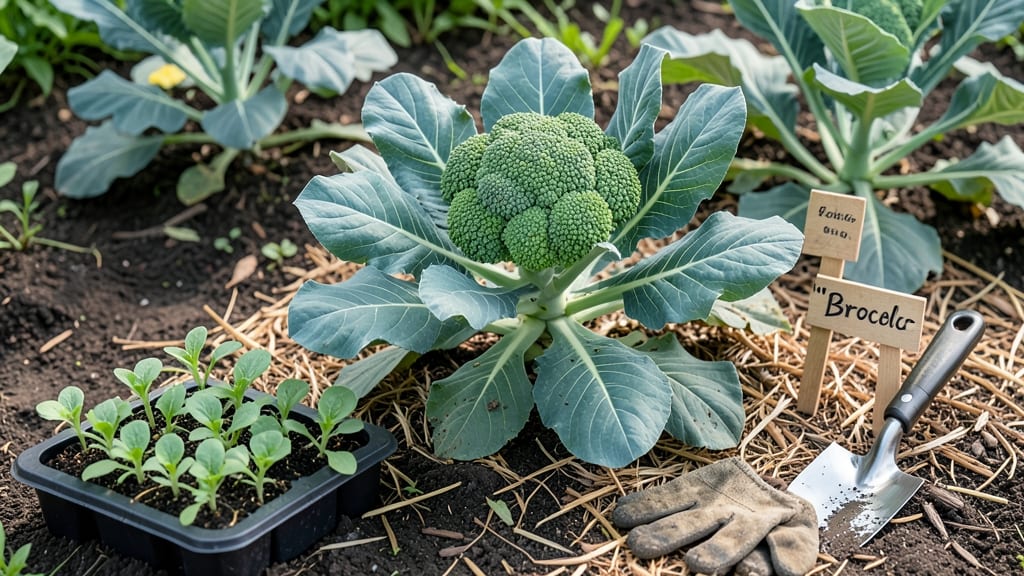
Timing your broccoli 🥦 planting in North Carolina isn’t just about following a calendar—it’s about outsmarting the state’s unpredictable shifts from sweltering Piedmont summers to chilly mountain frosts. Plant too early, and your plants bolt before you even see heads; too late, and frost steals your harvest.
But with the right schedule, you can enjoy crisp, homegrown broccoli from spring to fall—no guesswork required.
North Carolina’s three distinct growing zones (Coastal Plain, Piedmont, Mountains) each demand a unique approach. The last frost dates vary wildly—from early March in the Coastal Plain to late May in the high country—meaning your planting window must adapt.
I’ll break down the exact weeks before frost to start seeds indoors or set transplants, so you never risk bolting or frost damage again.
Whether you’re a first-time gardener or a seasoned grower, getting this right means fewer headaches and more harvests. We’ll cover soil prep, regional microclimates, and even how to extend your season with row covers—so you can enjoy fresh broccoli well beyond the typical summer window.
Let’s dive into the game-changer for NC gardeners.
By the end, you’ll know not just when to plant, but how to protect your crop through North Carolina’s quirks—so you can finally stop worrying and start reaping. Ready to turn your backyard into a broccoli powerhouse?
Broccoli planting calendar for North Carolina: exact weeks before last frost by region
North Carolina’s diverse climate—from the cool Mountains to the humid Coastal Plain—means your broccoli planting schedule should match your USDA zone. The key is planting 4-6 weeks before your last frost date to avoid bolting (when broccoli flowers prematurely).
For most of NC, this means mid-March to early April for spring and late August to early September for fall plantings.
But here’s the catch: Mountain regions (Zones 6-7) have later last frosts (around April 15-May 1), while Coastal areas (Zones 8a-9a) can plant as early as February 15-March 1.
The Piedmont (Zones 7b-8a) falls somewhere in between. Let’s break it down by region so you can pinpoint your exact planting window.
📅 Pro Tip: Use the NC State Extension’s frost date map to confirm your local last frost date. For most gardeners, it’s 3-4 weeks earlier than the official average to account for unpredictable spring weather.
🌱 Broccoli Planting Timeline by NC Region
| Region | USDA Zone | Last Frost Date | Spring Planting Window | Fall Planting Window |
|---|---|---|---|---|
| Mountains | 6-7 | April 15-May 1 | March 15-April 1 (transplants) / April 15-May 1 (direct sow) | August 15-September 1 |
| Piedmont | 7b-8a | March 15-April 1 | February 28-March 15 (transplants) / March 15-April 1 (direct sow) | August 1-September 1 |
| Coastal Plain | 8a-9a | February 15-March 1 | February 15-March 1 (transplants) / March 1-April 1 (direct sow) | July 31-August 15 |
💡 Note: For direct sowing, plant seeds 4-6 weeks before your last frost. For transplants, start seeds indoors 6-8 weeks before transplanting.
If you’re starting seeds indoors (which I recommend for a head start), begin 6-8 weeks before your target transplant date. For example, Coastal gardeners should start seeds indoors around January 15, while Mountain gardeners can wait until February 1.
Use grow lights if natural light is limited—broccoli needs 12-14 hours of light daily to prevent leggy seedlings.
For fall harvests, aim to plant 90-100 days before your first frost. In NC, this typically means late summer (August). Fall-planted broccoli often tastes sweeter because cooler temps slow down growth, letting the plant focus on flavor instead of size.
Just be sure to choose bolt-resistant varieties like ‘De Cicco’ for fall plantings.
One common mistake I see is planting broccoli too early in spring when soil temps are still cool. Broccoli grows best in 55-75°F soil. If your soil is below 50°F, wait a few weeks or use black plastic mulch to warm it up faster.
You can check soil temp with a soil thermometer (available at garden centers for under $10).
🌡️ Soil Temp Check: Plant when soil reaches 55°F+ consistently. In NC, this usually aligns with April for spring and September for fall, but microclimates (like urban heat islands) can shift these dates by 1-2 weeks.
For gardeners in Zone 8a and warmer (Coastal NC), you can even try a winter harvest by planting in October. Use row covers to protect from light frosts (down to 25°F), and choose cold-hardy varieties like ‘Waltham 29’. Just be prepared to harvest quickly before spring heat arrives.
Finally, remember that succession planting is your secret weapon for a continuous harvest. In NC’s climate, you can plant every 2-3 weeks from spring to early fall.
For example, if your last frost is March 15, plant your first batch on February 15, then follow up with March 1, March 15, and April 1 for staggered harvests.
✅ Action Step: Mark
How to extend broccoli season in North Carolina without risking bolting
North Carolina’s mild winters and hot summers create unique challenges for growing broccoli. But with the right strategies, you can extend your harvest beyond just one season.
The key? Succession planting, seasonal adjustments, and protective tools like row covers. Let’s break down how to keep your broccoli thriving all year.
First, understand that broccoli bolts easily when stressed by heat or cold. In NC, this means avoiding late spring and early fall plantings without extra care. Instead, focus on two main planting windows: early spring and late summer.
But don’t stop there—succession planting every 2-3 weeks can give you a continuous supply.
For summer heat protection, use shade cloth (30-50%) to keep soil cool and prevent bolting. In cooler months, row covers add 5-10°F protection against frost. These simple tools can extend your season by 4-6 weeks on either end.
Don’t forget about watering strategies—broccoli needs 1-2 inches of water weekly, especially during dry spells. Drip irrigation is ideal because it delivers water directly to roots without wetting foliage (which reduces disease risk). Mulch with straw or grass clippings to retain moisture and keep soil temps stable.
For late-season plantings, aim to harvest before first frost. In NC’s Coastal Plain, this might mean early November harvests, while Mountain regions can push to mid-October. Always check your local NC State Extension frost dates for precision.
With these techniques, you can harvest broccoli from spring through fall—even in NC’s variable climate. The secret? Adaptability and proactive care to match your region’s conditions. 🌱