
Plants
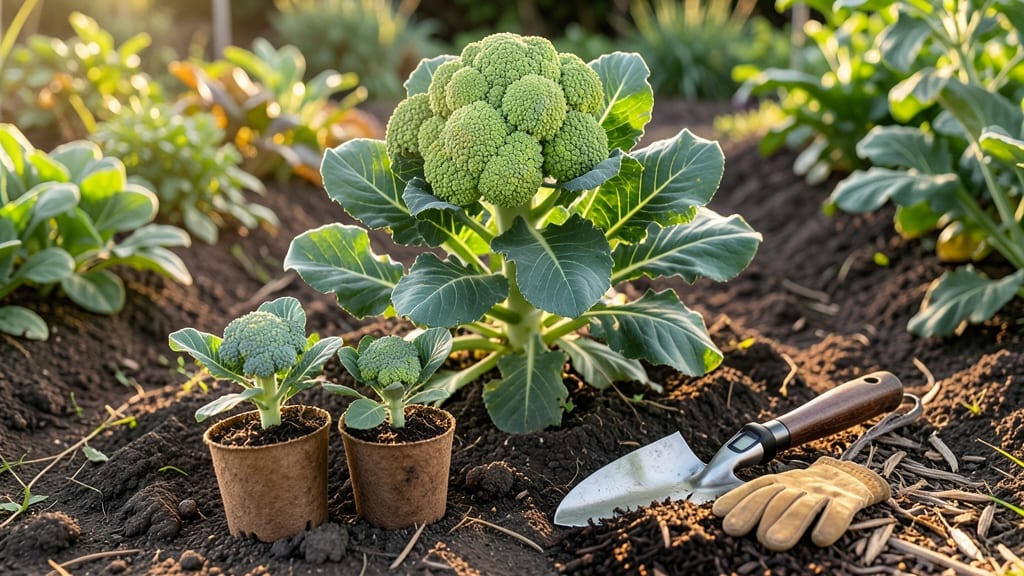
If you’ve ever wondered when to plant fall crops in Ohio and missed your window, you’re not alone—getting the timing right can mean the difference between a bountiful harvest and wilted greens by frost.
Ohio’s diverse microclimates, from Lake Erie’s cooler breezes to the Appalachian foothills’ warmer pockets, create planting zones that can shift your schedule by weeks.
The key is planting 🍂 fall crops (General) between August and early October, but the exact deadlines depend on your USDA Zone—whether you’re in 6a or a slightly warmer microclimate. For example, northern Ohio gardeners should start sooner, while southern counties can push their last sowing closer to October.
Get it wrong, and you risk stunted growth or crops that bolt before you can enjoy them.
I’ve broken down the perfect planting windows by county heat zone, so you know exactly when to tuck in your kale, carrots, or spinach for a harvest before the first frost.
Plus, I’ll share how to extend your season with row covers and succession planting—because in Ohio, a few extra weeks can make all the difference.
Ready to transform your garden into a fall feast? Let’s dive into the county-by-county schedule that’ll help you beat the frost and keep your kitchen stocked with homegrown goodness all season long.
Ohio fall planting deadlines by USDA heat Zone (with county-specific adjustments)
Ohio’s 7 USDA heat zones (5a through 6b) create dramatic differences in frost timing—up to 3 weeks between northern and southern counties. For example, Ashtabula County (Zone 5a) typically sees its first frost by October 10, while Lawrence County (Zone 6b) might delay until November 1.
These variations mean your fall planting window could shift from mid-August to early October depending on location.
To avoid frost damage or bolting in heat-sensitive crops like lettuce, I’ve mapped out planting deadlines by zone, plus county-specific adjustments for Ohio’s most extreme microclimates. The key rule: Plant 4-6 weeks before your average first frost date for a full harvest.
For hardy crops (kale, spinach, carrots), you can push planting up to 2 weeks before frost.
🌱 PRO TIP: Use Ohio State University’s Frost Date Calculator (https://agcrops.osu.edu) to pinpoint your exact county’s averages. Lake Erie regions (e.g., Lorain, Cuyahoga) often experience delayed frosts due to lake-effect warming, while Appalachian counties (e.g., Athens, Vinton) can see earlier frosts in sheltered valleys.
For slow-to-germinate crops like carrots or parsnips, start seeds indoors in late July (Zone 5a) or early August (Zone 6b) to ensure they’re ready for transplanting by your zone’s ideal window. Leafy greens (spinach, lettuce) can handle cooler soil, so I often direct-sow them 2 weeks after the ideal start date for a second harvest.
If you’re in Zone 5a or 5b, prioritize fast-maturing varieties (e.g., ‘Black Seeded Simpson’ lettuce at 30 days) over slower growers like broccoli (60+ days).
In Zone 6a/b, you can afford slightly longer seasons—think ‘Winterbor’ kale (50 days) or ‘Napa’ cabbage (70 days)—but still plant by mid-September for a reliable harvest.
⚠️ WARNING: Avoid planting warm-season crops (tomatoes, peppers) after July 15 in any Ohio zone—they’ll bolt or rot in the heat. Instead, swap them for cool-season alternatives like bush beans (which tolerate light frosts) or turnips (ready in 30 days).
To track your local frost dates dynamically, bookmark the Midwestern Regional Climate Center’s Frost Tool (https://mrcc.illinois.edu). It updates annually and accounts for 10-year averages, which are more reliable than static charts. For example, 2022’s early October frost in Cincinnati (
Ohio fall planting deadlines by USDA heat Zone (with county-specific adjustments)
Ohio’s USDA heat zones 5b through 6b create dramatic differences in fall planting success. In Zone 5b (northeast Ohio), the first frost often arrives by October 10th, while Zone 6b (southwest Ohio) may delay until October 25th.
These variations mean your spinach or kale could bolt in one county but thrive in another.
County microclimates add another layer—Lake Erie regions (e.g., Cuyahoga County) stay cooler longer, while Appalachian counties (e.g., Athens County) experience earlier frosts. To avoid frost damage, I recommend using local frost date averages as your planting deadline anchor.
| USDA Zone | County Examples | Last Planting Window | Frost Date Range | Backup Window |
|---|---|---|---|---|
| 5b | Ashtabula, Trumbull, Holmes | August 15 - September 15 | October 5 - October 15 | September 20 (hardy crops) |
| 6a | Franklin, Delaware, Licking | August 20 - September 25 | October 10 - October 20 | September 30 (hardy crops) |
| 6b | Clermont, Warren, Butler | August 25 - October 5 | October 15 - October 25 | October 10 (hardy crops) |
For leafy greens like spinach or lettuce, aim to plant 6-8 weeks before frost. Root crops such as carrots or beets need 70-90 days to mature, so start them 8-10 weeks out. Brassicas like broccoli or kale can handle cooler temps—plant them 4-6 weeks before frost.
Ohio’s soil temperature drops below 50°F by late September in most zones, slowing germination. To compensate, I recommend pre-warming soil with black plastic mulch or planting fast-sprouting varieties like ‘Early Wonder’ peas or ‘Salad Bowl’ lettuce.
Use these deadlines as guidelines, but always check your local Cooperative Extension Service for real-time updates. A sudden cold snap can turn a perfect planting window into a failed crop—better to be two weeks early than one day late.
Pro tip: Mark your fall planting calendar with three key dates—first frost, last planting window, and backup window. This keeps you on track even when Ohio’s weather throws curveballs. 🌱