
Plants
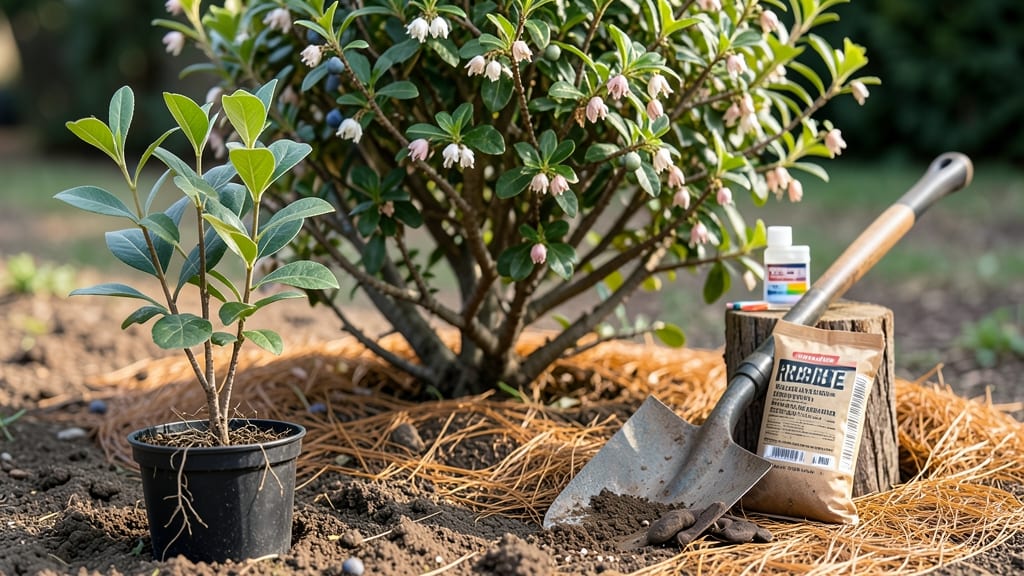
If you've ever dreamed of picking fresh, juicy 🫐 blueberries straight from your South Carolina garden, when to plant blueberries in SC is the first question you need to answer—and getting it wrong could mean waiting years for that first harvest.
The key to success lies in understanding your region's chill-hour needs and planting during the narrow window when the risk of frost has passed but summer's heat hasn't yet arrived.
South Carolina's diverse climate zones—from 7b in the mountains to 9a along the coast—mean what works in one area might fail in another.
Whether you're growing Southern Highbush varieties that need just 200 chill hours or hardier Rabbiteye types requiring 800+ hours, planting too early risks frost damage, while waiting too long can stunt growth before summer's heat sets in.
I've tested different planting schedules across SC's microclimates, and the sweet spot for most gardeners falls between late February and early April—just as the soil warms but before the humidity peaks.
This window gives your bushes time to establish roots before the real growing season kicks in, setting you up for a bountiful harvest by next summer.
Ready to avoid the common mistakes that leave blueberry plants struggling? I'll walk you through exactly how to match your variety to your zone, prep your soil for maximum acidity, and time your planting for optimal survival—no matter where in South Carolina you're gardening.
Best planting months for blueberries in South Carolina by chill-hour needs
South Carolina’s climate varies from the cooler Upstate to the warmer Coastal Plain, making chill-hour requirements the key factor in choosing your planting window. Most blueberry varieties need between 200-1000 chill hours to produce fruit, but Southern Highbush types (400-600 hours) thrive in SC’s milder winters.
Planting too early risks frost damage, while waiting too long delays establishment.
For Upstate SC (USDA Zones 7b-8a), aim for late February to early March—this gives roots time to establish before spring warmth.
In Midlands (Zone 8a), shift to mid-March to early April to avoid early blooms that frost can damage. Coastal areas (Zone 9a) should plant in April when soil warms above 50°F.
Blueberries are dormant in winter, so planting in late winter (before buds swell) minimizes stress. Avoid fall planting in SC’s humid climate—it increases fungal disease risks like botrytis blight. Container-grown plants can be planted slightly later (up to May), as their roots adapt faster.
🌱
If you’re unsure about your chill hours, opt for Southern Highbush varieties like 'Climax' or 'Premier', which adapt well to SC’s 400-600 hour range. These varieties also produce fruit earlier (May-June) compared to Rabbiteye types, which ripen in late June-July.
For container planting, extend your window to May—potted bushes establish faster in well-draining mixes. However, bare-root plants must go in by April to avoid transplant shock. Always soak bare roots in water for 2 hours before planting to reduce stress.
🌿
After planting, mulch heavily with pine straw (to lower pH naturally) and keep soil moist for 6-8 weeks to encourage root growth. Avoid fertilizing until spring—new plants need to focus on roots, not leaves.
In SC’s heat, shade cloth (30-50%) can protect young bushes until they’re 2 feet tall.
💧
How to choose the right blueberry variety for South Carolina’s climate
South Carolina’s warm winters and humid summers make selecting the right blueberry variety critical for success. Not all varieties thrive here—some need more chill hours than SC typically provides, while others struggle with heat.
The key is matching your USDA zone (7b-9a) with a variety that meets its chill-hour requirements (the number of hours below 45°F needed to set fruit).
For example, Southern Highbush varieties like 'Climax' and 'Premier' are perfect for SC’s milder winters, requiring only 200-300 chill hours. Meanwhile, Rabbiteye types like 'Tifblue' need 500-800 chill hours, making them ideal for the upstate region where winters are cooler.
Half-High varieties fall in between, offering a balance for mid-state areas.
Here’s how to pick the best variety for your SC location:
| Variety | Chill Hours | Best SC Region | Mature Height | Harvest Time |
|---|---|---|---|---|
| Southern Highbush (e.g., 'Climax') | 200-300 | Coastal & Piedmont | 4-6 ft | May-June |
| Half-High (e.g., 'Chester') | 300-500 | Mid-state (Columbia area) | 5-6 ft | June |
| Rabbiteye (e.g., 'Tifblue') | 500-800 | Upstate (Greenville) | 6-12 ft | July-August |
| Low-Chill (e.g., 'Jewel') | 100-200 | Coastal (Charleston) | 3-5 ft | April-May |
If you’re in Zone 8a or warmer (like Charleston), stick to low-chill varieties like 'Jewel' or 'Misty.' These thrive with minimal winter chill and produce early, avoiding the summer heat stress that can reduce yields.
Meanwhile, upstate gardeners in Zone 7b can grow Rabbiteye varieties, which handle cooler winters better.
Pro tip: Check your local microclimate—valleys and lower elevations often have fewer chill hours than hilltops. If you’re unsure, ask your local Cooperative Extension office for a chill-hour map of your area.
Planting the wrong variety can mean no fruit or stunted growth, so this step is worth the research!
Once you’ve picked your variety, time your planting for late winter to early spring (February-April) to give roots time to establish before the summer heat sets in. Pair this with acidic soil prep (pH 4.5-5.5), and you’re set for a bountiful harvest.