
Plants
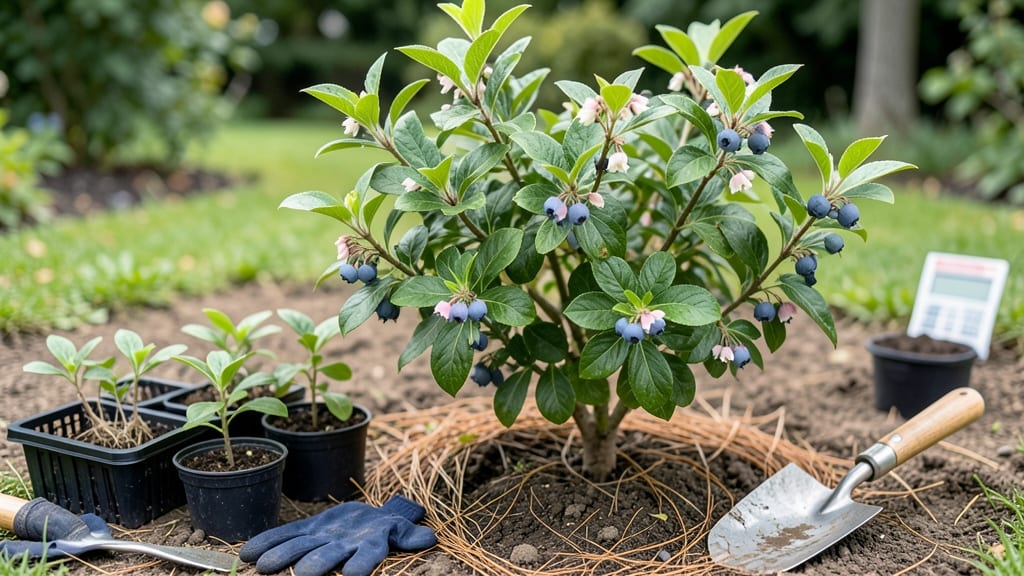
Timing your blueberry planting in Kentucky isn't just about the calendar—it's about matching your bushes to the state's unique chill hours and frost patterns. With Kentucky's 6a-7a climate, getting this right means the difference between a bountiful 🫐 harvest and struggling bushes that barely survive.
Most gardeners assume spring is the only option, but fall planting can actually give your blueberries a head start. The key is understanding how many chill hours your chosen variety needs—typically 300-900 hours—and aligning that with Kentucky's last frost date around March 15.
I'll walk you through the exact planting windows that work best for Kentucky's microclimates, plus how to prep your soil for maximum success. Whether you're planting Northern Highbush or heat-tolerant Rabbiteye varieties, these insights will help you avoid common mistakes that waste time and money.
Ready to grow blueberries that thrive? Let's dive into the best months to plant and the simple steps that make all the difference in your first harvest season.
Best planting months for Kentucky blueberries based on chill hours
Kentucky’s USDA zones 6a-7a create a unique challenge for blueberry growers—too early, and your plants won’t survive winter; too late, and they won’t establish roots before summer heat. The key? Matching your chill-hour requirements (300-900 hours below 45°F) to the right planting window.
Most Kentucky growers thrive with Northern Highbush varieties (600-900 chill hours) or Southern Highbush/Rabbiteye hybrids (300-600 chill hours).
For bare-root plants, the optimal window is late winter to early spring—specifically February through April.
This timing ensures roots establish before Kentucky’s last frost date (March 15), while avoiding the stress of summer heat. Container-grown blueberries can also be planted in fall (October-November), but only if your area gets mild winters (like Western KY).
Here’s the chill-hour breakdown you need to know:
- Northern Highbush (e.g., 'Duke,' 'Bluecrop'): 800-1,000 chill hours → Plant in late winter (Feb-Mar) for Eastern KY.
- Southern Highbush (e.g., 'Premier,' 'Climax'): 300-600 chill hours → Plant in early spring (Mar-Apr) for Western KY.
- Rabbiteye (e.g., 'Tifblue'): 400-600 chill hours → Plant in spring (Apr) for Central/Southern KY.
If you’re planting in fall (October-November), choose container-grown plants and harden them off gradually. The goal is to give roots 6-8 weeks to establish before first frost (Nov 15). For bare-root plants, fall planting is risky in Kentucky’s variable winters—stick to spring unless you’re in Zone 7a+.
Another critical factor is soil temperature. Blueberry roots need soil at 45-55°F to establish. In Kentucky, this typically aligns with March-April, but southern regions (like Bowling Green) can plant as late as mid-April. Use a soil thermometer to confirm—root growth stalls below 40°F.
For container gardening, you can extend your planting window to May, but expect delayed fruiting in the first year. Containers also let you control soil pH (critical for blueberries) and protect roots from Kentucky’s humid summers.
Just ensure pots are at least 18" deep to accommodate mature root systems.
One common mistake Kentucky growers make is planting too early (January) to beat frost. But dormant roots won’t establish in frozen soil. Instead, amend your soil in fall (add peat moss or pine fines to lower pH) and plant in March once daytime temps stay above 50°F.
This balance maximizes root growth before summer’s 100°F+ heat waves.
Pro tip: Mulch heavily (3-4 inches of pine straw) after planting to insulate roots and retain moisture during Kentucky’s hot, dry summers. This is especially crucial for young plants, which can bolt (send up shoots too early) if stressed by heat.
Finally, avoid planting near walnut trees—their roots release juglone, a toxin that stunts blueberry growth. Instead, choose a sunny, sheltered spot with well-draining soil (blueberries hate soggy roots!). With the right timing and care, your Kentucky blueberries will thrive and produce for decades. 🫐
Best planting months for Kentucky blueberries based on chill hours
Kentucky’s climate—with its humid summers and moderate winters—demands precise timing for planting blueberries. The key is matching your chill-hour needs (300-900 hours) to the right planting window. Most Kentucky growers thrive with Northern Highbush varieties (600-900 hours), while Southern Highbush (300-600 hours) suits milder microclimates like Western KY.
For bare-root plants, the ideal window is late winter to early spring (February–April), before buds break. This gives roots time to establish before Kentucky’s last frost (around March 15). Fall planting (October–November) is riskier but works for container-grown bushes in USDA Zones 6a-7a.
🌱
To calculate your chill hours, use a weather station or local Cooperative Extension Service data. Most of Kentucky falls in 600–800 chill hours, perfect for Northern Highbush varieties like 'Duke' or 'Premier'.
These thrive when planted in March, giving roots 8–10 weeks to establish before summer heat arrives.
If you’re in Western Kentucky (warmer microclimates), opt for Southern Highbush varieties like 'Tifblue', which need fewer chill hours. Plant these in April to avoid late frosts damaging tender new growth.
🌡️
Pro tip: Mulch heavily (3–4 inches of pine straw) after planting to retain moisture and regulate soil temperature. This is especially critical in Kentucky’s hot, humid summers, where young roots can dry out quickly. Pair this with drip irrigation for the first 60 days to ensure survival.