
Plants
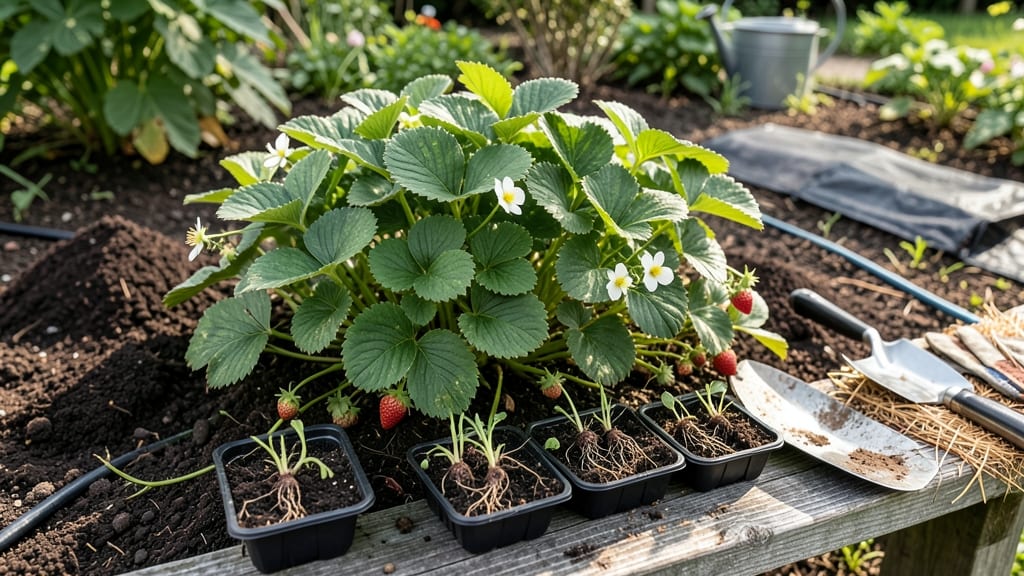
If you're dreaming of a backyard bursting with sweet, juicy 🍓 strawberries, Florida’s year-round growing season is your secret weapon—but planting at the wrong time could mean tiny berries or no harvest at all.
The key lies in matching your strawberry variety to Florida’s unique chill-hour zones, where cooler winter nights trigger the magic that leads to bigger, sweeter fruit.
Most Florida gardeners assume "plant in fall" works universally, but the truth is more nuanced. Whether you're in the Panhandle’s cooler Zone 8a or Miami’s balmy Zone 11, your strawberries need the right temperature cues to thrive.
I’ll break down exactly which months align with your region’s chill requirements—so you can skip the guesswork and plant for maximum yield.
Ready to turn your garden into a berry bonanza? We’ll cover everything from soil prep to extending your harvest season with simple tricks like mulch and row covers. Let’s get those strawberries growing when they’ll produce the most—and keep them fruiting longer than you thought possible.
The best time to plant strawberries in Florida isn’t just about the calendar—it’s about working with your local climate. With the right timing, you could enjoy fresh berries for nearly 10 months of the year. Let’s make it happen.
Florida’s ideal strawberry planting windows by chill-hour requirements
Florida’s unique climate lets you grow strawberries year-round, but chill-hour requirements determine the best planting windows for each variety.
Unlike northern states, Florida’s USDA Zones 8a-11 mean no frost, but strawberries still need specific temperature cues to produce fruit. June-bearing varieties need 450-750 chill hours, while everbearing and day-neutral types thrive with 0-450 chill hours.
In Florida, fall and winter planting (September–February) aligns with natural temperature drops, triggering flowering. Spring planting (March–May) works for heat-tolerant varieties like 'Seascape' or 'Camarosa,' but summer planting risks heat stress and poor fruit set.
The key is matching your strawberry type to Florida’s three chill-hour zones—North (more chill hours), Central (moderate), and South (least chill).
Chill hours are calculated as hours below 45°F (7°C) during dormancy. Florida’s North region (Panhandle) gets up to 750+ chill hours, while South Florida (Miami area) often sees 0-200 chill hours. This means June-bearing varieties struggle in South Florida unless you use specialized heat-tolerant cultivars or extend seasons with mulch.
Here’s how chill hours dictate your planting timeline and harvest windows:
| Strawberry Type | Chill-Hour Needs | Best Florida Planting Window | Harvest Season | Notes |
|---|---|---|---|---|
| June-Bearing | 450–750 hours | September–October (North FL) or November–December (Central/South FL) | Spring (March–May) | Needs cooler temps; best for North FL |
| Everbearing | 200–450 hours | October–February (year-round in South FL) | Fall, Winter, Spring | Produces 2–3 harvests; great for Central/South FL |
| Day-Neutral | 0–200 hours | Year-round (best in fall/winter) | Continuous (smaller berries) | Heat-tolerant; ideal for South FL |
For North Florida (e.g., Panhandle), aim for September–October planting to take advantage of natural chill hours. Central Florida (Orlando area) can plant from October–January, while South Florida (Miami) thrives with November–February plantings. Day-neutral varieties like 'Seascape' or 'Albion' are my top picks for South Florida because they produce fruit without chill hours.
If you’re in Central Florida, everbearing varieties like 'Oso Grande' or 'Fort Laramie' are perfect—they deliver two harvests per year when planted in fall and spring.
For North Florida, June-bearing types like 'Chandler' or 'Camarosa' reward you with a single massive spring harvest if planted in late summer.
Pro tip: Soil temperature matters just as much as air temperature. Strawberries need soil temps between 60–70°F (15–21°C) to germinate. In Florida, this usually aligns with fall planting, but you can use black plastic mulch to warm soil in spring plantings (more on this in Section 3).
Mistake to avoid: Planting June-bearing varieties in South Florida without chill hours—they’ll bolt to flower without setting fruit. Instead, opt for day-neutral types or use artificial chilling (e.g., refrigerating bare-root plants for 2–3 weeks before planting).
Ready to pick your variety? North FL gardeners should focus on June-bearing types, while South FL thrives with day-neutral strawberries. Central FL can mix both for year-round production. Next, we’ll dive into region-specific planting months and microclimate tips to maximize your harvest.
Best months to plant strawberries in Florida’s North vs. Central vs. South regions
Florida’s diverse climate means strawberry planting windows vary dramatically from the Panhandle to Miami. While North Florida enjoys cooler winters, South Florida’s heat demands strategic timing. Let’s break down the best months for each region to maximize your harvest.
In North Florida (USDA Zones 8a-9a), like the Panhandle and Tallahassee, cooler temperatures create ideal conditions for fall and winter planting. This region benefits from 300-500 chill hours, perfect for June-bearing varieties.
The best months here are September through November, with a secondary window in February for spring harvests.
For Central Florida (Orlando, Tampa, USDA Zone 9b-10a), the climate is warmer year-round, but fall planting remains optimal. With 150-300 chill hours, focus on everbearing or day-neutral varieties like ‘Seascape’ or ‘Albion’. Plant between August and October for winter harvests, or try February-March for summer fruit.
In South Florida (Miami, Fort Lauderdale, USDA Zone 10b-11), heat and humidity limit traditional planting. However, shade-cloth and mulch can extend windows. The best time is September-October for cooler months, with day-neutral varieties like ‘Florida Beauty’ thriving year-round with proper care.
| Region | Best Planting Months | Chill Hours | Best Varieties | Key Tips |
|---|---|---|---|---|
| North Florida | Sep-Nov, Feb | 300-500 | June-bearing ('Chandler', 'Camarosa') | Use row covers for frost protection |
| Central Florida | Aug-Oct, Feb-Mar | 150-300 | Everbearing ('Seascape', 'Albion') | Mulch with straw to retain moisture |
| South Florida | Sep-Oct (year-round possible) | 0-150 | Day-neutral ('Florida Beauty', 'Sweet Charlie') | Use shade cloth in summer |
Regardless of region, soil preparation is critical. Test your soil’s pH (5.5-6.5 ideal) and amend with compost or peat moss for optimal drainage. In North Florida, raised beds help prevent frost damage, while South Florida gardeners should prioritize well-draining soil to avoid root rot.
Pro tip: Mulch heavily with pine straw or black plastic to regulate soil temperature. This extends planting windows by 2-4 weeks in both cooler and warmer regions. For North Florida, mulch in late fall to protect roots; in South Florida, use it year-round to combat heat stress.
Remember, Florida’s microclimates can shift yields dramatically. Monitor local weather patterns and adjust planting dates accordingly. With the right timing, you can enjoy homegrown strawberries nearly year-round—even in the Sunshine State’s extremes!