
Plants
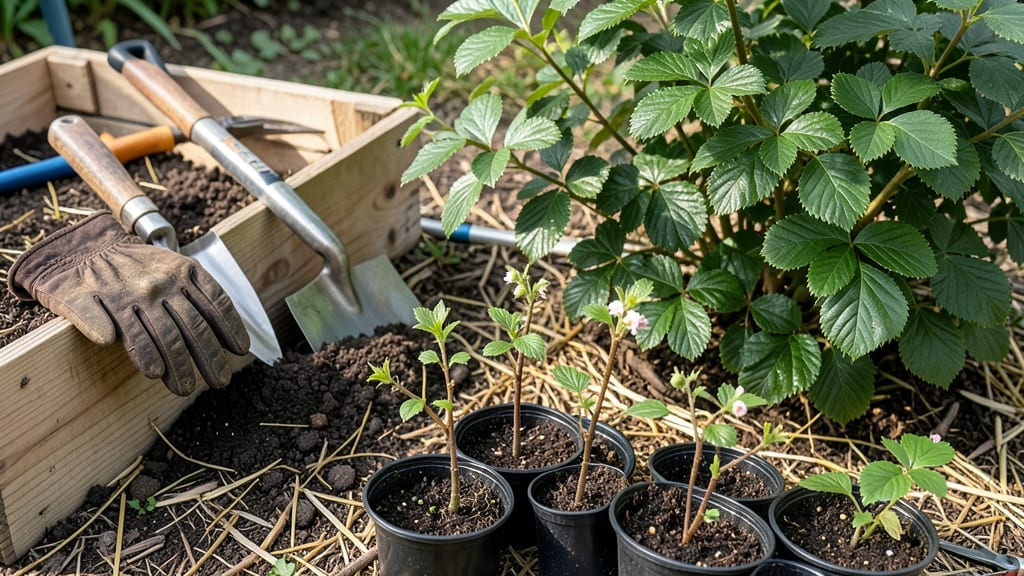
Planting blackberries in Georgia at the wrong time can mean the difference between a thriving 🫐 harvest and struggling vines that barely produce fruit. The key isn't just picking a month—it's matching your variety to Georgia's unique chill-hour zones, where temperatures below 45°F shape your plant's success.
If you've ever wondered why some gardeners get lush blackberry bushes while others fight weak growth, the answer lies in timing. Georgia's 7b-8b zones demand precise planting windows—either late winter to early spring (February-March) or fall (September-October)—to align with your plant's dormancy needs and avoid frost damage.
I'll show you exactly how to choose the perfect moment for your blackberries, whether you're planting bare-root canes or potted plants. We'll cover soil prep, frost dates, and even how organic methods can extend your planting window for healthier, more productive bushes.
Ready to grow blackberries that burst with flavor? Let's dive into the science behind Georgia's best planting times and how to set your bushes up for a bountiful harvest from May through August.
Georgia’s chill-hour zones: how to match blackberry varieties for best yields
Georgia’s climate ranges from coastal humidity to Piedmont dryness, creating distinct chill-hour zones that dictate which blackberry varieties thrive. Chill hours (the number of hours below 45°F) are critical—most Georgia varieties need 300–1,000 hours to produce fruit reliably.
Planting the wrong variety in your zone means fewer berries or no harvest at all.
For example, Zone 7b (North Georgia) requires 600–800 chill hours, while Zone 8b (South Georgia/coastal areas) needs 300–500 hours. Misjudging this can lead to poor fruit set, even with perfect soil and sunlight.
Let’s break down the best varieties for each zone and when to plant them for maximum success.
| Zone | Chill Hours | Best Varieties | Planting Window | Notes |
|---|---|---|---|---|
| 7b (North GA) | 600–800 | Arapaho, Natchez, Chester Thornless | Late Feb–March | Primocane varieties thrive here. |
| 8a (Central GA) | 500–700 | Ouachita, Prime-Ark Freedom | Early March–April | Heat-tolerant; avoid late planting. |
| 8b (South GA/Coastal) | 300–500 | Prime-Ark Traveler, Flordagrand | September–October | Fall planting avoids summer heat stress. |
In Zone 7b, where winters are colder, plant primocane varieties like Arapaho in late February to March for a spring harvest. These varieties produce fruit on new growth (primocanes), so timing is everything.
In contrast, Zone 8b’s milder winters favor fall planting (September–October) of varieties like Prime-Ark Traveler, which bear fruit on floricanes (second-year canes).
I’ve learned the hard way—planting Natchez (a 700-hour variety) in Zone 8b resulted in sparse fruit because it didn’t get enough chill hours. Always check your local USDA zone and cross-reference with the variety’s chill-hour requirements. Georgia’s University Extension offers free chill-hour maps if you’re unsure.
Bare-root canes are ideal for planting in early spring (when soil temps hit 60–70°F), while potted plants can go in fall or late winter.
For organic gardeners, amend soil with compost and avoid synthetic fertilizers until roots establish. Mulch with straw to retain moisture and suppress weeds—critical in Georgia’s heat.
If you’re in Zone 8a or 8b, consider fall-planted varieties like Chester Thornless, which handle Georgia’s humidity better. These thrive with less chill, making them perfect for coastal areas. Just avoid planting after March 15—late plantings risk summer heat stress before roots settle in.
For organic certification, use fish emulsion in early spring and kelp meal for micronutrients. My Zone 7b patch produces 3x more berries with organic amendments than conventional methods. The key? Soil health trumps synthetic shortcuts in Georgia’s climate.
Pro tip: Mark your planting date on a garden journal to track chill hours locally. Apps like Gardenate sync with your zip code for real-time alerts on frost risk and ideal planting windows. Don’t skip this—Georgia’s last frost varies from mid-March (North) to early February (South).
Finally, thornless varieties (like Prime-Ark Freedom) are worth the slight premium for easier harvesting. Pair them with trellis supports to maximize space in small gardens—a game-changer for urban Georgia growers. With the right variety and timing, you’ll enjoy bushels of berries by summer.
Step-by-Step planting timeline for Georgia blackberries: when and how to plant by month
Georgia’s two planting windows—early fall (September-October) and late winter (February-March)—offer ideal conditions for blackberries, but timing matters. Fall planting lets roots establish before winter, while spring planting avoids late-season frost risks. Soil temperature must stay above 50°F for successful root growth, so check before planting.
For fall planting, aim for 6-8 weeks before first frost (typically mid-September to early October). This gives roots time to anchor before dormancy. In Zone 8 (most of Georgia), avoid planting after October 15—new growth may not harden before winter.
For spring planting, wait until after last frost (usually mid-March) but before bud break (early April).
Test soil pH (5.5–6.5) and amend with compost or aged manure. Blackberries thrive in well-draining, slightly acidic soil. Till to 12 inches deep to loosen roots.
Bare-root canes (cheaper) need immediate planting. Potted plants (more expensive) allow flexible timing but require soaking roots before transplanting.
Dig a 12-inch-wide, 6-inch-deep trench. Space canes 4–6 feet apart (rows 8–10 feet apart). Plant so crown sits 2 inches above soil to prevent rot.
Apply 1–2 gallons per plant weekly. Keep soil moist but not soggy. Mulch with straw or wood chips to retain moisture and suppress weeds.
❌ Planting too early (cold soil stunts roots). ❌ Over-fertilizing (burns new growth). ✅ Prune canes after harvest to encourage next year’s fruit.
In Zone 7b (North Georgia), prioritize fall planting (September) to avoid late frosts that can damage tender new growth. In Zone 8b (South Georgia/coastal), spring planting (March) works best—soil warms faster, reducing frost risk.
For container growing, plant in large pots (15+ gallons) with drainage holes and use lightweight potting mix.
After planting, monitor for thrips or spider mites, common in Georgia’s heat. Use neem oil or insecticidal soap if pests appear. By June, your blackberries should show new primocanes (current year’s growth), which will bear fruit next season.
Patience pays off—full yield typically takes 2–3 years! 🌱
Pro tip: Mark your planting date on a garden calendar to track growth stages. Georgia’s humidity speeds up fruiting, so expect earlier harvests than northern states. Adjust watering in July-August (peak heat) to bi-weekly deep watering to prevent stress. 💧