
Plants
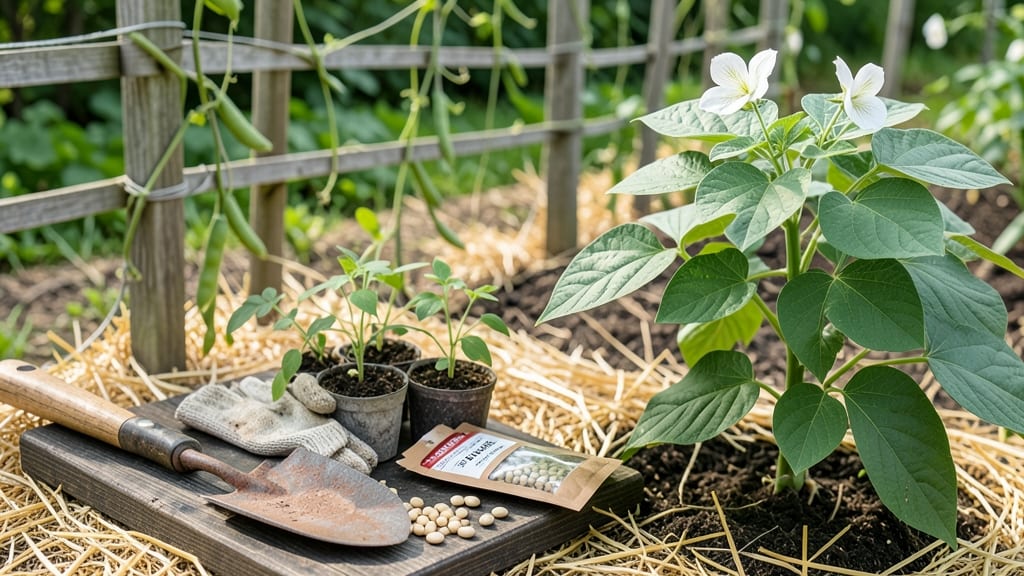
Timing your bean planting in Georgia can mean the difference between a bumper crop and a disappointing harvest. With the right schedule, you’ll enjoy fresh 🌱 pods from June through November—but get it wrong, and you might end up with stunted plants or even no harvest at all.
The key is understanding Georgia’s unique climate zones, where soil temperatures and frost dates shift dramatically between spring and fall. Whether you’re planting bush beans or pole varieties, knowing when to put seeds in the ground ensures strong germination and healthy growth.
I’ll break down the exact months that work best for your specific heat zone.
Most gardeners in Georgia’s 7b-8b zones should aim for two planting windows: late March through April for spring harvests and mid-August through September for fall yields. But there’s more to it than just dates—soil warmth, rainfall patterns, and even microclimates play a role in maximizing your harvest.
Let’s dive into the science and practical tips to help you plan your bean planting like a pro. By the end, you’ll know exactly when to plant for the best results—and how to adjust if your local conditions differ from the general guidelines.
Georgia’s bean planting calendar by heat Zone (exact months for success)
Georgia’s climate—spanning USDA Zones 7b-9a—creates ideal conditions for growing beans, but timing is everything. Plant too early, and cool soil stunts germination. Plant too late, and summer heat stresses young plants. The key lies in soil temperature thresholds and frost-free windows, which vary by region.
Most of Georgia experiences its last frost date around March 15, but northern areas (like Zone 7b) may face late frosts into early April. Southern regions (Zone 8a-9a) can start planting as early as mid-February in protected microclimates.
Always wait until soil reaches 60°F—use a soil thermometer to confirm.
Spring planting is critical for a summer harvest, while fall planting extends yields into autumn. Below, I’ve broken down exact planting windows by heat zone, including early, mid, and late-season varieties that thrive in Georgia’s climate.
For spring plantings, aim to harvest before Georgia’s summer heat peaks (June-August). Early varieties like Blue Lake mature in 50-55 days, while mid-season Roma beans take 60-65 days.
In Zone 9a, you can even plant late summer for a fall harvest—just choose heat-tolerant varieties like Scarlet Runner.
Fall plantings should start 8-10 weeks before your first frost (typically November 15). In Zone 8b and warmer, you can push this to early October for a late-season harvest. Use black plastic mulch to warm soil faster in cooler microclimates.
If you’re in Zone 7b and face late frosts, opt for bush beans over pole beans—they mature faster and tolerate cooler soils. For Zone 9a, consider succession planting every 2 weeks from March to May for continuous harvests.
One common mistake? Planting too early and risking frost damage. Always check your local Cooperative Extension Service for updated frost dates—Georgia’s climate shifts yearly. For example, 2023’s late frost in Atlanta pushed planting back by 2 weeks.
For pole beans
How to adjust planting dates for Georgia’s microclimates and soil conditions
Georgia’s climate varies dramatically from the coastal plains to the mountain regions, so one-size-fits-all planting dates won’t work. Even within Zone 8a, your neighbor’s perfect timing might fail in your garden.
Start by checking your last frost date—most of Georgia experiences it between March 15 and April 1, but mountain areas can see frost as late as April 15. Use this as your baseline, then adjust based on microclimates like urban heat islands or shady valleys.
Soil temperature is equally critical. Beans need soil that’s at least 60°F (15°C) for germination. In coastal Georgia, this often happens by mid-March, while northern Georgia may not reach it until late April.
Use a soil thermometer to confirm—planting too early in cold soil leads to rotten seeds or stunted growth. If your soil is still chilly, cover it with black plastic mulch for 1-2 weeks to warm it up faster.
Key Takeaways for Georgia Bean Planting
- Soil temp: Wait for 60°F+—use a thermometer!
- Microclimates: Urban areas warm faster; mountains lag behind.
- Fall planting: Start by August 15 for harvest before frost.
- Drainage: Avoid waterlogged soil—beans hate soggy roots.
- Organic matter: Amend with compost for better heat retention.
For fall harvests, aim to plant between mid-August and mid-September so beans mature before the first frost (November 15). However, if you’re in a warmer microclimate like Savannah, you might push planting to early October.
Use row covers or cold frames to extend your season by 2-3 weeks if frost threatens early. Just remember: beans planted in late summer need 60-70 days to mature, so calculate backward from your expected frost date.
Soil conditions play a surprising role in timing. Sandy soil warms up faster in spring but drains too quickly, while clay soil stays cold longer but retains moisture better. Test your soil’s drainage by digging a hole—if water pools after 6 hours, amend with sand or perlite.
For optimal warmth, add 2-3 inches of compost before planting. This not only feeds your beans but also helps the soil reach the 60°F threshold 1-2 weeks earlier than unamended soil.
Don’t overlook companion planting as a timing hack. Planting beans near corn or cucumbers creates a microclimate that warms soil faster, while shade from taller plants can delay germination in hot spells.
If you’re in a high-altitude area, consider starting seeds indoors 4-6 weeks before your target outdoor date to give them a head start. Just be prepared to harden them off properly to avoid transplant shock.
Finally, keep an eye on rainfall forecasts. Georgia’s spring can bring sudden downpours that waterlog soil, delaying planting. If rain is forecasted for your target dates, hold off until conditions dry out—beans hate waterlogged roots.
For summer plantings, prioritize morning watering to prevent fungal diseases that thrive in humid heat. With these adjustments, you’ll turn Georgia’s variable climate into an advantage, not a challenge.