
Plants
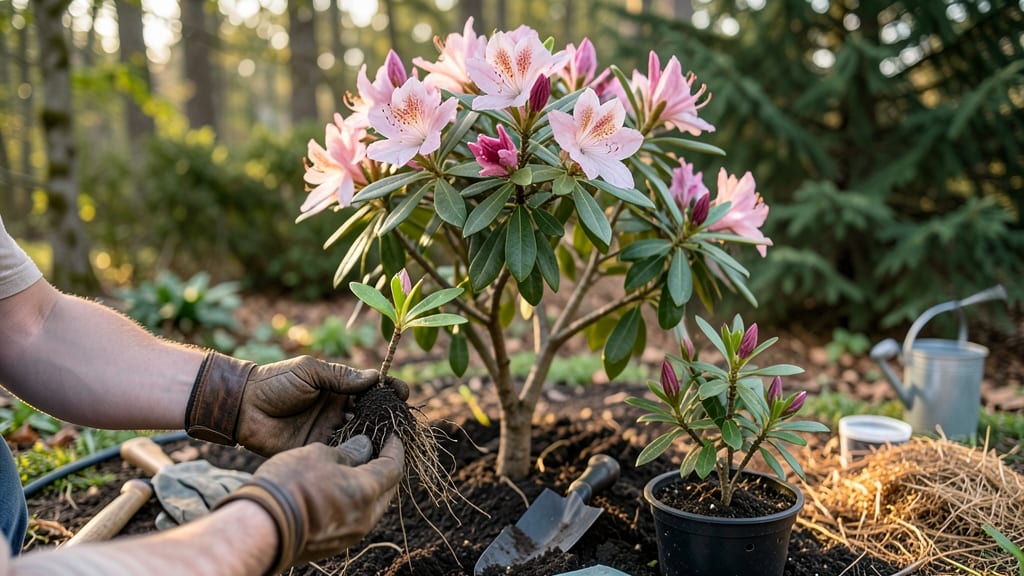
Planting azaleas in Alabama at the wrong time can mean the difference between a vibrant garden full of 🌸 blooms and struggling shrubs that barely survive.
The key isn't just about seasons—it's about matching Alabama's unique chill-hour zones to your azalea variety, ensuring those stunning spring flowers come back year after year.
Fall and early spring are your best windows, but here's the catch: Alabama's 7a-8b zones demand precise timing. Plant too early, and your azalea might not establish roots before winter's chill.
Too late, and it could struggle with summer heat before settling in. I'll show you exactly how to nail the timing for both container-grown and bare-root azaleas.
What you'll discover is that Alabama's climate actually gives you two prime opportunities—each with its own advantages. Whether you're a first-time gardener or a seasoned pro, these insights will help you avoid common mistakes that derail even the most well-intentioned plantings.
Let's dive into the science behind Alabama's chill-hour requirements and how to use them to your advantage. You'll learn when to plant for maximum blooms, how to prepare your soil, and why some months are better than others for your specific azalea type.
Alabama’s azalea planting timeline by chill-hour zones
Alabama’s 5 chill-hour zones (ranging from 400 to 1,000 hours) determine the best time to plant azaleas for vibrant blooms. In warmer southern zones (like Mobile), azaleas thrive with fewer chill hours, while northern regions (like Huntsville) need more. Understanding your zone ensures your azaleas bloom reliably each year.
Most Alabama gardeners plant azaleas in fall (October–November) or early spring (February–March). Fall planting gives roots time to establish before winter, while spring planting avoids late-season stress. Container-grown azaleas can be planted year-round, but bare-root varieties require dormancy for best results.
To verify your chill-hour zone, check the USDA Plant Hardiness Zone Map and local weather data. Alabama spans Zones 7a–8b, with chill hours varying by county. For example, Birmingham (Zone 7b) averages 600–800 chill hours, while Gulf Shores (Zone 8a) sees only 400–500 hours.
Here’s how to match your azalea variety to your chill-hour zone for optimal blooming:
For container-grown azaleas, you can plant anytime the soil isn’t frozen, but bare-root azaleas must be planted during dormancy. In Alabama, this means October–February. If you miss the fall window, wait until late winter (February–March) to avoid heat stress.
Soil temperature is another critical factor. Azaleas prefer soil temps between 50–65°F at planting. Use a soil thermometer to check before planting in spring. If temps are above 70°F, delay until fall to prevent root burn.
Pro tip: Mulch newly planted azaleas with 2–3 inches of pine bark to retain moisture and regulate soil temperature. This is especially important in Alabama’s hot, humid summers, where mulch helps roots stay cool.
If you’re in a microclimate (like a city with heat islands), plant azaleas in cooler spots or choose heat-tolerant varieties like ‘Southern Charm’. These adapt better to urban heat while still thriving in Alabama’s climate.
Finally, avoid planting azaleas when rainfall is heavy or soil is waterlogged. Soggy soil can suffocate roots and lead to root rot. Aim for dry-to-moist soil conditions at planting time for the best start.
Signs your Alabama azalea planting time is perfect (or too early/late)
Planting azaleas at the wrong time in Alabama can lead to transplant shock, poor root establishment, or even death. The key is watching for soil temperature, rainfall patterns, and native plant cues that signal ideal conditions.
For Alabama’s climate, these signs help determine whether your azalea planting window is perfect, too early, or too late.
First, check the soil temperature—it should be between 50°F and 65°F (10°C–18°C). Use a soil thermometer to verify before planting. If the ground is still warm (above 65°F), wait a few weeks. Cold soil (below 50°F) can stunt root growth, especially for bare-root azaleas.
Native azaleas in Alabama often drop their leaves in late fall or early spring, signaling it’s time to plant. Observe local wild azaleas—their natural cycle aligns with your optimal planting months. If leaves are still vibrant, hold off until cooler weather arrives.
Rainfall is another critical factor. Alabama’s humid summers and wet springs can create soggy soil, which azaleas hate. Aim to plant when rainfall is moderate (1–2 inches per week) to avoid waterlogged roots. If your area has had heavy rains, wait until the soil dries slightly.
⚠️ Common Alabama Azalea Planting Mistakes
Planting too early: Soil is still warm, leading to root desiccation. Bare-root azaleas may dry out before establishing.
Planting too late: Cold snaps can damage tender roots. Late spring plantings may struggle with summer heat stress.
Ignoring soil pH: Alabama’s soil is often alkaline. Azaleas need acidic soil (pH 4.5–6.0). Test and amend with peat moss or sulfur before planting.
Timing also depends on whether you’re planting container-grown or bare-root azaleas. Container-grown plants can handle a slightly wider window (early spring to late fall), while bare-root azaleas must be planted in dormant season (late fall or early spring) to minimize stress.
Finally, avoid planting during peak heat or drought. Alabama’s summers can be brutal, and azaleas planted in July or August often struggle to recover. Stagger your planting if you’re adding multiple shrubs—plant early-season varieties in fall and late-season types in early spring for continuous blooms.
By watching these signs and avoiding common pitfalls, your Alabama azaleas will establish strong roots and reward you with vibrant, long-lasting blooms year after year. 🌸