
Plants
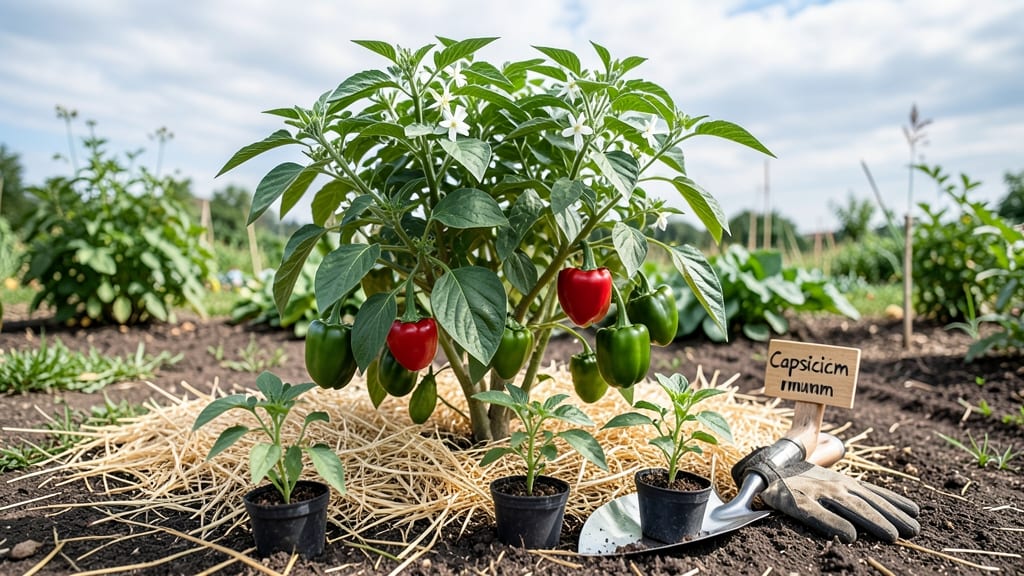
Planting bell peppers 🌶️ in Oregon at the wrong time can mean the difference between a bountiful harvest and wasted effort—especially when your growing season hinges on 165-200 frost-free days. Whether you're in the Willamette Valley or the High Desert, timing matters more than you might think.
Most Oregon gardeners know the general rule: wait until after the last frost, usually around mid-April to early June. But here's the catch—soil temperature is just as critical as calendar dates.
Your bell peppers won't thrive until the ground reaches at least 60°F, and that can vary by weeks depending on your microclimate.
In this guide, I’ll break down the exact planting windows for USDA Zones 8 and 9, including when to start seeds indoors and how to adjust for Oregon’s unpredictable spring weather.
You’ll also learn how to stretch your harvest into October with proven strategies—because nobody wants to miss out on those sweet, homegrown peppers.
Ready to grow a garden full of flavor? Let’s get started with the timing that’ll make all the difference.
Oregon’s ideal bell pepper planting windows by USDA Zone (8 vs. 9)
Timing your bell pepper planting in Oregon depends heavily on your USDA zone, with Zone 9 areas like Medford enjoying a 2-3 week head start compared to Zone 8 regions like Portland.
The key is aligning your planting with soil temperatures of at least 60°F—a threshold that arrives earlier in southern Oregon but can linger later in coastal valleys.
Most of Oregon falls under USDA Zones 7b-8b, but even within these zones, microclimates create dramatic differences. For example, the Willamette Valley often sees its last frost around April 15, while the High Desert may warm up by March 20.
These variations mean your planting window could shift by 4-6 weeks depending on location.
Here’s how to pinpoint your exact planting window using Oregon State University Extension data and local frost averages:
| Zone/Region | Last Frost Date | Soil Warmth Threshold | Ideal Planting Window | Notes |
|---|---|---|---|---|
| Zone 8 (Portland, Salem) | April 15 | 60°F (mid-May) | Mid-May to early June | Cooler nights delay soil warming; use row covers. |
| Zone 8 Coastal (Astoria, Cannon Beach) | May 1 | 60°F (late May) | Late May to mid-June | Wind exposure risks; plant near windbreaks. |
| Zone 9 (Medford, Eugene) | March 15 | 60°F (early April) | Mid-April to early May | Early starts possible; watch for heat waves. |
| High Desert (Bend, La Pine) | March 20 | 60°F (late March) | Late March to April | Dry heat; mulch heavily to retain moisture. |
Source: Oregon State University Extension (2023)
For Zone 8 gardeners, the mid-May to early June window is critical—planting too early risks cold soil and stunted growth, while waiting too long may cut your harvest short before first frost (typically October 15).
In Zone 9, you can start as early as mid-April, but beware of heat waves that can stress seedlings.
Pro tip: Use a soil thermometer to confirm warmth. If your soil hasn’t hit 60°F by your target planting date, delay by 1-2 weeks or use black plastic mulch to warm the soil faster.
This is especially important in cooler microclimates like the Columbia River Gorge, where frost can linger until May 1.
If you’re unsure about your exact last frost date, check the Oregon Climate Service or local Cooperative Extension office for hyper-local data. For example, Hood River often experiences 3-5°F warmer nights than Portland due to its valley effect, allowing for earlier planting.
Another key factor is day length. Bell peppers thrive with 14+ hours of daylight, which Oregon reaches by late June. Planting too late (after June 15) may result in smaller yields or peppers that never fully mature.
Balance your planting with harvest timing—aim for peppers to reach maturity before September 15 to avoid frost damage.
For gardeners in transition zones (e.g., USDA Zone 7b-8a like Corvallis), consider staggered planting: start a small batch in late April (under protection) and follow with a main planting in early May. This hedges against unpredictable weather and extends your harvest window.
Remember, Oregon’s marine influence means coastal areas can have cooler, wetter springs, while inland regions dry out faster. Adjust your watering and mulching strategies accordingly to keep soil temperatures stable.
With the right timing, you’ll enjoy bell peppers from July through October—just in time for fresh salsas and grilling!
5 Proven strategies to extend your Oregon bell pepper harvest
Oregon’s cool summers and early fall frosts can cut your bell pepper season short—but not if you use these 5 proven tactics. By combining succession planting, cold-hardy varieties, and protective gear, you can harvest crisp peppers well into October, even in Zone 8.
First, start seeds indoors by March 1 for an early jump. This gives you 8-10 weeks of head start before transplanting outdoors after the last frost. Use grow lights to mimic 14-hour daylight, which peppers crave for robust growth.
Next, choose cold-tolerant varieties like 'Aristotle' or 'NuMex RNaky', which handle 50°F nights better than standard types. These varieties also resist blossom-end rot, a common issue in Oregon’s variable soil moisture.
- 📅 Succession Planting: Sow seeds every 2-3 weeks from April to June for staggered harvests.
- 🌡️ Row Covers: Use floating row covers to add 5-10°F protection during cool spells.
- 🏡 Greenhouse Setup: Extend the season by 6-8 weeks with a small hoop house.
- 🌱 Container Gardening: Move pots to sunniest spots or indoors near south-facing windows when temps drop.
- 🌿 Companion Planting: Pair with basil or marigolds to deter pests and improve flavor.
For coastal gardeners, focus on wind protection—use burlap windbreaks or plant near hedges. Inland areas should prioritize drip irrigation to prevent soil moisture swings that trigger blossom-end rot.
Finally, harvest regularly to encourage new fruit production. Pinch off flower buds in late summer if your plants are struggling—this redirects energy to existing peppers rather than new growth that won’t mature before frost.
With these strategies, you’ll turn Oregon’s short growing season into a long, productive harvest. Even a Zone 8 garden can yield peppers into October with the right planning!