
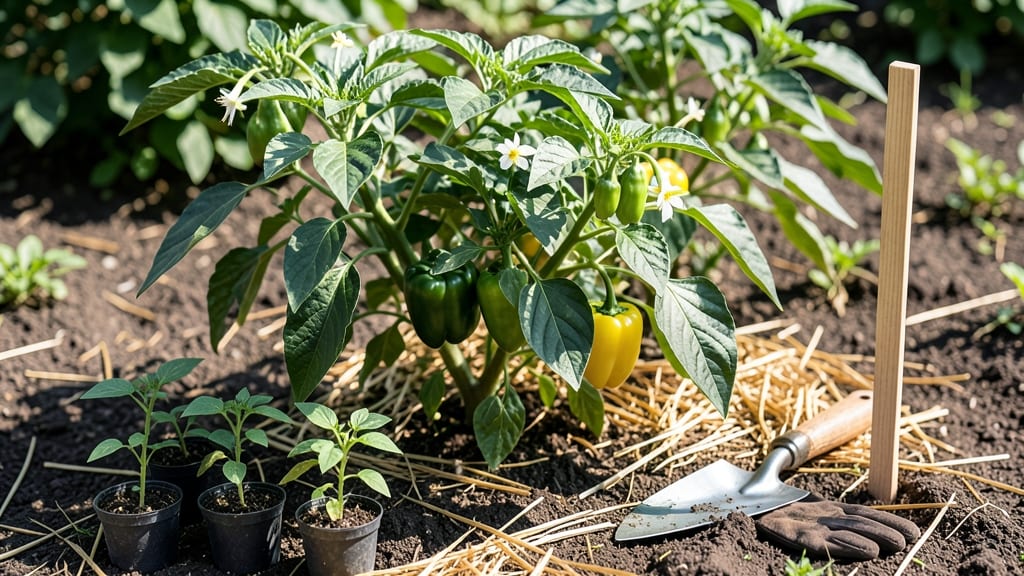
When to Plant Bell Peppers in Indiana: USDA Zone 5b/6a Heat-Loving Schedule

Plants

When to Plant Bell Peppers in Indiana: USDA Zone 5b/6a Heat-Loving Schedule

Timing your bell pepper 🌶️ planting in Indiana can mean the difference between a bountiful harvest and a sad, wilted plant. The last frost date around April 15 sets the stage, but rushing too early means frost damage, while waiting too late cuts your growing season short.

Indiana's USDA Zone 6a climate demands precision—bell peppers thrive when soil temperatures hit 60°F and stay warm. That means starting seeds indoors by March 15 or waiting until mid-May for direct sowing, depending on your microclimate.

I’ve grown bell peppers here for years, and the key is balancing patience with opportunity. Plant too soon, and frost will kill your seedlings; too late, and you’ll miss peak harvests from July to October.

Let’s break down the exact window that works for Indiana’s short but sweet growing season.

Whether you’re a first-time gardener or a seasoned pro, these insights will help you avoid common mistakes and maximize your yield. Ready to grow heat-loving peppers that actually thrive? Let’s get started.

🌶️ When to Plant Bell Pepper Bell Pepper
Jan ❄️
Feb ❄️
Mar 🌱
Apr 🌶️
May 🌶️
Jun 🌶️
Jul 🌱
Aug ☀️
Sep 🍂
Oct 🍂
Nov 🍂
Dec ❄️
Ideal Time
Also Good

Optimal planting dates for bell peppers in Indiana’s climate

Indiana’s USDA Zones 5b/6a demand precise timing for bell peppers—these heat-lovers need warm soil (60°F+) and no frost threats to thrive.

The average last frost date hovers around April 15, but your exact window depends on microclimates like northern vs. southern Indiana. Northern Indiana gardeners should wait until mid-May, while southern Indiana can plant as early as late April.

Timing this right ensures your peppers mature before first frost (October 15) and avoid stunted growth from cool soil.

Bell peppers are warm-season crops that cannot tolerate frost, even young seedlings. If planted too early, they’ll linger in cold soil and become vulnerable to disease. Conversely, planting too late risks shortened harvests—Indiana’s growing season is only about 165 frost-free days.

The sweet spot? Transplant seedlings outdoors between May 1–15 for a July–October harvest. This gives peppers 75–90 days to mature, depending on variety.

For Indiana gardeners, the safest approach is to start seeds indoors 8–10 weeks before the last frost (around February 20–March 1). Seedlings need warmth (70–85°F) and bright light to avoid legginess.

Harden off seedlings for 7–10 days before transplanting after May 1. If you’re direct-sowing, wait until soil temps hit 60°F+ (usually late May) and use row covers for early protection.

Soil temperature is the #1 factor for success—bell peppers won’t germinate below 60°F. Use a soil thermometer to confirm readiness. In northern Indiana, where soils warm slower, black plastic mulch can raise temps by 5–10°F and speed up germination. Southern Indiana gardeners may plant 2 weeks earlier, but always monitor forecasts for late frosts, especially in May.

Indiana’s microclimates add complexity—urban areas like Indianapolis often warm faster than rural northern Indiana. Check local Cooperative Extension data for your county’s historical frost dates. For example, Gary (Zone 6a) can plant 2 weeks earlier than South Bend (Zone 5b). Adjust your schedule based on elevation and proximity to lakes, which can delay spring warming.

⚠️ Critical Warning: Never plant bell peppers in cold soil—it causes poor root development and disease susceptibility.

If your soil is below 60°F in May, delay planting or use heat mats for containers. Frost damage on young plants is often fatal, so have row covers ready for unexpected cold snaps, even in June.

Stage Action Indiana Timeline Key Notes
Indoor Seed Start Sow seeds 8–10 weeks before last frost February 20–March 1 Use seed-starting mix; keep at 70–85°F
Seedling Hardening Acclimate for 7–10 days April 25–May 5 Gradually expose to outdoor temps
Transplant Outdoors After last frost, soil 60°F+ May 1–15 (Zone 6a) / May 15–30 (Zone 5b) Space 18–24" apart; mulch to retain heat

Optimal planting dates for bell peppers in Indiana’s climate

Indiana’s USDA Zones 5b/6a demand precision when planting bell peppers. These heat-loving plants won’t tolerate frost, so timing is critical. The average last frost date in Indiana falls around April 15, but soil temperature must also reach at least 60°F for successful germination.

Waiting too long risks a shorter harvest season, while planting too early exposes seedlings to deadly cold snaps.

For Indiana gardeners, the ideal window to plant bell peppers is between April 15 and May 15, after the last frost and when soil temperatures stabilize. However, this timeline varies slightly depending on whether you’re starting seeds indoors or planting directly outdoors.

Seedlings need warmth to thrive, so understanding these nuances can mean the difference between a bountiful harvest and a failed crop.

Bell peppers are typically sown indoors 8-10 weeks before the last frost, which in Indiana means starting seeds around mid-February to early March. This early start gives seedlings enough time to develop strong roots and a sturdy stem before transplanting outdoors. If you prefer direct sowing, wait until mid-May when soil temperatures consistently stay above 60°F and all frost risk has passed.

Planting Stage Indiana Timeline Key Requirements
Indoor Seed Starting Mid-February to Early March Warmth (70-80°F), bright light
Transplant Outdoors Mid-April to Early May Soil 60°F+, no frost risk
Direct Sowing Mid-May Soil 70°F+, full sun
Harvest Window July to October Peppers firm, glossy, colored

One common mistake Indiana gardeners make is rushing to plant bell peppers outdoors too soon. Even if the air feels warm, soil temperature is the true indicator.

Use a soil thermometer to check—bell peppers won’t germinate well below 60°F. If you’re in northern Indiana, where frosts linger longer, consider using row covers or a cold frame to create a warmer microclimate for early transplants.

Another key factor is succession planting. Since bell peppers take 75-90 days to mature, planting a second batch in early June can extend your harvest into late fall. This works well in southern Indiana, where summers are longer, but may not be feasible in cooler northern regions.

Always monitor your local frost-free days—Indiana averages 165 days, but this can vary by county.

For those with high tunnels or greenhouses, the planting window can be pushed even earlier. Starting seeds indoors in January and transplanting into a protected space by mid-April can give you a head start.

Just remember, bell peppers need full sun (6-8 hours daily), so even in a greenhouse, position them where they’ll receive maximum light. With the right timing and a little extra care, you can enjoy homegrown peppers straight from your Indiana garden!

★★★★★4.7(11 reviews)
Categories Plants