
Plants
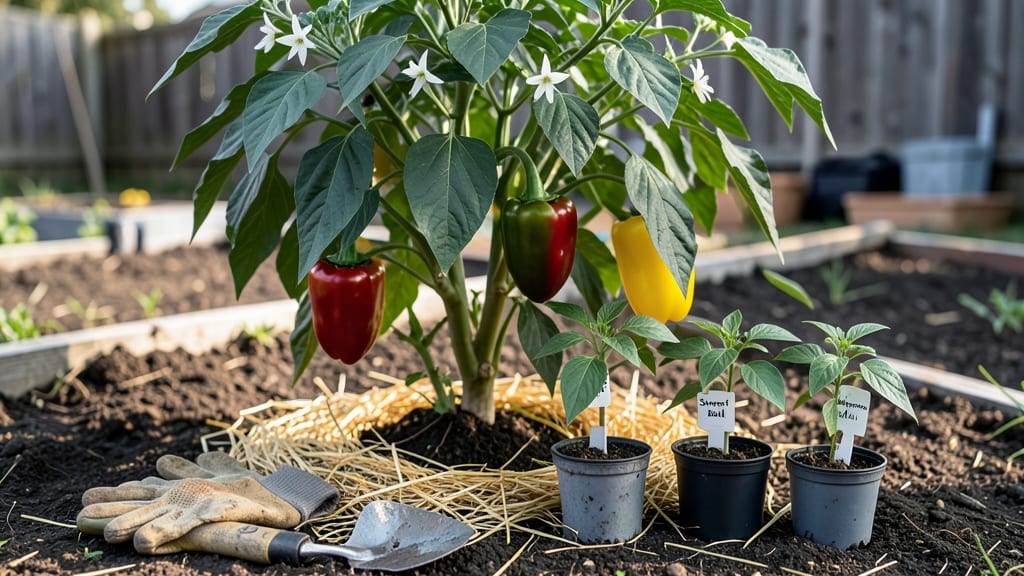
Timing your bell pepper 🌶️ planting just right in North Carolina can mean the difference between a bumper crop and wasted effort. The wrong schedule might leave your plants vulnerable to frost or cut your harvest short before fall's cool snap arrives.
With NC's diverse climate zones—from cooler mountain regions to warmer coastal areas—there's no one-size-fits-all answer. But getting these dates right is the key to avoiding common mistakes like stunted growth or blossom-end rot that plague many gardeners.
I'll show you exactly when to plant in your specific county, whether you're in the Piedmont's 7a zone or the coast's 8b climate. You'll learn how to calculate your local frost-free window and adjust for microclimates that can shift planting by weeks.
By the end, you'll have a clear 5-step checklist for transplanting seedlings and extending your harvest into October. Let's get those peppers growing on schedule!
North Carolina bell pepper planting dates by climate zone (with county examples)
North Carolina spans five USDA hardiness zones (5b through 8a), meaning bell pepper planting dates can shift dramatically from the mountains to the coast. In zone 5b (like Asheville), you’ll need to wait until late May, while zone 8a gardeners in Wilmington can plant as early as mid-April.
The key is aligning your timing with your last average frost date—typically March 15 to April 15—and ensuring soil temperatures stay above 60°F.
Bell peppers thrive in warmth, so rushing them into cold soil can stunt growth or trigger blossom-end rot. Most varieties need 70–90 days of frost-free conditions to mature, so count backward from your first expected frost (usually October 15–November 15) to determine your ideal transplant window.
For example, if your first frost is November 1, aim to plant by July 15 for a fall harvest.
Here’s how to adjust for your specific region:
| Zone | County Examples | Last Frost Date | Planting Window | Fall Harvest Window |
|---|---|---|---|---|
| 5b | Asheville, Boone | April 15–May 1 | May 15–June 15 | August 15–September 15 |
| 6a | Raleigh, Greensboro | March 20–April 5 | April 15–May 15 | July 15–August 15 |
| 7a | Charlotte, Fayetteville | March 1–March 15 | March 20–April 30 | June 15–July 15 |
| 7b | Durham, Wilmington | February 28–March 10 | March 1–April 15 | May 15–June 15 |
| 8a | Jacksonville, Outer Banks | January 15–February 1 | February 1–March 15 | April 1–May 1 |
For mountain regions (like zone 5b), elevation adds another layer of complexity. Areas above 3,000 feet (e.g., Cherokee) may experience frost until May 10, delaying planting until late May. Use a soil thermometer to confirm warmth—bell peppers won’t thrive until soil hits 60°F consistently.
If your soil is cold but air temperatures are warm, consider using black plastic mulch to accelerate heating.
Coastal areas (zone 8a) enjoy longer growing seasons, but humidity and heat stress can become issues. Opt for heat-tolerant varieties like ‘Carolina Wonder’ or ‘Aristotle’ and provide afternoon shade during peak summer months to prevent sunscald. In these zones, you can even squeeze in a fall transplant around
How to time bell pepper transplants for NC’s short growing season
North Carolina’s short growing season means timing your bell pepper transplants perfectly is key to avoiding frost damage and maximizing harvests. Since bell peppers need 70–90 days of warmth, planting too late can leave you with underripe peppers by fall.
The trick? Start seeds indoors or time your transplants to align with your local last frost date and heat unit accumulation.
For most of NC, this means transplanting seedlings 2–4 weeks after your last frost date. In cooler zones like the mountains (Zone 5b–6a), aim for early May, while coastal areas (Zone 8a) can plant as late as mid-June.
Always check your soil temperature—bell peppers won’t thrive until the ground reaches 60°F+. A soil thermometer is your best friend here!
To extend your season, consider succession planting or using row covers. Plant a second batch in early August for a fall harvest, especially in warmer zones. Just be sure to choose shorter-day varieties like ‘Early California Wonder’ or ‘Carolina Wonder’—they mature faster in NC’s abbreviated summer.
🌱 Bell Pepper Transplant Timeline for NC
| Stage | Action | Notes |
|---|---|---|
| 8–10 Weeks Before Last Frost | Start seeds indoors | Use grow lights; keep soil at 70–80°F |
| 2–3 Weeks Before Transplant | Hardening off seedlings | Gradually expose to outdoor conditions |
| After Last Frost (Soil 60°F+) | Transplant outdoors | Space 18–24 inches apart; mulch to retain heat |
| August (For Fall Harvest) | Succession plant | Use row covers to protect from early frost |
Don’t forget to harden off your seedlings before transplanting. Over 5–7 days, gradually increase their outdoor exposure from 2 hours to full sun. This toughens them up and reduces transplant shock. For extra protection in early spring, use black plastic mulch—it warms the soil faster and suppresses weeds.
Pro tip: Use a planting calendar from the NC State Extension to pinpoint your exact last frost date. Their interactive maps account for microclimates, so you’re not guessing. And if you’re in a high-elevation area like Asheville, plant 2 weeks later than the zone average—cool nights slow pepper development.
Once your peppers are in the ground, monitor for blossom-end rot, a common issue caused by inconsistent watering. Keep soil moisture even and mulch heavily to retain humidity. With the right timing, you’ll enjoy fresh, homegrown bell peppers from July through October—or even later with fall planting! 🌶️