
Plants
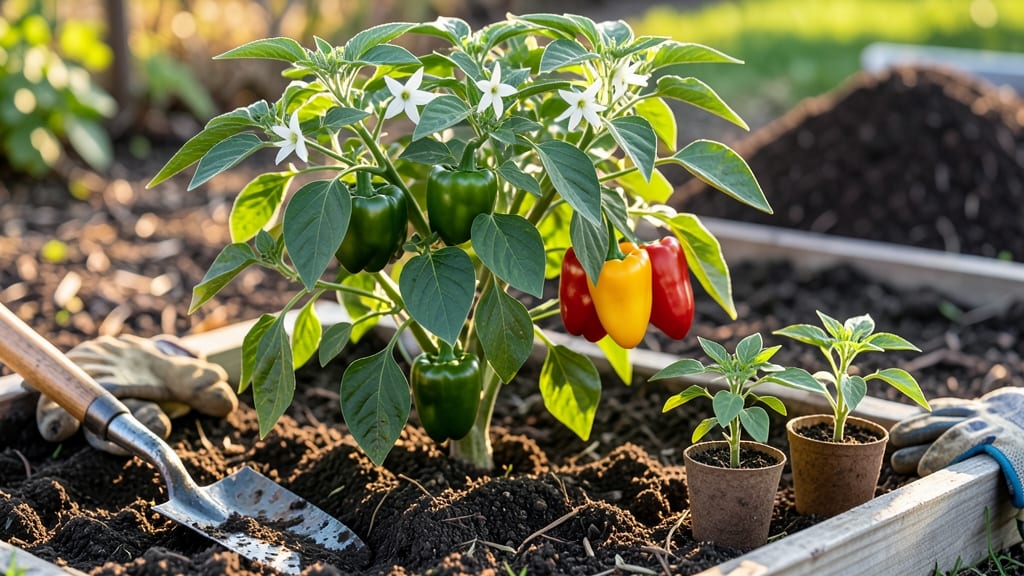
Timing your 🌶️ bell pepper planting in California could mean the difference between a bumper crop and a total flop—especially when coastal fog meets inland heatwaves. The wrong window, and you’ll either face frost damage or watch your plants wilt under summer’s intensity.
Here’s the game-changer: your planting schedule depends entirely on where you live in the Golden State. Coastal gardeners in San Francisco can start as early as February, while inland valleys like Sacramento wait until March to avoid late frosts.
Desert regions? You’ve got a narrower window—plant in February or March before the heat kicks in.
I’ll break down the exact months for your region, plus pro tips for soil warmth, succession planting, and variety choices that thrive in California’s 9b-11 zones. Skip the guesswork and get your garden prepped for a harvest that’ll last from summer into fall.
Ready to turn your backyard into a pepper powerhouse? Let’s dive into the perfect planting calendar tailored to your microclimate—because in California, timing isn’t just important, it’s everything.
California bell pepper planting calendar by region: coastal vs inland start dates
California’s microclimates create dramatic differences in bell pepper planting success. Coastal areas like San Francisco enjoy mild winters, while inland valleys (Sacramento, Fresno) face occasional frost, and desert regions (Palm Springs) bake early.
Your planting window could shift by 6-8 weeks depending on location—get this wrong, and you’ll face stunted growth or heat stress.
Most California gardeners focus on spring planting (February-April), but fall transplants work in coastal areas with warm soil. The key is soil temperature: bell peppers need 70°F+ soil to thrive. Use a soil thermometer—if it’s below 65°F, wait or use black plastic mulch to warm the ground faster.
Here’s how to align your planting with California’s three distinct zones, including last frost dates and heat tolerance thresholds for each region:
| Region | Ideal Planting Window | Last Frost Date | Soil Temp Requirement | Key Varieties |
|---|---|---|---|---|
| Coastal (San Francisco, Santa Barbara) | Feb 15 – Apr 15 | None (mild winters) | 70°F+ (use mulch if <65°F) | 'Jupiter', 'Early Cal Wonder' |
| Inland Valleys (Sacramento, Fresno) | Mar 1 – Apr 30 | Jan 15 (rare frost) | 75°F+ (wait for warmth) | 'Aristotle', 'King of the North' |
| Desert (Palm Springs, Riverside) | Feb 1 – Mar 15 | None (hot year-round) | 80°F+ (shade cloth needed) | 'NuMex Sandia', 'Carmen' |
🌶️ Pro Tip: Coastal gardeners can plant twice yearly (spring + fall), while inland areas should stick to spring only.
For coastal California, start seeds indoors in January and transplant February-March. The San Francisco Bay Area averages 365 frost-free days, so you can even try fall transplants in August-September for a late harvest. Use row covers if nights dip below 50°F.
Inland valleys like the Central Valley (Sacramento, Fresno) have 270-300 frost-free days. Plant after March 1 to avoid late frosts, which can kill young seedlings.
If you’re in Zone 9a, wait until April 15 for safety. Heat-loving varieties like 'Aristotle' thrive here but need consistent watering during summer’s 100°F+ days.
Desert regions (Palm Springs, Riverside) are the earliest to plant—start seeds indoors in January and transplant by February 15. The soil heats up faster than other regions, but afternoon shade is critical to prevent blossom drop.
Use 50% shade cloth during peak heat (May-July) to protect plants.
If you’re unsure about your local microclimate, check the USDA Plant Hardiness Zone Map and add 5°F for coastal areas (they’re warmer than listedSan Francisco (Zone 9b) feels like Zone 10a due to coastal influences. Use this to adjust your planting timeline.
For urban gardeners in cities like Los Angeles, split the difference: plant coastal varieties (e.g., 'Jupiter') in February-March and inland varieties (e.g., 'Aristotle') in late March-April. This succession planting strategy extends your harvest from June to October.
Remember: Soil temperature matters more than air temperature. Test your soil with a thermometer—if it’s below 65°F, delay planting or use black plastic mulch for 2-3 weeks to warm it up. This is especially critical in inland valleys where cool nights can stall growth.
🌱 Key Takeaway: Coastal areas plant earlier
California’s weather can throw curveballs—one day it’s chilly coastal fog, the next it’s a scorching heatwave. Bell peppers hate both extremes, so timing your planting to avoid these surprises is key. The soil temperature must reach 70°F+ for seeds to germinate, but coastal areas like San Francisco can stay cool well into April. Meanwhile, inland valleys like Sacramento may hit 90°F by May, stressing young plants. Use black plastic mulch or row covers to warm soil faster in cooler zones. I’ve had success with Jupiter peppers planted in March under row covers, which gave them a 2-week head start against late frosts. For desert areas like Palm Springs, start seeds indoors in February to transplant before the April heatwave arrives. 🌱 For coastal fog zones, choose heat-tolerant varieties like 'Aristotle' or 'King of the North', which handle 60°F nights better than standard types. In desert regions, opt for early-maturing varieties (e.g., 'Early Cal Wonder') to harvest before summer’s intense heat sets in. I’ve seen NuMex Sandia thrive in Palm Springs when planted in February—its drought resistance is a lifesaver during June-July dry spells. Succession planting is your best friend. Plant every 2-3 weeks from March to May to stagger harvests. This ensures you’re always getting fresh peppers, whether you’re battling coastal chill or inland heat. For container gardens, use 5-gallon pots with heat-absorbing fabric to moderate soil temps—critical for urban areas like Los Angeles where microclimates vary block by block. Monitor your local USDA Zone (California ranges from 9b-11) and set up a soil thermometer—it’s your early warning system. I keep mine buried 2 inches deep; when it hits 70°F for 5 days straight, it’s go-time for transplanting. And if forecasts predict rain, delay planting by 1-2 weeks—wet soil stays cold longer, slowing germination. Pro tip: Use shade cloth (30-50%) for young plants in desert areas during June-August to prevent heat stress. I’ve saved entire crops this way when temps hit 105°F. Pair this with deep watering at sunrise, and your peppers will thank you with bigger, sweeter yields—even in California’s wildest weather.How to adjust planting for California’s unpredictable weather patterns
California’s January-February warm spells can trick you into planting early. Wait until 3 consecutive days above 55°F before transplanting—late frosts in March (like the 2021 Sacramento freeze) can wipe out young plants overnight.