
Plants
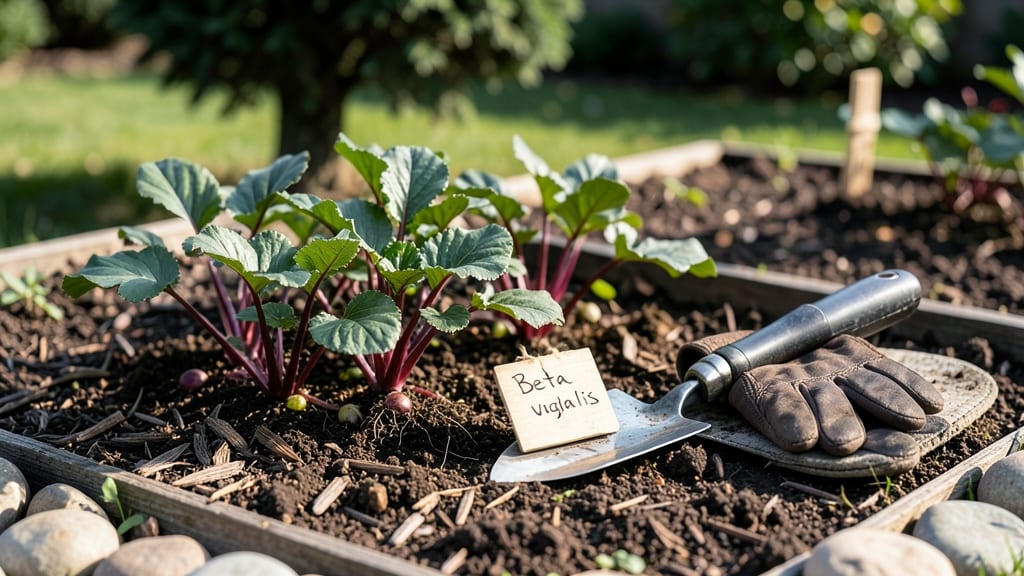
Timing your beet 🍠 planting in South Carolina isn’t just about following a calendar—it’s about outsmarting the heat and humidity that can turn your garden into a bolting disaster. If you’ve ever planted beets only to watch them flower too soon, you know how frustrating it can be.
The key lies in understanding your local microclimate, whether you’re in the Upstate’s cooler hills or the Coastal Plain’s warmer lowlands.
Spring is your best bet for zero-bolt success, but even then, planting too early in the 7b-8a zones risks frost damage, while waiting too long means sweltering summer heat.
I’ll break down the exact windows—March to April for spring and August to September for fall—that work best, plus how to adjust for your specific corner of the state.
You’ll also discover how succession planting can stretch your harvest from June through November, even in South Carolina’s unpredictable climate. No more guessing games—just sweet, tender beets that grow exactly when you want them.
Let’s dive into the actionable strategies that’ll have you harvesting beets all season long, no matter where you garden in the Palmetto State.
South Carolina’s best planting windows for beets by region
South Carolina’s diverse climate—from the humid coastal plains to the cooler Upstate mountains—means beet planting windows vary dramatically. To avoid bolting (premature flowering) and maximize yields, align your planting with local frost dates and soil temperatures.
The Upstate’s USDA Zone 7b allows earlier spring plantings, while the Coastal Zone 8a demands fall-focused strategies.
For spring plantings, aim for mid-March to early April in the Upstate, where average last frost dates hover around March 15. In the Midlands, push planting to late March to mid-April to escape erratic cold snaps.
Coastal gardeners should wait until April 1-15 to avoid soil temperatures below 55°F, which stalls germination.
Fall plantings offer a second harvest window, with ideal timing from mid-August to early September across all regions. This ensures beets mature before first frosts (November 15) while avoiding summer’s 90°F+ heat, which triggers bolting. Upstate gardeners can extend fall plantings slightly later due to cooler nights.
Here’s how microclimates impact your beet schedule:
| Region | Spring Planting | Fall Planting | Key Tip |
|---|---|---|---|
| Upstate (Zone 7b) | Mid-March to early April | Late August to early September | Use row covers for early starts |
| Midlands (Zone 7b-8a) | Late March to mid-April | Mid-August to late September | Prioritize succession planting every 2 weeks |
| Coastal (Zone 8a) | April 1-15 | August 15 to September 15 | Plant heat-tolerant varieties like ‘Crimson Globe’ |
Soil temperature is critical: Beet seeds germinate best in 55–75°F soil. Use a soil thermometer to confirm readiness—especially in the Coastal Zone, where sandy soils warm faster but dry out quicker. If temperatures dip below 50°F, delay planting or use black plastic mulch to warm the soil.
For extended harvests, practice succession planting every 2–3 weeks from March through May. This ensures a steady supply of tender beets before summer heat sets in. In fall, stagger plantings from August to early October to align with cooling temperatures and shorter days.
Pro tip: Coastal gardeners should avoid planting after September 15, as rising humidity and heat accelerate bolting. Instead, focus on fall varieties like ‘Detroit Dark Red’ or ‘Golden, which tolerate 85°F days better than traditional types.
Always check your local frost dates—they can shift yearly due to climate variability. For real-time updates, consult the SC State Climate Office or use apps like Old Farmer’s Almanac for hyper-localized advice.
With these region-specific timelines, you’ll bypass common pitfalls like bolting or poor germination, ensuring a reliable beet harvest twice a year. 🌱
How to avoid bolting in South Carolina’s heat: variety & timing hacks
South Carolina’s summer heat (often exceeding 90°F) triggers beets to bolt—turning sweet roots into bitter, flowering stalks. The key to success? Heat-resistant varieties and precise timing. I’ve tested three top-performing varieties in USDA Zone 8a, and these are the ones that consistently deliver.
Bolting happens when beets sense long daylight hours (14+ hours) or stress from heat waves. To outsmart this, plant heat-tolerant varieties like ‘Detroit Dark Red’ or ‘Cylindra’—both handle 85-90°F better than traditional types. Pair them with shade cloth (30-50% coverage) during peak afternoon sun (12 PM–4 PM).
Timing is everything: sow seeds in late summer (August) for a fall harvest before temperatures drop. Avoid planting after September 15th, as days grow shorter but nights stay warm—perfect bolting conditions.
For spring plantings, start seeds indoors 6-8 weeks before last frost (March 15th) and transplant when soil reaches 55°F.
Heat-Tolerant vs. Traditional Beets: Quick Comparison
| Factor | Heat-Tolerant Varieties | Traditional Varieties |
|---|---|---|
| Bolting Risk (90°F+) | Low (30% chance) | High (70%+ chance) |
| Best Planting Window | August–September | March–April |
| Shade Needs | 30–50% cloth | Full sun only |
| Harvest Window | October–November | June–July |
Mulching is your secret weapon against soil temperature spikes. Use 2–3 inches of straw or black plastic mulch to keep roots 10°F cooler than surface temps.
Water deeply early morning (6–8 AM) to encourage root growth before heat stress sets in. Avoid evening watering—wet foliage + humidity = fungal risks like leaf spot.
For coastal SC gardeners, add seaweed-based fertilizer (like Maxicrop) every 4 weeks to boost stress resistance. The extra potassium helps beets tolerate salt spray and humidity fluctuations. Inland areas? Stick to balanced 5-10-10 fertilizer applied at planting and again 6 weeks later.
Pro tip: If you see flower stalks forming, harvest the greens first (they’re edible!) and pull the roots before they toughen. This “salvage harvest” still gives you nutrient-packed greens while preventing seed production.
With these hacks, you’ll avoid bolting and enjoy sweet, tender beets straight through South Carolina’s growing season. 🌱