
Plants
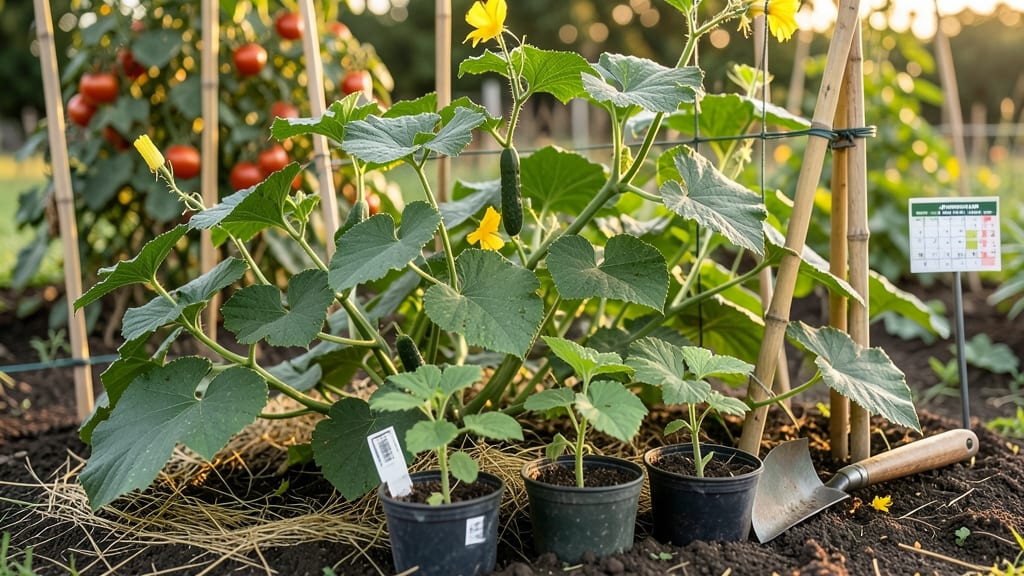
Timing your cucumber 🥒 planting in South Carolina can make or break your harvest—get it wrong, and you might end up with bitter fruit or wasted effort. The key lies in understanding your specific heat zone (7b-8a) and working with the state's unpredictable spring and summer weather patterns.
For most gardeners here, the ideal window opens in mid-March for early varieties, but true success comes when soil temperatures hit at least 60°F—usually around late April. That's when those fast-growing vines finally get the warm start they crave.
But here's the catch: South Carolina's climate gives you two chances—spring planting for June-October harvests or late summer for fall production. I'll show you exactly how to time both for maximum yield, plus pro tips to beat heat stress or early frosts that could ruin your crop.
Whether you're a first-time gardener or a seasoned grower, these exact planting dates and simple adjustments will help you avoid common mistakes and enjoy homegrown cucumbers all season long. Let's get those seeds in the ground at the perfect moment!
South Carolina cucumber planting dates by heat Zone (USDA Zones 7b-8b)
South Carolina's humid subtropical climate creates two ideal windows for planting cucumbers: spring and late summer. The key is aligning your planting with soil temperatures and frost-free dates—typically mid-March to late July for spring and late July to early September for fall.
Let's break down the exact timing for each USDA heat zone in the state.
For USDA Zone 7b (cooler regions like the Upstate), the last frost usually occurs around March 15. This means you can start direct sowing seeds in mid-April after the soil warms to 60°F+.
In Zone 8a (coastal and lower regions), the frost-free date arrives earlier—around February 28—so you can plant as early as late March.
Here’s the comparison table for your reference, including transplanting windows and harvest expectations:
| Zone & Region | Last Frost Date | Direct Sowing Window | Transplant Window | Harvest Window |
|---|---|---|---|---|
| Zone 7b (Upstate: Greenville, Spartanburg) | Mid-March | Mid-April to May 15 | April 15 to May 30 | June–October |
| Zone 8a (Piedmont: Columbia, Rock Hill) | Late February | Late March to May 1 | March 30 to May 15 | May–October |
| Zone 8a (Coastal: Charleston, Myrtle Beach) | Early February | Early March to April 30 | March 15 to May 1 | April–November |
| Fall Planting (All Zones) | N/A | Late July to August 15 | August 1 to September 1 | September–November |
For Zone 7b gardeners, I recommend starting seeds indoors in late February to give seedlings a head start. Transplant them outdoors after the last frost, ideally when nighttime temperatures stay above 55°F.
In Zone 8a, you can skip indoor starts and sow directly into the garden once the soil hits 60°F.
If you're in the coastal areas, take advantage of the earlier frost-free date by planting bush varieties like 'Bush Champion' or 'Spacemaster' for smaller spaces. These varieties mature faster, giving you a 30-day head start on harvest compared to vining types.
For fall planting, focus on heat-tolerant varieties like 'Straight Eight' or 'Marketmore 76'. These cucumbers thrive in late summer heat and can handle shortened daylight better than other types. Plant them 8–10 weeks before your first frost, which is typically mid-November in most of South Carolina.
Pro tip: Use a soil thermometer to confirm your soil is warm enough. Cucumbers won’t germinate below 60°F, and cooler soils can lead to damping off or stunted growth. If your soil is still cold, consider using black plastic mulch to warm it up faster.
Remember, succession planting every 2 weeks in spring and fall ensures a continuous harvest. This works especially well for bush varieties, which produce fruit more quickly than vining types.
🌱
South Carolina cucumber planting dates by heat Zone (USDA Zones 7b-8b)
South Carolina’s humid subtropical climate creates two ideal windows for growing cucumbers: spring and fall. USDA Zones 7b-8b experience last frost dates between mid-March and early April, while first frosts arrive around mid-November. Timing your plantings around these dates ensures maximum vine health and fruit production.
For spring plantings, aim to sow seeds or transplant seedlings 2-3 weeks after your last frost date. In most of SC, this means early April to mid-May.
For fall plantings, start seeds late July to early August to allow 60-70 days of growth before frost. Soil temperature is critical—wait until it reaches at least 60°F for optimal germination.
| USDA Zone | Last Frost Date | Spring Planting Window | Fall Planting Window | Soil Temp Requirement |
|---|---|---|---|---|
| 7b (Charleston, Hilton Head) | Mid-March | Early April - Mid-May | Late July - Early August | ≥60°F |
| 8a (Columbia, Greenville) | Early April | Mid-April - Late May | Late July - Early September | ≥60°F |
| 8b (Upstate: Greer, Spartanburg) | Late March | Late April - Early June | Early August - Mid-September | ≥60°F |
If you’re growing bush varieties (like Bush Champion), you can plant slightly earlier in Zone 8b since they mature faster. Vining types (e.g., Straight Eight) need the full 60-70 days to produce, so stick to the later windows. Black plastic mulch can help warm soil faster, allowing you to plant 1-2 weeks earlier in spring.
For container gardening, start seeds indoors 4-6 weeks before your last frost date. Use biodegradable pots to transplant seedlings directly into the ground after frost risk passes. Upstate SC gardeners in Zone 8b can even try early spring sowings under row covers for a head start.
Pro tip: Check your local Cooperative Extension Service for microclimate adjustments.
Areas near large bodies of water (like Charleston) may have warmer springs, while inland regions (like Greenville) might need to wait until late April for safe planting. Always monitor soil temps—a simple soil thermometer ($10 at garden centers) prevents costly mistakes.
Remember, cucumbers thrive in heat but struggle with extreme humidity. Planting too early risks powdery mildew, while late plantings may see bitter fruit from heat stress. Balance is key! 🌱