
Plants
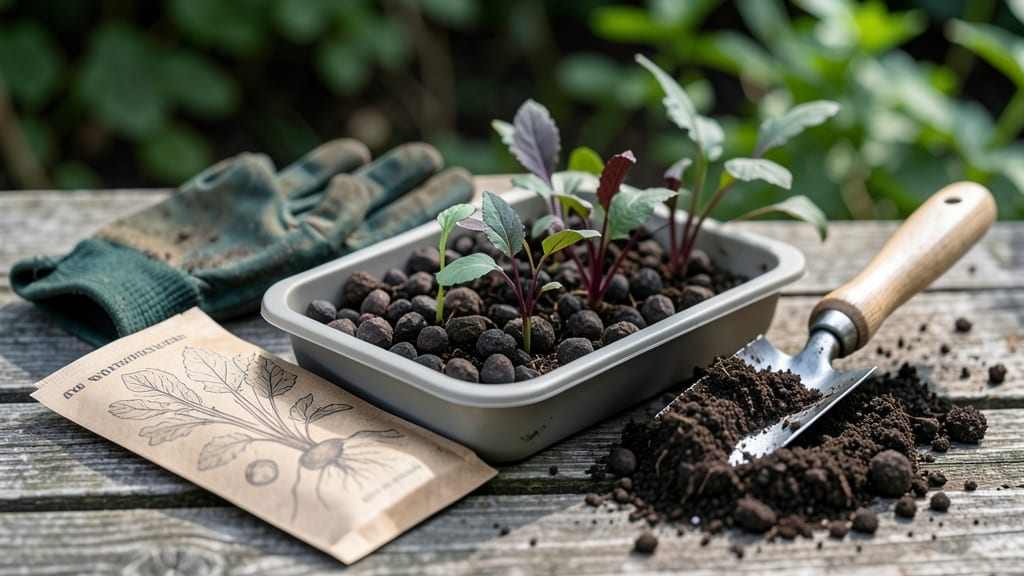
Knowing when to plant beet seeds in Zone 6 makes the difference between a bumper crop of sweet, tender 🍠 roots and a disappointing harvest.
Too early, and your beets might bolt before they even get a chance to grow; too late, and you’ll miss the prime window for those deep, flavorful roots you love.
In Zone 6, where last frost typically hits around April 15, timing is everything. Planting your beet seeds 4-6 weeks before that final frost date—ideally between March 15 and April 30—gives them the perfect head start.
But there’s more to it than just dates: soil temperature, variety choices, and even the time of day you plant can impact your success.
If you’re aiming for a fall harvest, you’ll want to sow again in early September, giving your beets time to mature before the first frost in October.
This two-season approach ensures a steady supply of fresh beets straight from your garden, whether you’re craving them in summer salads or roasted for winter meals.
Let’s break down the exact steps, from soil prep to succession planting, so you can enjoy a thriving beet patch all season long—no guesswork required.
Optimal planting weeks before last frost in Zone 6 for maximum yield
In Zone 6, the last frost date usually falls around April 15, but your exact window depends on whether you’re in 6a (earlier frost) or 6b (later frost).
For maximum yield, plant beet seeds 4-6 weeks before your last frost—typically between March 15 and April 30. This timing ensures your beets mature before summer heat triggers bolting (flowering too soon).
Beets thrive in soil temperatures above 50°F. Use a soil thermometer to confirm warmth before sowing. If your soil is still chilly, opt for cold-hardy varieties like Detroit Dark Red or wait until soil reaches 55°F for faster germination.
Early planting risks slow growth, while late planting may lead to small, woody roots.
Here’s the golden rule: Sow seeds ½ inch deep and 1 inch apart in rows spaced 12-18 inches apart. Thin seedlings to 3-4 inches apart when they’re 2 inches tall to prevent competition. This spacing gives roots room to grow bold and straight, not forked or misshapen.
For fall harvests, aim to plant seeds 8-10 weeks before your first frost (around September 1-October 15 in Zone 6). Fall-planted beets often taste sweeter because cooler temps reduce their natural sugar-converting enzymes. Just ensure they mature before hard frosts, which can damage tender roots.
🌱 Zone 6 Beet Planting Timeline
| Stage | Action | Soil Temp | Notes |
|---|---|---|---|
| Early Spring | Sow seeds 4-6 weeks before last frost | 50°F+ | Use row covers if frost threatens |
| Late Spring | Succession plant every 2 weeks | 55°F+ | Avoid planting after May 15 to prevent bolting |
| Fall | Sow seeds 8-10 weeks before first frost | 50°F+ | Harvest before hard frosts (below 25°F) |
| Harvest | Pull roots when 1-3 inches wide | N/A | Store in cool, dark place for 1-2 weeks |
If you’re in northern Zone 6a, err on the earlier side (March 15-April 15) to account for colder soils. In southern Zone 6b, you can push planting to late April without risking frost.
Always check your local frost dates—tools like the Old Farmer’s Almanac or PlantMaps app provide hyper-local data.
Pro tip: Direct-sow seeds instead of starting indoors—beets hate transplanting and develop forked roots when disturbed. Use a seed starter kit or mark rows with stakes to avoid over-planting. Overcrowding leads to small, misshapen roots, so spacing is non-negotiable for gourmet-quality beets.
For bolting prevention, avoid planting after mid-May in Zone 6. Heat stress triggers flowering, turning your edible roots into seed stalks. If you love beet greens, let some plants bolt—they’re nutrient-packed and delicious in salads! But for roots, timing is critical.
Once planted, maintain consistent moisture—beets need 1 inch of water per week. Use drip irrigation or soaker hoses to keep soil evenly damp, especially during root development. Mulch with straw or grass clippings to retain moisture and suppress weeds, which compete for nutrients.
Remember: Zone 6’s short growing season demands efficiency. By mastering these planting windows, you’ll enjoy homegrown beets from June to November—no store-bought substitutes needed! 🌱
How to extend your beet harvest: succession planting strategies for Zone 6
Succession planting is my secret to beating Zone 6’s short growing season and heat-induced bolting. By sowing beet seeds in 3 strategic batches, you’ll enjoy fresh harvests from June through November—no gaps, no waste.
The key? Spacing out plantings by 3-4 weeks to match beet’s 50-70 day maturity.
Start your first batch 4-6 weeks before last frost (around March 15 in most of Zone 6). This gives seedlings time to establish before soil warms. Choose early varieties like Detroit Dark Red (50 days) for your first round—they handle cooler soil better than heat-lovers like Chioggia (60 days).
For your fall harvest, time the final batch 8-10 weeks before first frost (around September 1). This ensures beets mature before October’s chill. Use bolting-resistant varieties like Boltardy—they’re bred to handle Zone 6’s late-summer heat spikes.
Watch for heat stress signs: yellowing leaves or premature flowering mean it’s time to shade cloth or succession plant again. In Zone 6a (colder sub-zone), push your last batch to August 15 to avoid frost. In Zone 6b, you can stretch to September 15 with proper mulching.
Label each batch clearly—mixed harvests confuse flavor and texture! Store extra seeds in a cool, dark place for next year’s succession planting. With this method, I’ve gone from 2 months to 6 months of beet harvests in my Zone 6 garden. 🌿
Pair your beet batches with companion plants like lettuce (shade-tolerant) or onions (pest-repellent) to maximize space. Rotate planting spots yearly to prevent soil depletion—beets are heavy feeders! 🌱