
Plants
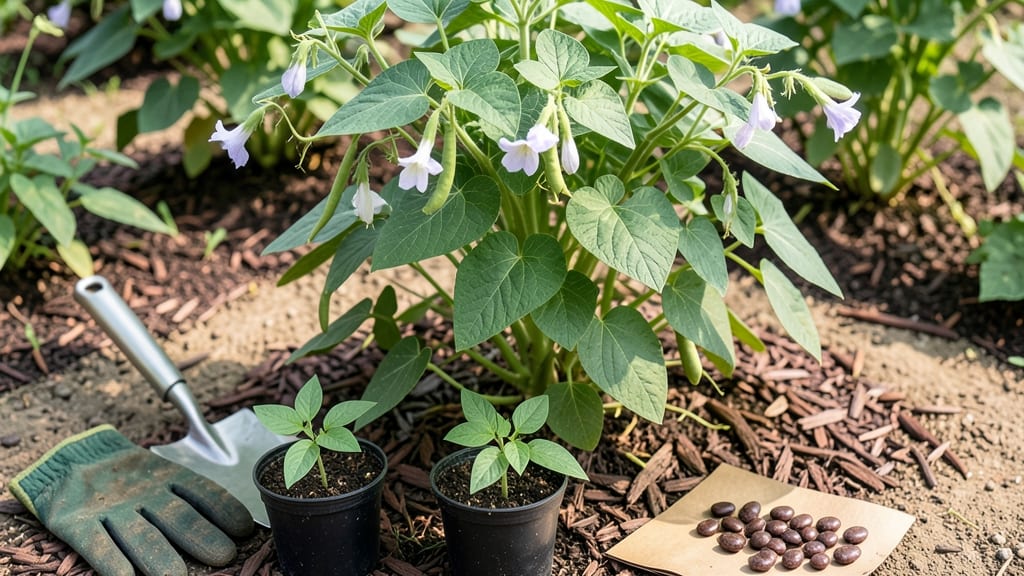
Timing your bean planting in Utah can make or break your harvest—get it wrong, and you’ll battle late frosts or stunted growth. The right window means lush, productive 🌱 plants thriving from Cache County’s high desert to Salt Lake City’s urban gardens.
Unlike coastal regions, Utah’s varied elevations and microclimates create a tricky balance—too early, and frost zaps your seedlings; too late, and summer’s short growing season rushes by. I’ll break down the exact frost-free deadlines by county and heat zone so you can plant with confidence.
We’ll also tackle Utah’s unique challenges: how to protect tender seedlings from lingering cold snaps, which fast-maturing varieties thrive in USDA Zones 5-9, and when to start seeds indoors versus direct sowing. No more guesswork—just a foolproof plan for a bountiful bean harvest.
Ready to turn your garden into a bean powerhouse? Let’s dive into the perfect planting schedule that actually works for Utah’s unpredictable climate.
Utah’s bean planting deadlines by county heat zones
Utah’s USDA hardiness zones 4–8 mean your bean planting window shifts dramatically from St. George’s desert heat to Park City’s late frosts. In Cache County (Zone 6), you’ll plant 2–3 weeks earlier than in Washington County (Zone 8).
Missing these deadlines risks frost damage or stunted growth, but timing it right ensures a bountiful harvest from July to October.
Most Utah gardeners focus on spring planting, but fall varieties thrive in warmer regions like Southern Utah. For example, pole beans in Zone 7 (Salt Lake County) need to hit the ground by May 15 to mature before first frost (typically October 15).
Meanwhile, bush beans in Zone 4 (Rich County) can wait until June 1 for safer germination.
Here’s how to align your planting with Utah’s microclimates and last-frost averages:
| County | USDA Zone | Last Frost (Avg.) | Safe Planting Window | Harvest Window |
|---|---|---|---|---|
| Cache County | 6 | April 30 | May 10–June 15 | July 15–Sept 15 |
| Salt Lake County | 7 | April 15 | April 25–May 30 | June 15–Oct 1 |
| Washington County | 8 | March 1 | March 15–April 15 | May 1–Nov 1 |
| Davis County | 6b | April 25 | May 5–June 10 | July 1–Sept 30 |
| Summit County | 5 | May 15 | June 1–July 1 | Aug 1–Sept 15 |
For direct sowing, wait until soil temps reach 60°F (use a soil thermometer to check). In cooler zones like Summit County, start indoor seedlings in late April and transplant after May 15.
Southern Utah’s Zone 8 allows fall planting—sow August–September for a late-season harvest before first frost.
Pro tip: Use row covers to extend your planting window by 2–3 weeks in high-altitude areas. This trick works wonders in Park City or Ogden, where late frosts are common. Just remove covers when beans flower to prevent heat stress.
If you’re growing pole beans, give them 6–8 feet of space and plant near a trellis or fence. Bush beans need 4–6 inches apart in rows 18–24 inches apart. Snap peas (technically a bean!) thrive in cooler Utah springs—plant them 2–3 weeks before your last frost for an early harvest.
Watch for soil moisture—beans need 1–1.5 inches of water weekly. In Utah’s dry climate, mulch heavily to retain moisture, especially in sandy soils like those in Cache Valley. Avoid overhead watering to prevent fungal diseases like bean rust, common in humid lowland areas.
For succession planting, sow new seeds every 2 weeks after your initial planting. This ensures a continuous harvest through September. In Southern Utah, you can even squeeze in a second fall crop if you plant by July 15.
Remember: Frost-sensitive varieties like Roma beans need 90+ days to mature—stick to 50–60-day varieties in shorter Utah seasons. Varieties like Blue Lake or Kentucky Wonder are reliable choices for most Utah counties.
How to adjust planting for Utah’s microclimates
Utah’s geography throws curveballs at gardeners—think Park City’s alpine chill versus St. George’s desert heat. These microclimates can shift your bean planting window by 3-4 weeks, so knowing how to adapt is key.
For example, beans in high-altitude Cache Valley need a later start than those in Salt Lake City’s urban heat island, where soil warms faster. The trick? Soil temperature matters more than calendar dates—aim for 60°F+ at 2 inches deep before planting.
For desert regions (Washington, Kane Counties), start beans 2 weeks earlier—soil heats up faster, but mulch heavily to retain moisture. In urban areas like Salt Lake City, black plastic mulch can warm soil by 10°F, letting you plant 1-2 weeks ahead of rural zones.
If you’re in shaded microclimates (e.g., under trees), opt for pole beans—they tolerate lower light better than bush varieties. Pro tip: Test soil temperature with a soil thermometer ($10 at garden centers) to avoid guesswork.
Succession planting is your secret weapon for Utah’s short season. After your first harvest, sow new seeds every 2 weeks until mid-July to keep beans coming. In hotter zones (like St. George), shade cloth (30-50%) prevents beans from bolting prematurely. For high-altitude gardens, extend the season with cold frames—they can add 4-6 weeks to your harvest window.
Companion planting also helps mitigate microclimate challenges. Pair beans with corn and squash to create a three-sisters garden, which improves soil warmth and moisture retention. Avoid planting near onions or garlic—they stunt bean growth. If your area has late spring frosts (common in Utah County), use frost cloth until danger of frost passes. Remember: Beans hate cold feet, so prioritize south-facing beds for faster warming.
Adjust watering based on your microclimate too. Desert areas need deep, infrequent watering (every 3-4 days), while high-altitude gardens may require daily checks for moisture. Always water early morning to prevent fungal diseases like bean rust, which thrives in Utah’s humid lowland areas. With these tweaks, you’ll turn Utah’s quirks into harvest gold—not headaches! 🌱💧☀️