
Plants
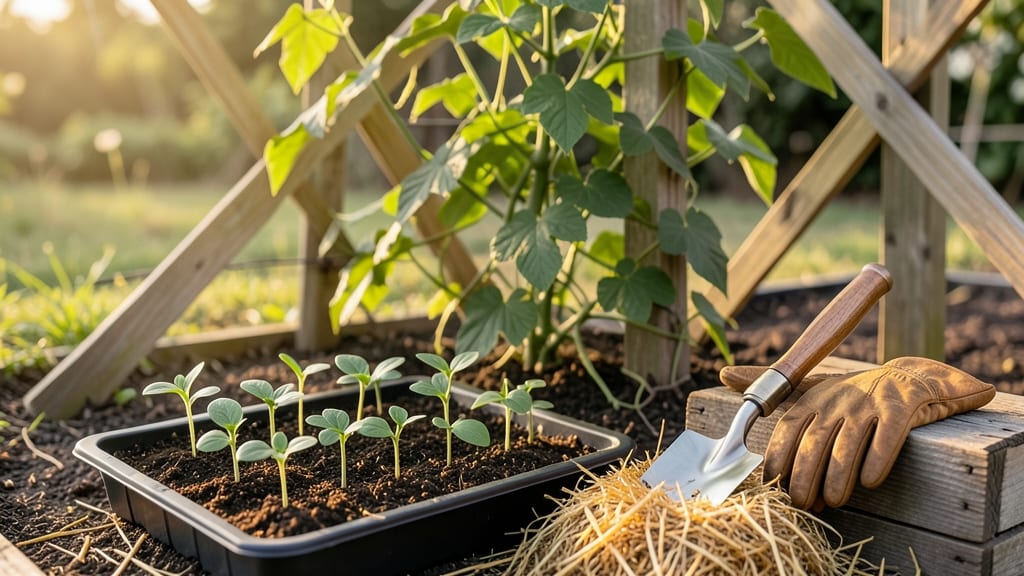
Timing your bean planting in Seattle isn't just about following a calendar—it's about outsmarting the unpredictable Pacific Northwest weather that can turn a great harvest into a gamble.
With Zone 8a's last frost typically around mid-May, planting too early risks frost damage, while waiting too long might mean missing the sweet spot for flavorful pods. The key is knowing exactly when to get those seeds in the ground for maximum success.
I've grown beans in Seattle for years, and the difference between a thriving garden and a disappointing one often comes down to one week of perfect timing.
Whether you're a first-time gardener or a seasoned green thumb, understanding when to plant—plus how to adjust for Seattle's microclimates—can mean the difference between 3-foot-tall plants and stunted growth. Let's break down the science behind the perfect planting window.
Most gardeners in Seattle plant beans between mid-April and early June for spring harvests, but that's just the starting point. The real magic happens when you factor in soil temperature, variety types (bush vs. pole), and even your neighborhood's unique weather patterns.
For example, West Seattle's consistent rain requires different prep than the drier Eastside, where heat can accelerate growth. I'll show you how to read the signs and make adjustments that keep your beans thriving.
Ready to grow beans that produce pods from late June to October? We'll cover everything from soil prep to avoiding common mistakes that ruin harvests—so you can enjoy fresh, homegrown beans all season long. Let's get started.
Seattle bean planting calendar by exact week (2024 frost-free dates)
Seattle’s USDA Zone 8a gives you a 165-day frost-free window, but timing matters—plant beans too early and risk late frosts (common until May 15), too late and miss the peak summer harvest. Here’s your exact weekly guide to maximize yields.
For spring planting, aim for mid-April to early June when soil temps hit 60°F+. Fall planting works late July to early August for a September-October harvest before the first frost (October 15).
Pole beans need more warmth (plant 2 weeks later than bush varieties), while bush beans tolerate cooler soils and can start 1-2 weeks earlier. Always check soil temperature with a probe—beans won’t germinate below 60°F.
🌱
| Planting Window | Variety | Soil Temp | Action |
|---|---|---|---|
| Mid-April | Bush Beans | 55-60°F | Start seeds indoors |
| Late April | Bush Beans | 60°F+ | Direct sow outdoors |
| Early May | Pole Beans | 60°F+ | Direct sow outdoors |
| Mid-May | Both | 65°F+ | Peak planting time |
| Late July | Bush Beans | 60°F+ | Fall planting start |
| Early August | Pole Beans | 65°F+ | Last chance for fall |
Use black beans or pinto beans for cooler spring soils—they germinate faster than green beans. For pole beans, choose Kentucky Wonder or Rattlesnake varieties, which thrive in Seattle’s summer heat.
Extend your season by planting successive crops every 2 weeks until July 15. This ensures a continuous harvest from late June to October, even if early plantings fail due to unpredictable Seattle rains.
Always test your soil—Seattle’s acidic clay soil (pH 6.0-6.5) is perfect for beans. If your soil is too wet, amend with compost or plant in raised beds to prevent root rot.
🌿
Pro tip: Mark your last frost date on your calendar—Seattle’s can vary ±10 days yearly. Use row covers if planting early April to protect tender seedlings from late frosts.
How to adjust planting for Seattle’s microclimates (rainy west vs. dry east)
Seattle’s varied neighborhoods create distinct microclimates that can shift your bean planting by weeks. The rainy West Side stays cooler and wetter longer, while the Eastside’s drier heat warms up faster—both affect your frost-free timeline. Understanding these zones helps you time plantings precisely for maximum yield.
For West Seattle (Ballard, West Shore), aim to plant 2-3 weeks later than the city average. The consistent coastal moisture delays soil warming, so wait until late May for bush beans or early June for pole varieties. Use row covers if planting earlier to protect against lingering chills.
On the Eastside (Bellevue, Kirkland), you can plant 3 weeks earlier—often by mid-April—because the hotter, drier microclimate warms soil faster. However, watch for sudden heatwaves that can stress young seedlings; provide shade cloth if temperatures exceed 85°F.
🌱 Seattle Microclimate Planting Guide
✅ Plant: Late May–early June
🌡️ Soil temp: 60°F+
💧 Water: Daily in spring
✅ Plant: Mid-April–May
🌡️ Soil temp: 55°F+
☀️ Sun: Full sun + shade cloth
✅ Plant: Early May–June
🌬️ Wind: Stake pole beans
🌧️ Rain: Raise beds for drainage
Extend your harvest window by planting successive crops every 2 weeks in May and June. For the West Side, try a late-July sowing of heat-tolerant varieties like ‘Blue Lake’ or ‘Kentucky Wonder’—these mature faster in cooler temps.
On the Eastside, a fall planting in early August can yield beans until October.
Use mulch heavily in rainy zones to prevent soil compaction and fungal diseases. On the Eastside, drip irrigation is key to avoid stress from sudden dry spells. Both strategies protect your investment against Seattle’s unpredictable swings.
Pro tip: Test your soil’s drainage before planting—Seattle’s clay-heavy soil can drown roots. Amend with compost or perlite if water pools after 24 hours. A well-draining bed ensures consistent growth, even in our wet springs.