
Plants
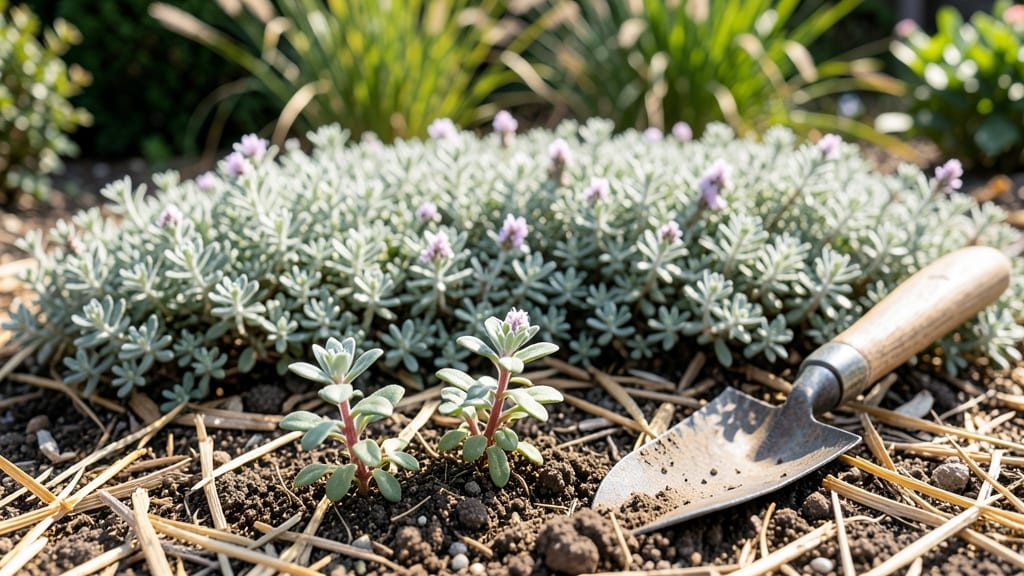
Timing your creeping thyme 🌿 planting in Colorado isn't just about checking a calendar—it's about understanding how elevation, frost dates, and microclimates shape your garden's success.
Whether you're in the Front Range or the mountains, planting too early or too late can mean the difference between a thriving ground cover and a frost-killed disappointment.
Most Colorado gardeners know the basics: early spring or fall are ideal windows. But what you might not realize is that Zone 5 areas (like the mountains) have a shorter frost-free window than Zone 7 (Front Range cities).
That's why waiting until soil temperatures hit 50°F—not just the last frost date—is the real game-changer for creeping thyme.
In this guide, I'll break down exactly when to plant by elevation, including how to adjust for Colorado's unpredictable spring weather. You'll also discover how container planting can extend your growing season and which thyme varieties handle our high-altitude conditions best.
Ready to transform your garden into a fragrant, low-maintenance carpet? Let's get started with the timing that works for your specific corner of Colorado.
Creeping thyme planting dates by Colorado elevation zones
Colorado’s dramatic elevation shifts—from the High Plains to the Rocky Mountains—mean creeping thyme’s planting window varies wildly. At 5,000 feet in Denver, your last frost might be April 15, while at 9,000 feet in Summit County, snow could linger until May 15.
These differences aren’t just academic; they determine whether your thyme thrives or freezes.
To simplify, I’ve broken down planting windows by three key elevation zones: Front Range (5,000–7,000 ft), Mountain West (7,000–9,000 ft), and High Plains (3,500–5,000 ft). Each zone has distinct USDA hardiness zones (5–8) and frost-free periods that dictate when to plant.
For accurate local timing, check Colorado State University’s Almanac frost dates—but use these as a baseline. Your microclimate (e.g., urban heat islands vs. high-altitude valleys) can shift dates by 2–4 weeks. For example, Boulder’s urban areas may warm up faster than rural Weld County.
| Elevation Zone | USDA Zone | Avg. Last Frost | Ideal Planting Window | Soil Temp. Threshold |
|---|---|---|---|---|
| High Plains (3,500–5,000 ft) | Zone 6–7 | March 15–April 1 | March 20–April 15 (spring) or September 1–15 (fall) | 50°F+ |
| Front Range (5,000–7,000 ft) | Zone 5–6 | April 1–15 | April 15–May 1 (spring) or August 15–September 15 (fall) | 50°F+ |
| Mountain West (7,000–9,000 ft) | Zone 4–5 | May 1–15 | May 15–June 1 (spring) or July 15–August 15 (fall) | 55°F+ |
🌡️ Pro Tip: Use a soil thermometer to confirm readiness—creeping thyme roots need consistent warmth to establish.
Spring planting is ideal because thyme’s slow-growing roots benefit from cool soil and long daylight to establish before summer’s heat. However, fall planting (6–8 weeks before first frost) works too—just ensure seedlings have 4–6 weeks to root before winter.
In Zone 5 (e.g., Fort Collins), this means planting by September 15.
If you’re in a high-altitude zone (e.g., Aspen or Leadville), consider starting thyme indoors in March and transplanting after May 15. Container-grown thyme adapts faster to cold soils than bare-root plants. For rocky slopes, plant in late May to avoid late-spring frosts.
Colorado’s diurnal temperature swings (hot days, cold nights) can stress young thyme. To mitigate this, mulch heavily with gravel or straw to regulate soil temps. In windy areas (e.g., Eagle County), use windbreaks or plant near boulders to protect seedlings.
For container gardening, plant anytime the soil stays above 50°F—containers warm up faster than ground soil. Just move pots to a sheltered spot if night temps dip below 40°F. In Denver’s urban heat islands, you might plant 2 weeks earlier than rural areas.
Remember: creeping thyme’s drought tolerance is a double-edged sword. While it survives dry spells, young plants need consistent moisture for the first 30–45 days post-planting. Water deeply 2–3 times per week until roots establish, then taper to weekly once mature.
Timing isn’t just about dates—it’s about reading your landscape. Watch for wildflowers blo
Creeping thyme planting dates by Colorado elevation zones
Colorado’s elevation variations mean your creeping thyme’s planting window can shift by weeks—or even months—depending on where you live. The Front Range (5,000–7,000 ft), Mountain West (7,000–9,000 ft), and High Plains (3,500–5,000 ft) all have unique frost-free periods.
For example, Denver’s last frost typically lands around April 15, while Aspen’s can linger until May 15.
Creeping thyme thrives in USDA Zones 5–8, but Colorado’s microclimates complicate timing. High-altitude gardens often need 2–4 weeks later than lower elevations. Always check your local last frost date from the Colorado State University Extension for precision.
| Elevation Zone | USDA Zone | Last Frost Date | First Planting Window | Fall Planting Window |
|---|---|---|---|---|
| High Plains (3,500–5,000 ft) | Zone 6–7 | March 20–April 1 | April 15–May 1 | September 15–October 15 |
| Front Range (5,000–7,000 ft) | Zone 5–6 | April 1–April 15 | May 1–May 15 | September 1–September 15 |
| Mountain West (7,000–9,000 ft) | Zone 4–5 | May 1–May 15 | May 30–June 15 | August 15–September 1 |
Spring planting gives creeping thyme 6–8 weeks to establish roots before summer heat arrives. Aim for soil temperatures above 50°F—use a soil thermometer to confirm. For high-altitude gardens, consider starting seeds indoors in March for a head start.
Fall planting is ideal for Colorado’s dry climates—it allows roots to settle before winter. Plant 6–8 weeks before your first frost to ensure establishment. In Zone 5, this means late August to mid-September; in Zone 7, extend to early October.
Container planting offers flexibility. You can start thyme indoors in February and transplant after the last frost, even if your outdoor soil is still cold. Just ensure containers have drainage holes to prevent root rot in Colorado’s variable spring rains.
Pro tip: Use mulch after planting to retain moisture and regulate soil temperature. A 2–3 inch layer of straw or pine needles works well in Colorado’s dry, windy conditions. 🌱