
Plants
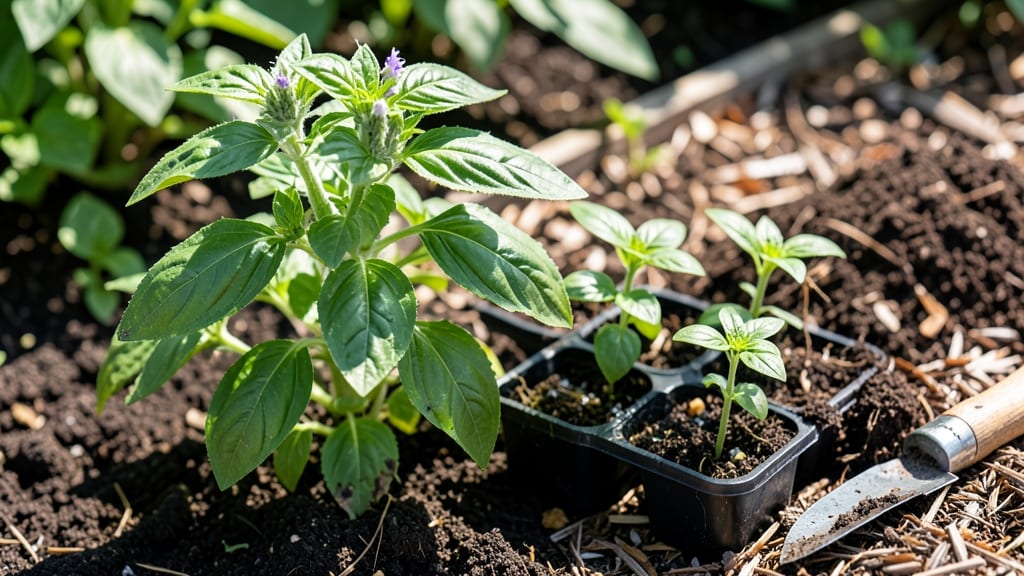
Timing your basil planting in Virginia can make the difference between a thriving 🌿 herb garden and a sad, struggling plant. The key is waiting until after the last frost—typically mid-April in most of the state—but there’s more to it than just the calendar.
Basil loves warmth, and planting too early when soil temperatures dip below 50°F can stunt its growth or even kill it. In Virginia’s 6a-8a zones, that means holding off until late April or early May, when both air and soil have warmed up.
But don’t wait too long—once summer hits, you’ll want those plants established for a harvest starting in June.
Whether you’re starting seeds indoors or planting directly outside, knowing the exact window matters. I’ll break down the best weeks before your last frost date, how to adjust for Virginia’s microclimates, and even how to extend your basil’s growing season so you can enjoy fresh leaves well into October.
Ready to grow basil that’s lush, flavorful, and ready for your kitchen? Let’s dive into the perfect planting schedule for your Virginia garden.
Virginia’s last frost dates and ideal basil planting windows
Timing your basil planting in Virginia is all about avoiding frost damage while giving your plants enough warm weather to thrive.
The last spring frost dates vary dramatically across Virginia’s USDA zones 6a-8a, so knowing your specific region ensures you plant at the perfect moment for 60-90 days of harvestable growth before fall frosts arrive.
Most Virginia gardeners should aim to plant basil 4-6 weeks before the last frost, but this window shifts from early March in Zone 8a (southeastern Virginia) to mid-May in Zone 6a (mountain regions).
For container-grown basil, you can push planting 2 weeks later since pots warm up faster in spring.
Here’s the key: Soil temperature matters more than air temperature. Basil seeds won’t germinate well below 50°F, and seedlings will struggle in cold soil. Use a soil thermometer to confirm readiness—this is especially critical for direct-sown seeds, which need consistent warmth to sprout.
If you’re starting basil indoors (recommended for early harvests), begin seeds 6-8 weeks before your last frost date. This gives seedlings enough time to grow 4-6 inches tall before transplanting outdoors after all danger of frost has passed.
For example, in Zone 7a (central Virginia), that means starting seeds in early February for outdoor planting by mid-April.
🌱 Virginia Basil Planting Timeline by Region
| Region | USDA Zone | Last Frost Date | Ideal Planting Window | Harvest Period |
|---|---|---|---|---|
| Southeast (Norfolk, Richmond) | 8a | March 15 | March 1 - April 15 | May - October |
| Central (Charlottesville, Lynchburg) | 7a | April 1 | March 15 - April 30 | June - October |
| Northwest (Roanoke, Blacksburg) | 6b | April 15 | April 1 - May 1 | July - September |
| Mountains (Bristol, Abingdon) | 6a | May 1 | May 1 - June 1 | August - September |
💡 Pro Tip: Use row covers to extend your harvest window by 2-3 weeks in cooler regions.
For gardeners in Zone 8a, you can even try two plantings: one in early spring and another in late July for a fall harvest. The second planting benefits from longer daylight hours in late summer, which basil loves.
Just be sure to use shade cloth if temperatures exceed 90°F to prevent leaf scorch.
One common mistake is planting too early and having seedlings bolt prematurely (flower and go to seed). To avoid this, wait until nighttime temperatures stay above 55°F consistently.
You can check local frost-free date averages from the Virginia State Climate Office or use a frost calendar app for real-time updates.
If you’re unsure about your exact last frost date, err on the side of planting later. Basil grows quickly—just 30-45 days from seed to harvest—and a slightly delayed start is better than frost-killed seedlings.
For container gardeners, this flexibility is even greater since pots warm up faster and can be moved to protected microclimates
How to adjust basil planting for Virginia’s microclimates and soil conditions
Virginia’s diverse geography—from the coastal plains to the Appalachian Mountains—means microclimates can shift your basil planting schedule by weeks. Coastal areas like Norfolk often see last frosts in early March, while higher elevations in the Shenandoah Valley may wait until late April.
Always check your local USDA zone (6a-8a) and historical frost data to avoid cold snaps that stunt growth.
Soil temperature is just as critical as air temperature. Basil thrives when soil reaches at least 50°F, but sandy coastal soils warm faster than clay-heavy Piedmont soils. Use a soil thermometer to confirm readiness—planting too early in cold soil leads to rotten roots and poor germination.
For coastal Virginia, start seeds indoors by late February and transplant after March 15. In the Piedmont region, wait until April 1 for direct sowing or transplant seedlings after April 15. Mountain areas should delay until mid-April to avoid late frosts.
Warning: Cold Soil Kills Basil
Basil seeds and seedlings will not survive in soil below 50°F. Even if daytime temps feel warm, nighttime soil temps can drop dangerously low. Use black plastic mulch or row covers to warm soil faster in cooler microclimates.
Choose basil varieties suited to your microclimate. Genovese basil handles Virginia’s heat well but bolts quickly in short summers (like coastal areas). Thai basil thrives in hotter Piedmont summers, while Purple basil tolerates slight frost better—ideal for mountain gardens.
Always opt for disease-resistant strains like 'Spicy Globe' to combat Virginia’s humid summers.
Amend heavy clay soils with compost or sand to improve drainage, and add aged manure for nutrients. Coastal sandy soils benefit from organic matter like coconut coir to retain moisture. Test your soil’s pH (6.0-7.0)—basil prefers slightly acidic conditions, and Virginia’s native soils often lean alkaline.
Extend your harvest by planting successive batches every 2-3 weeks after your first planting. In Zone 7a-8a (common in Richmond and Norfolk), you can even squeeze in a fall crop by sowing seeds in early September for a late-October harvest before frost.
Just protect seedlings with frost blankets if temps dip below 40°F.
Monitor your plants for pests like spider mites (common in Virginia’s dry heat) and disease signs like yellowing leaves (often from overwatering). Prune regularly to encourage bushier growth and prevent bolting, which cuts harvest time short.
With these adjustments, your basil will flourish from coastal beaches to mountain valleys!