
Plants
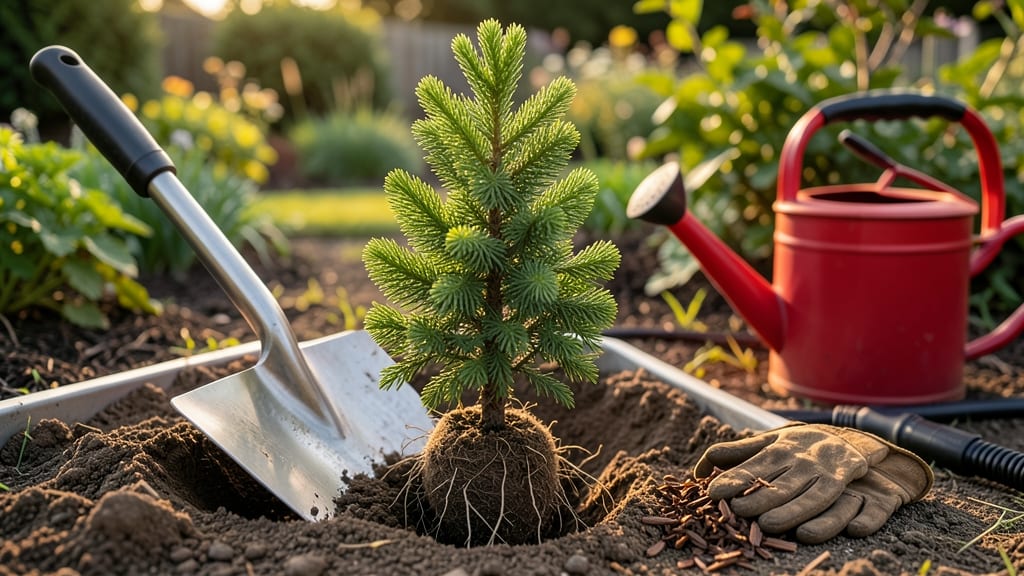
If you're wondering when to plant arborvitae in Michigan, timing is everything for these hardy evergreens to thrive in your yard. Michigan’s 5b-6b zones offer a short but critical window—plant too early, and frost can damage young roots, while waiting too long risks weak establishment before winter.
The best months for planting 🌲 arborvitae in Michigan are early spring (March-April) and early fall (September), when soil is workable but not frozen. Spring planting gives roots time to settle before summer heat, while fall allows them to establish before winter dormancy kicks in.
Local climate quirks matter—northern Michigan’s cooler zones (like Traverse City) may need to wait until after April 15, while southern areas (Detroit) can start as early as March. We’ll break down exactly how to time it right for your specific region.
Whether you’re a first-time gardener or a seasoned landscaper, getting this step right means your arborvitae will grow strong and healthy for years. Let’s dive into the ideal planting schedule tailored to Michigan’s unique conditions.
Michigan arborvitae planting zones: best months by hardiness zone
Michigan spans USDA hardiness zones 4-6, creating unique challenges for planting arborvitae. In northern Michigan (zone 4), frost dates are later, while southern regions (zone 6) enjoy earlier springs. Understanding these differences helps you choose the perfect planting window for your location.
For most of Michigan, early spring (March-April) is the ideal time to plant arborvitae. This gives roots time to establish before summer heat arrives. However, fall planting (September) works well in southern Michigan where first frosts arrive later.
Northern Michigan gardeners should wait until after the last frost date (typically mid-April) to avoid frost damage. Southern Michigan can plant as early as late February to early March in protected microclimates.
| Region | USDA Zone | Best Planting Window | Last Frost Date | First Frost Date |
|---|---|---|---|---|
| Northern Michigan (Traverse City) | 4b-5a | Late April - Early May | May 10 | October 1 |
| Central Michigan (Lansing) | 5b-6a | Early April - Mid-May | April 15 | October 10 |
| Southern Michigan (Detroit) | 6a-6b | Late March - Early April | April 1 | October 20 |
Michigan's Great Lakes influence creates microclimates. Areas near lakes experience milder winters, allowing earlier planting. For example, Grand Rapids (zone 5b) can plant 2 weeks earlier than inland areas at similar latitudes.
Always check your local frost-free date using the Michigan State University Extension frost maps. These provide precise planting windows tailored to your specific ZIP code.
For container-grown arborvitae, you can plant 1-2 weeks earlier than bare-root varieties. Their established root systems handle cooler soils better, giving you a slight advantage in Michigan's short growing season.
Consider arborvitae varieties with different cold hardiness. 'Emerald Green' handles zone 4 well, while 'American Arborvitae' thrives in zone 5-6. Match your variety to your specific Michigan zone for best results.
After planting, protect young trees with burlap wraps during winter. This prevents winter burn from drying winds, a common issue in Michigan's open landscapes.
Remember that soil temperature matters more than air temperature. Wait until soil reaches 50°F (10°C) before planting. Use a soil thermometer to check—this often occurs 2-3 weeks after the last air frost.
Michigan's short growing season means timing is critical. Plant too late, and your arborvitae won't establish roots before winter. With proper timing, you'll have a healthy evergreen that thrives for decades in your Michigan landscape. 🌲
Michigan arborvitae planting zones: best months by hardiness zone
Michigan spans USDA hardiness zones 4-6, creating distinct planting windows for arborvitae. In northern Michigan (zones 4-5), like Traverse City, aim for early spring planting (April-May) after the last frost. Southern regions, including Detroit and Grand Rapids (zones 5b-6a), offer a wider window (March-April or September-October).
Arborvitae thrive when planted during cool but frost-free periods. Spring planting (before bud break) gives roots time to establish before summer heat. Fall planting (6-8 weeks before first frost) works too, but avoid late fall—young trees need time to harden off before winter.
Here’s how Michigan’s frost-free dates impact planting:
| Region | USDA Zone | Best Planting Window | Frost-Free Dates |
|---|---|---|---|
| Northern Michigan (Traverse City) | 4b-5a | April 15–May 15 | Last frost: May 10; First frost: Oct 1 |
| Central Michigan (Lansing) | 5b-6a | March 20–April 30 or Sept 1–Oct 15 | Last frost: April 20; First frost: Oct 10 |
| Southern Michigan (Detroit) | 6a-6b | March 1–April 15 or Sept 15–Oct 30 | Last frost: April 10; First frost: Oct 15 |
For container-grown arborvitae, you can plant slightly earlier (February-March) in southern Michigan, as their roots won’t freeze as easily. Bare-root trees, however, need to wait until soil thaws—typically mid-April or later in colder zones.
Pro tip: Check local Almanac frost dates each year—Michigan’s climate shifts! Planting too early risks frost damage, while late planting may leave roots vulnerable to winter desiccation.
Always amend clay-heavy Michigan soils with compost to improve drainage. Arborvitae hate soggy roots, especially in low-lying areas where cold air settles.
🌲