
Plants
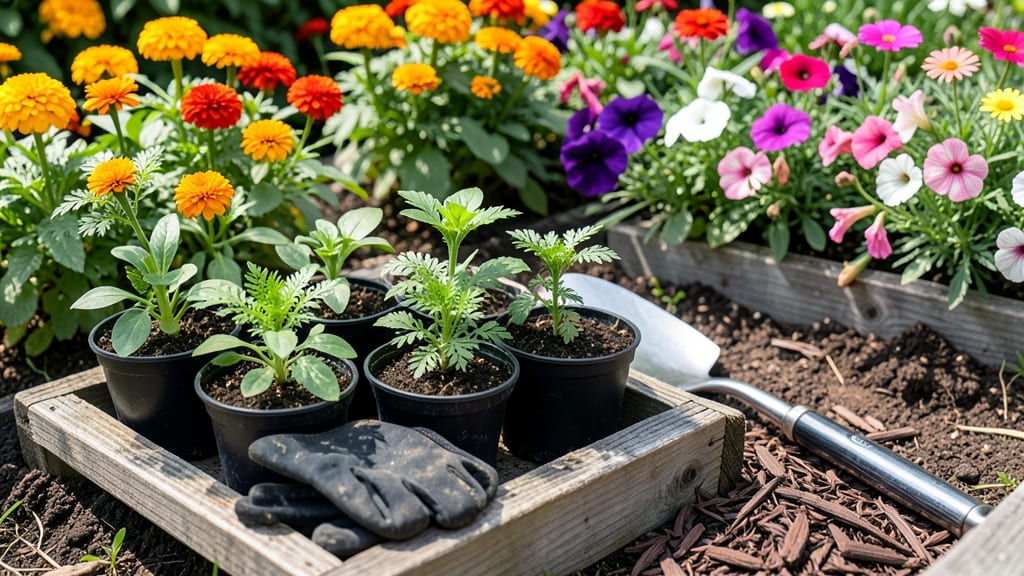
Knowing when to plant annuals in Zone 6 can mean the difference between a vibrant garden and a season of disappointment. The 165 frost-free days in Zone 6a-6b give you two prime windows—spring and fall—but timing is critical.
Plant too early, and frost will nip delicate seedlings; too late, and summer heat arrives before your annuals take off.
This isn’t just about throwing seeds in the dirt and hoping for the best. The key is understanding your last frost date (usually around April 15) and first frost (around October 15).
Cool-season annuals like pansies and snapdragons can handle early spring, while heat-lovers like zinnias and marigolds need to wait until soil warms to at least 60°F.
What if you want a garden that blooms from spring to fall? The answer is staggered planting. By spacing out your sowing, you’ll enjoy continuous color without gaps.
I’ll show you exactly how to map out your planting schedule, whether you’re a beginner or a seasoned gardener looking to refine your approach.
Ready to transform your garden into a year-round showstopper? Let’s dive into the timelines, tricks, and tools that will help your annuals thrive—no guesswork required.
Zone 6 annual planting timeline by frost dates
Mastering the Zone 6 planting timeline means aligning your garden with nature’s calendar. The average last frost date in Zone 6 is around April 15, while the first frost typically arrives by October 15.
These dates create two critical windows: spring and fall. Planting too early risks frost damage, while waiting too late can leave your garden sparse during peak bloom seasons.
Your soil temperature is just as critical as frost dates. Most annuals thrive when soil reaches 60°F (15°C). In Zone 6, this usually happens by late April or early May.
Use a soil thermometer to confirm—cold soil can stunt growth or prevent germination entirely. For cool-season annuals, you can plant earlier, even when soil is cooler.
Understanding these microclimates in Zone 6 is key. Urban areas may warm faster than rural spots, while south-facing beds get sun earlier. Adjust your planting by 1-2 weeks based on your specific location’s history. Local nurseries or Cooperative Extension offices often provide precise frost date data for your county.
Here’s how to break down your annual planting schedule into actionable steps:
| Season | Planting Window | Soil Temp | Key Annuals | Action |
|---|---|---|---|---|
| Early Spring | March 15 - April 15 | 40-50°F (4-10°C) | Pansies, Snapdragons, Lettuce | Start seeds indoors or plant hardened-off seedlings |
| Late Spring | April 15 - May 15 | 60°F+ (15°C+) | Marigolds, Zinnias, Basil | Direct sow after last frost; transplant seedlings |
| Summer | June 1 - July 15 | 70°F+ (21°C+) | Sunflowers, Cosmos, Okra | Sow heat-loving annuals; succession plant |
| Early Fall | July 15 - August 15 | 60°F+ (15°C+) | Cosmos, Nasturtiums, Kale | Plant for late-season color; extend harvests |
| Late Fall | August 15 - September 15 | 50-60°F (10-15°C) | Pansies, Sweet Alyssum, Spinach | Plant 4-6 weeks before first frost for winter interest |
For spring planting, focus on cool-season annuals like pansies and snapdragons. These can handle light frosts and even bloom in cooler weather. Start seeds indoors in early March, then transplant outdoors after your last frost date. Use row covers if late frosts linger to protect tender seedlings.
When summer arrives, shift to heat-loving annuals such as zinnias and marigolds. These thrive in Zone 6’s hot months but need consistent moisture. Plant them after soil warms to at least 65°F (18°C), usually by late May. Succession planting—sowing new seeds every 2-3 weeks—ensures continuous blooms until frost.
Fall planting in Zone 6 is all about extending your season. Choose frost-tolerant annuals like nasturtiums or kale and plant them 4-6 weeks before your first frost.
This gives them time to establish roots and produce before winter sets in. Mulch heavily to insulate roots and protect against early cold snaps.
Don’t forget about succession planting—this technique keeps your garden vibrant all season. For example, sow bush beans every 2 weeks from May through July. By the time the first batch matures, new seedlings are ready to take their place.
This method maximizes your harvest and ensures a steady supply of fresh produce or flowers.
Finally, keep a gardening journal to track your planting dates and outcomes. Note which annuals thrive in your specific microclimate and adjust future schedules accordingly. Over time, you’ll fine-tune your Zone 6 planting timeline to create a garden that bursts with color and productivity year after year.
Cold-hardy annuals that thrive in Zone 6’s early spring
Zone 6’s early spring offers a perfect window for planting cold-hardy annuals that can handle light frosts and even bloom before summer arrives.
These resilient plants like pansies, snapdragons, and sweet peas not only survive but often thrive in cooler temperatures, giving you vibrant color from spring through fall.
To maximize their potential, start sowing seeds or transplanting seedlings 4-6 weeks before your last frost date—typically between March 15 and April 15 in Zone 6. This timing ensures they establish roots before the ground warms too much, preventing bolting or leggy growth.
For example, sweet peas need a long, cool season to mature, so early planting is key.
🌱 Top 10 Cold-Hardy Annuals for Zone 6
- Pansies – March-April | Full sun to partial shade | Blooms until frost
- Sweet Peas – March-April | Partial shade | Fragrant climbers
- Snapdragons – April-May | Full sun | Vertical interest
- Calendula – March-April | Full sun | Edible petals
- Lobelia – April-May | Partial shade | Trailing blooms
- Stock (Matthiola) – March-April | Full sun | Sweet fragrance
- Alyssum – March-April | Full sun | Honeybee magnet
- Violas – March-April | Partial shade | Compact blooms
- Dianthus – April-May | Full sun | Clove-scented
- Nasturtiums – April-May | Full sun | Edible leaves
Pro Tip: Use row covers or mulch to protect young plants from late frosts.
For continuous blooms, practice succession planting every 2-3 weeks until early June. This ensures you’ll have fresh flowers even as summer heat arrives. For example, sow calendula seeds every 3 weeks to enjoy blooms from spring through fall.
Mulching with straw or shredded leaves helps retain moisture and regulate soil temperature, keeping roots cool.
Extend the season by planting a second round of cold-hardy annuals in late summer (around August 1) for fall color. Choose varieties like pansies or stock, which can often survive light frosts and bloom until the first hard freeze.
Pair them with mums for a stunning autumn display that lasts until November.
One of my favorite tricks is to mix edible annuals like nasturtiums or calendula with ornamental flowers. Not only do they add beauty, but they’re also pollinator magnets and can be used in salads or teas. Just be sure to avoid pesticides—these plants thrive with minimal intervention once established.
Remember, soil temperature is just as critical as air temperature. Wait until the soil warms to at least 50°F (10°C) before planting seeds directly outdoors. Use a soil thermometer to check—this small tool saves you from guesswork and ensures your annuals germinate reliably.