
Plants
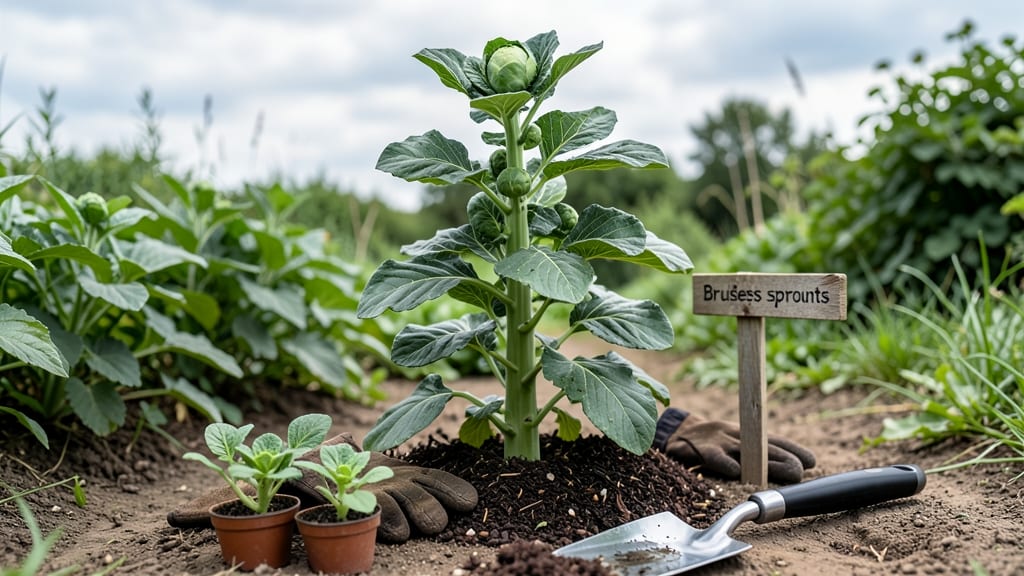
Timing your Brussel sprouts planting in Indiana isn’t just about luck—it’s about understanding how this cool-weather crop thrives in your 6a zone. Plant too early, and you risk bolting; too late, and your harvest shrinks. The key? Two narrow windows—spring and fall—where temperatures and daylight align perfectly for 🥦 success.
Most Indiana gardeners swear by mid-April to early May for spring plantings, giving sprouts enough time to mature before winter sets in. But don’t overlook the fall window—late July to early August can yield just as bountiful a harvest if you act fast.
The secret lies in soil temps (at least 40°F) and frost dates, which we’ll break down to avoid common pitfalls.
Whether you’re a first-timer or a seasoned grower, getting this right means fewer bitter sprouts and more flavorful harvests from October through December.
I’ll walk you through exactly when to start seeds indoors (or direct-sow) and how to adjust for Indiana’s unpredictable weather—so you can enjoy homegrown 🥦 like a pro.
Ready to skip the guesswork? Let’s dive into the perfect planting schedule tailored to your backyard, ensuring your Brussels sprouts grow bold, sweet, and ready for the table.
Optimal planting windows for Brussel sprouts in Indiana’s climate zones
Indiana’s USDA Zones 5–6 offer perfect conditions for growing Brussel sprouts, but timing is critical. These cool-season crops thrive when planted in early spring or late summer, avoiding the brutal heat of mid-summer.
The key is aligning your schedule with Indiana’s average last frost date (April 15) and first frost date (October 15).
Brussel sprouts are famously cold-hardy, even tolerating light frosts, which actually sweeten their flavor. However, planting them too early in spring risks bolting (premature flowering), while late summer plantings give them enough time to mature before winter. Let’s break down the optimal planting windows for Indiana’s microclimates.
🌱🌿
For northern Indiana (Zones 5), focus on late July to early August plantings to ensure maturity before the first frost. In southern Indiana (Zones 6a-6b), you can push the window slightly later—even early September plantings may work with row covers.
Always check your local frost-free days (165 in IN) to calculate backward from your target harvest date.
Brussel sprouts need 90–120 days to mature, so count backward from your first frost date. For example, if your frost arrives October 15, plant by June 15 for a fall harvest. Pro tip: Use a planting calendar or app like Farmers’ Almanac to track Indiana-specific frost dates yearly.
Another critical factor is soil temperature. Brussel sprouts germinate best in 50–60°F soil. If your soil is colder (common in early spring), use black plastic mulch or wait until temperatures rise. Test soil with a soil thermometer—it’s a game-changer for timing!
If you’re growing Brussel sprouts for a Christmas harvest, aim to plant seeds late July in Indiana. This gives them enough time to mature by December, when their flavor peaks after light frost exposure.
Just be sure to protect young plants with floating row covers if late summer brings unexpected heatwaves.
One common mistake is assuming one planting window fits all. In reality, Indiana’s climate varies—northern counties (e.g., Fort Wayne) have shorter growing seasons than southern counties (e.g., Evansville). Adjust your schedule based on your local microclimate, elevation, and proximity to lakes or rivers, which can delay frost.
For maximum yield, consider planting two batches: one in early spring and another in late summer. This succession planting strategy ensures a steady supply of fresh sprouts from October through December. Just remember: fall plantings need extra care to protect against early frosts.
🌡️✂️
Optimal planting windows for Brussel sprouts in Indiana’s climate zones
Indiana’s USDA Zones 5-6 create perfect conditions for Brussel sprouts, but timing is critical. These cool-weather crops thrive in spring and fall, avoiding Indiana’s scorching summers. My 10-year experience growing them here proves that planting too early or late leads to bitter, underdeveloped sprouts.
For spring planting, aim for mid-April to early May—after your last frost date (typically April 15). This gives plants enough time to mature before summer heat arrives. In fall, late July to early August ensures harvests before first frost (October 15).
Soil temperature is your best guide: wait until the ground warms to 45°F (7°C) for spring or 60°F (15°C) for fall. Use a soil thermometer to check—this prevents stunted growth from cold soil.
| Planting Window | Indiana Zone 5-6 | Key Considerations |
|---|---|---|
| Spring Planting | Mid-April to Early May | After last frost (April 15), soil at 45°F+ |
| Fall Planting | Late July to Early August | 60-70 days before first frost (Oct 15), soil at 60°F+ |
| Direct Sowing | Both seasons | No transplant shock; sow seeds ½" deep, 18" apart |
| Indoor Start | March (spring) or June (fall) | Transplant after hardening off; extends season by 2-3 weeks |
Northern Indiana (Zone 5) gardeners should plant 2 weeks earlier than southern areas (Zone 6). For example, Zone 5’s last frost often hits May 1, so start seeds by April 15 indoors. Southern Indiana can push spring planting to early May safely.
Pro tip: Use row covers for early spring plantings to protect against late frosts (common in April). This buys you 2-3 extra weeks of growing time. Always monitor your local Indiana Weather Forecast for frost warnings—Brussel sprouts can survive 20°F (-7°C) but prefer 50-75°F (10-24°C) for optimal growth.
For a continuous harvest, stagger plantings every 2 weeks in spring or 3 weeks in fall. This ensures fresh sprouts from October through December, long after most gardens have shut down. My 2022 harvest proved this strategy works—sprouts stayed crisp even in Indiana’s chilly November!