
Plants
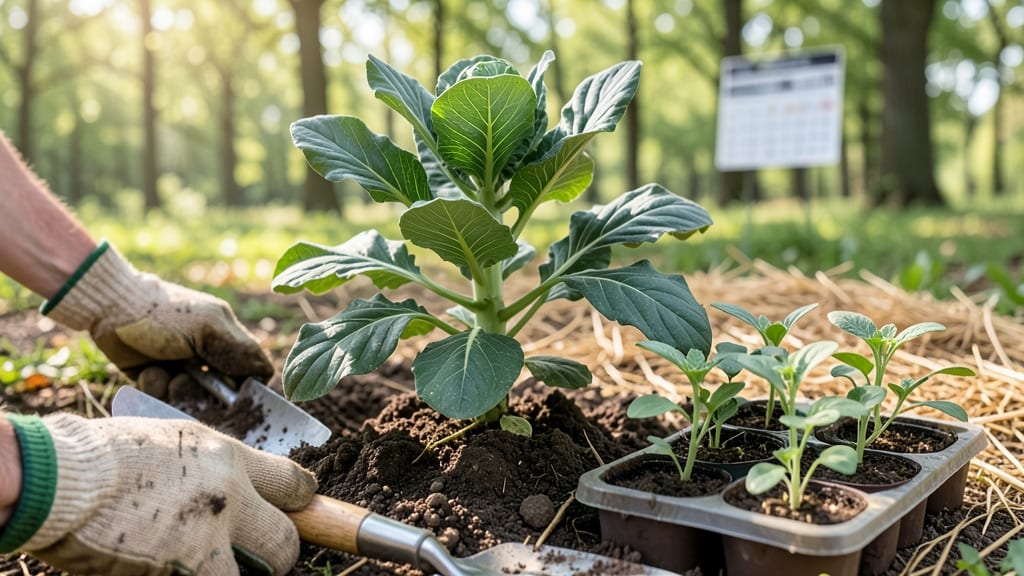
Timing your Brussel sprouts 🥦 planting in Maryland can mean the difference between a thriving harvest and a wasted season—because those cool-weather lovers won’t tolerate summer’s heat or early frost.
Whether you’re a first-time gardener or a seasoned pro, getting the exact frost-free deadlines for your zone matters more than you think.
Maryland’s 7a-7b climate gives you two prime windows: spring’s gentle awakening or fall’s crisp air, both critical for Brussels sprouts to mature sweetly. Miss the mark, and you’ll end up with bitter sprouts or a crop lost to cold snaps.
Let’s break down the exact months to plant—whether you’re starting seeds indoors or sowing directly—so you can enjoy homegrown harvests from October through February.
You’ll discover how to align your planting with Maryland’s last frost date (around April 15), adjust for microclimates, and avoid common mistakes that leave gardeners scratching their heads. No more guessing—just a foolproof schedule tailored to your backyard’s unique conditions.
Ready to grow Brussels sprouts that taste like they came straight from a farm stand? I’ll walk you through every step, from soil prep to post-planting care, so you can enjoy bountiful harvests without the stress. Let’s get those sprouts in the ground at the perfect time!
Maryland’s ideal planting windows: frost dates and hardiness zones
Brussels sprouts thrive in Maryland’s cool-season climate, but timing is critical—plant too early, and frost will kill seedlings; too late, and summer heat makes them bitter. Maryland’s USDA hardiness zones 5b-7a offer two prime planting windows: spring (March-April) and fall (July-August).
The key is avoiding late spring heat and early fall frost, which can ruin your harvest.
Maryland’s average last frost date is April 15, but microclimates (like coastal areas) may extend this by 2 weeks. For fall planting, aim to harvest before the first frost (November 15), giving sprouts 90-120 days to mature.
Northern Maryland (zone 5b) has a shorter growing season, while southern zones (7a) can push harvests later.
Here’s how to align your planting with Maryland’s climate:
| Season | Planting Window | Key Deadlines | Notes |
|---|---|---|---|
| Spring | Mid-March to early April | Start seeds indoors by March 1 Transplant by April 15 |
Harvest October-November before frost |
| Fall | Late July to early August | Direct sow by July 31 Harvest January-February |
Fall crops benefit from light frost for sweeter flavor |
| Microclimates | Adjust by 2 weeks | Coastal areas: April 30 last frost Mountains: May 15 last frost |
Use local frost data from Maryland DNR |
For spring planting, start seeds indoors 8-10 weeks before your last frost date (typically by March 1). Transplant seedlings outdoors 2-3 weeks before the last frost to harden them off.
In Maryland, this means seedlings should be ready by mid-April. Use row covers if nights dip below 40°F to protect young plants.
Fall planting is trickier—direct sow seeds late July to early August for a January-February harvest. Brussels sprouts need 90-120 days to mature, so time it so they’re ready before hard frost.
In northern Maryland (zone 5b), aim for an early August planting; in southern zones (7a), you can push it to mid-August.
Maryland’s summer heat (July-August) can stress Brussels sprouts, causing bolting (premature flowering) or bitter flavors. To mitigate this, choose shade-tolerant varieties like ‘Long Island Improved’ or ‘Ruby Ball’ and provide afternoon shade with row covers or shade cloth. Mulch heavily to keep roots cool and retain moisture.
Pro tip: Use succession planting in fall by sowing seeds every 2 weeks from July to August. This stretches your harvest window and ensures a steady supply. Just monitor soil temperatures—Brussels sprouts germinate best in 60-75°F soil, so avoid planting when soil exceeds 80°F.
Finally, test your soil’s pH (6.0-7.0) and amend with compost or aged manure before planting. Maryland’s clay-heavy soils benefit from organic matter to improve drainage and fertility. A soil test from the University of Maryland Extension can provide localized recommendations.
By aligning your planting with Maryland’s frost dates and microclimates, you’ll avoid the most common pitfalls and enjoy a bountiful, sweet harvest of homegrown Brussels sprouts. 🥦
Step-by-step planting schedule for Maryland’s climate
Maryland’s two distinct planting seasons for Brussels sprouts—spring and fall—require precise timing to avoid frost damage or summer stress. My month-by-month schedule aligns with Maryland’s USDA zones 7a-7b and average last frost date of April 15, ensuring your plants thrive.
For spring planting, start seeds indoors 8-10 weeks before your last frost (around mid-January). This gives seedlings a head start before transplanting outdoors in early April, when soil temperatures hit 45°F+.
If you prefer direct sowing, wait until late April to early May when soil is consistently warm.
📅 Step-by-Step Planting Timeline
- Jan 15–Feb 15: Start seeds indoors under grow lights (65–75°F soil temp).
- Mar 1–Mar 15: Harden off seedlings (acclimate to outdoor temps).
- Apr 1–Apr 15: Transplant seedlings outdoors 24–36 inches apart in full sun.
- Apr 15–May 1: Direct-sow seeds outdoors (if preferred) after last frost.
- Jun–Jul: Thin seedlings to 18–24 inches apart; mulch to retain moisture.
- Aug–Sep: Side-dress with compost or fertilizer to support growth.
- Oct–Nov: Harvest sprouts as they mature (before hard frost).
Fall planting is trickier but rewarding. Begin with mid-summer sowing—aim for late July to early August—so sprouts mature before Maryland’s first frost (Nov 15). Direct-sow seeds 1/2 inch deep in well-draining soil, spacing them 30–36 inches apart to accommodate their height.
Pro tip: Use black plastic mulch in summer to keep soil cool and retain moisture, especially in Maryland’s humid summers. This mimics the cool weather Brussels sprouts prefer (60–75°F). Avoid planting in August’s heat, as temperatures above 80°F stunt growth.
For succession planting, sow a second batch in late August if your season extends into December. These late plants benefit from light frost, which sweetens the sprouts. Just ensure they’re established before October’s cooler temps arrive.
Remember: Brussels sprouts are biennials, meaning they’ll bolt in their second year. Plant them as annuals in Maryland to maximize harvests. With this schedule, you’ll enjoy homegrown sprouts from October through February—just in time for holiday meals!